The Divine Paradox: Embracing Time and Chance
"¶ I returned, and saw under the sun, that the race is not to the swift, nor the battle to the strong, neither yet bread to the wise, nor yet riches to men of understanding, nor yet favour to men of skill; but time and chance happeneth to them all." - Ecclesiastes 9:11
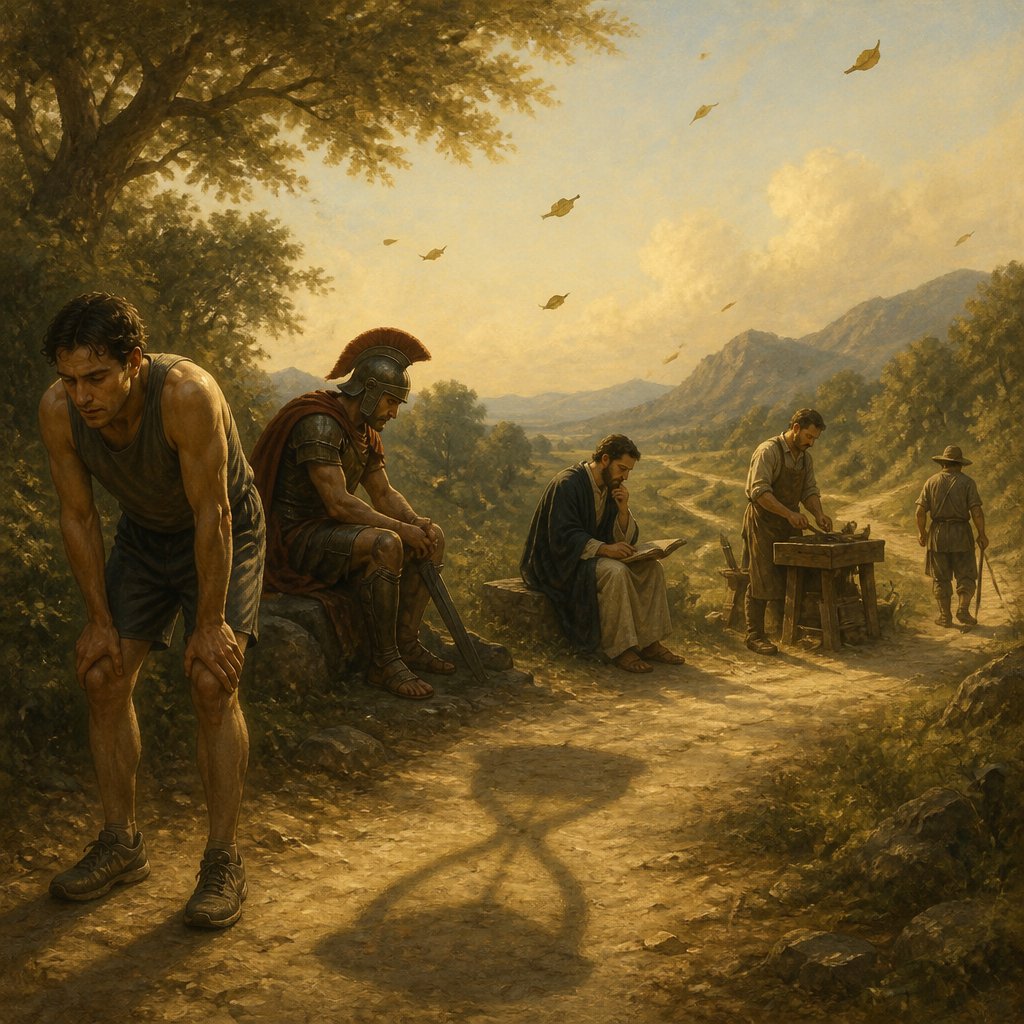
Ecclesiastes 9:11 (KJV) states, "I returned, and saw under the sun, that the race is not to the swift, nor the battle to the strong, neither yet bread to the wise, nor yet riches to men of understanding, nor yet favour to men of skill; but time and chance happeneth to them all." This verse, nestled within the profound reflections of Ecclesiastes, unfurls a striking paradox of life. It challenges our conventional understanding of effort, skill, and success, provoking deep introspection about the intersection of human endeavor and divine sovereignty.
As we journey through life, we often adhere to the notion that determination, intelligence, and physical prowess are the guarantees of achievement. Society consistently reinforces the belief that hard work leads directly to rewards. However, this passage from Ecclesiastes unveils a reality that we must wrestle with: success is not always the sweet fruit of our labor. The wisdom of King Solomon, the author of Ecclesiastes, serves as a sobering reminder that time and chance play pivotal roles in the narratives of our lives.
Imagine the foot racers lined up at the starting line, each poised and ready to sprint towards victory. The crowd holds its breath as the starting gun fires, yet not all who are swift enjoy the glories of the finish line. Likewise, picture the battlefield, where strength is of utmost importance, but not all battles yield the recognition and triumph we anticipate. The reality dictates that regardless of skill, timing, and other unseen factors can dictate the outcome.
This can feel disheartening in our pursuit of success. It begs the question: if not skill and might, what then determines the outcome of life’s various battles? Solomon leads us to a crucial insight—"time and chance happeneth to them all." In this admission lies a profound truth: we are not the sole architects of our destinies. Life is a tapestry woven from the threads of our choices, time, and opportunities. This creates a landscape where divine providence and the unpredictability of life coexist.
Consider the parable of the talents (Matthew 25:14-30), where the master distributes talents according to the abilities of his servants. As the story unfolds, we witness the varied responses of the servants. The one who buried his talent ultimately lost out on the chance to grow, yet even the most industrious servant may not always reap the harvest expected. The intricacies of life mean that two people may apply the same effort, and yet reap different results. This is the dance of time and chance, and it humbles us.
As we reflect upon this, let us engage with the notion of grace. Our attempts are meaningful, yet they are for naught without the grace of God. When we embrace the uncertainties of life, we open our hearts to the beauty of divine sovereignty. Our efforts are essential, but they become meaningful only when we surrender the results to God, trusting that He orchestrates time and chance for our ultimate good.
In our frailties, both strengths and weaknesses, we can find solace and purpose. The acknowledgment of our limited power encourages us not to rely solely on our skills but to seek the One who holds time in His hands. It calls us to cultivate a life that is responsive to divine guidance, steeped in prayer, and engaged in community with others.
Moreover, it cultivates resilience and hope. While the swift may not always finish first, the eventual outcomes of our lives are meanings crafted through experiences, character growth, and divine timing. May we learn to appreciate not just where we stand at the finish line but the entirety of the race itself—the struggles, the joys, and the chance encounters along the way.
Let us surrender our anxiety over achievements and embrace each moment with faith that God is accomplishing His purposes in and through us. The race may not always be won by the swift, but it is surely completed by those who endure in faith, leaning on the promises that our God sees, knows, and writes the story we’re living into.
Want to reflect more on Ecclesiastes 9:11?
Continue your spiritual journey with Bible Chat — an AI-powered tool for exploring God's Word through conversation. Ask questions, discover connections, and deepen your understanding.
Get Our Apps


Ecclesiastes 9:11 Artwork
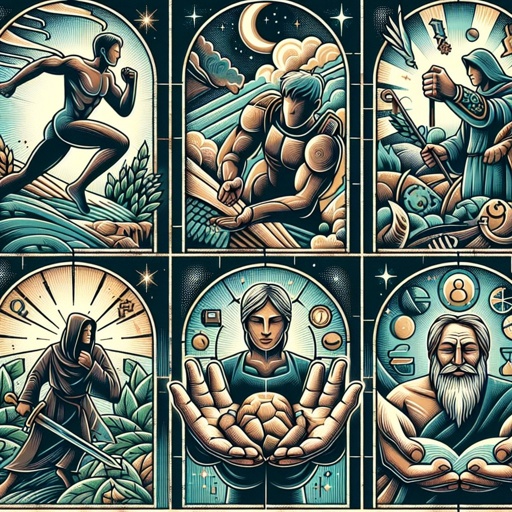
Ecclesiastes 9:11 - "¶ I returned, and saw under the sun, that the race is not to the swift, nor the battle to the strong, neither yet bread to the wise, nor yet riches to men of understanding, nor yet favour to men of skill; but time and chance happeneth to them all."
"¶ I returned, and saw under the sun, that the race is not to the swift, nor the battle to the strong, neither yet bread to the wise, nor yet riches to men of understanding, nor yet favour to men of skill; but time and chance happeneth to them all." - Ecclesiastes 9:11

Ecclesiastes 1:11

Ecclesiastes 11:9 - "¶ Rejoice, O young man, in thy youth; and let thy heart cheer thee in the days of thy youth, and walk in the ways of thine heart, and in the sight of thine eyes: but know thou, that for all these things God will bring thee into judgment."

Ecclesiastes 7:11 - "¶ Wisdom is good with an inheritance: and by it there is profit to them that see the sun."

Ecclesiastes 10:11 - "Surely the serpent will bite without enchantment; and a babbler is no better."

Ecclesiastes 3:9 - "What profit hath he that worketh in that wherein he laboureth?"

Ecclesiastes 7:9 - "Be not hasty in thy spirit to be angry: for anger resteth in the bosom of fools."

Ecclesiastes 11:7 - "¶ Truly the light is sweet, and a pleasant thing it is for the eyes to behold the sun:"

Ecclesiastes 6:11 - "¶ Seeing there be many things that increase vanity, what is man the better?"

Ecclesiastes 5:9 - "¶ Moreover the profit of the earth is for all: the king himself is served by the field."

Ecclesiastes 6:9 - "¶ Better is the sight of the eyes than the wandering of the desire: this is also vanity and vexation of spirit."

Ecclesiastes 4:9 - "¶ Two are better than one; because they have a good reward for their labour."

Ecclesiastes 11:1 - "Cast thy bread upon the waters: for thou shalt find it after many days."

Ecclesiastes 11:4 - "He that observeth the wind shall not sow; and he that regardeth the clouds shall not reap."

Ecclesiastes 9:4 - "¶ For to him that is joined to all the living there is hope: for a living dog is better than a dead lion."

Ecclesiastes 9:8 - "Let thy garments be always white; and let thy head lack no ointment."

Ecclesiastes 9:18 - "Wisdom is better than weapons of war: but one sinner destroyeth much good."

Ecclesiastes 12:11 - "The words of the wise are as goads, and as nails fastened by the masters of assemblies, which are given from one shepherd."

Ecclesiastes 4:11 - "Again, if two lie together, then they have heat: but how can one be warm alone?"

Ecclesiastes 9:13 - "¶ This wisdom have I seen also under the sun, and it seemed great unto me:"

Ecclesiastes 4:9-11 - "Two are better than one, because they have a good return for their labor: If either of them falls down, one can help the other up. But pity anyone who falls and has no one to help them up. Also, if two lie down together, they will keep warm. But how can one keep warm alone?"

Ecclesiastes 11:2 - "Give a portion to seven, and also to eight; for thou knowest not what evil shall be upon the earth."

Ecclesiastes 10:9 - "Whoso removeth stones shall be hurt therewith; and he that cleaveth wood shall be endangered thereby."

Ecclesiastes 9:17 - "The words of wise men are heard in quiet more than the cry of him that ruleth among fools."

Ecclesiastes 5:11 - "When goods increase, they are increased that eat them: and what good is there to the owners thereof, saving the beholding of them with their eyes?"

Ecclesiastes 1:11 - "There is no remembrance of former things; neither shall there be any remembrance of things that are to come with those that shall come after."

Ecclesiastes 1:9 - "The thing that hath been, it is that which shall be; and that which is done is that which shall be done: and there is no new thing under the sun."

Ecclesiastes 9:14 - "There was a little city, and few men within it; and there came a great king against it, and besieged it, and built great bulwarks against it:"

Ecclesiastes 9:16 - "Then said I, Wisdom is better than strength: nevertheless the poor man's wisdom is despised, and his words are not heard."