The Illusion of Wickedness and the Assurance of God's Justice
"But it shall not be well with the wicked, neither shall he prolong his days, which are as a shadow; because he feareth not before God." - Ecclesiastes 8:13
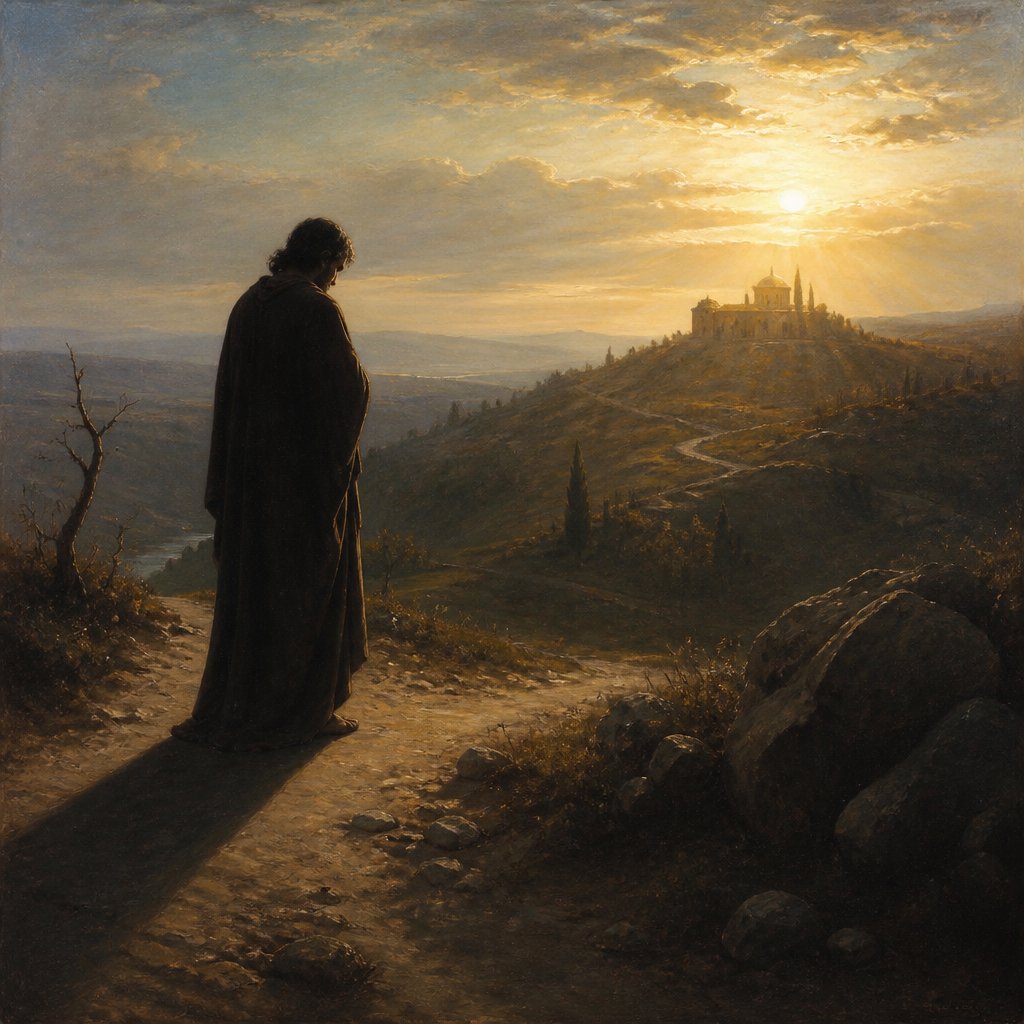
Ecclesiastes 8:13, as stated in the King James Version, reads: "But it shall not be well with the wicked, neither shall he prolong his days, which are as a shadow; because he feareth not before God." This verse encapsulates a profound truth about the outcomes of a life lived in opposition to God’s commandments and the inherent consequences that follow.
As we delve into the meaning of this verse, we are reminded that there exists a stark contrast between the plight of the wicked and the life of those who choose to walk in the light of God’s ways. The author of Ecclesiastes, traditionally attributed to King Solomon, often understands the world as a place of seeming vanity and perplexity. Yet, amidst the uncertainties of life, he establishes an undeniable principle: the ultimate demise of wickedness.
When Scripture refers to the "wicked," it speaks of those who intentionally rebel against God’s laws. The wicked may seem to prosper in this world, leading lives filled with material gain and temporary pleasures. However, Solomon affirms that their days will be short-lived as their choices fundamentally separate them from the eternal goodness and presence of God.
The phrase "neither shall he prolong his days, which are as a shadow," is striking. Here, the metaphor of a shadow serves to highlight the fleeting and insubstantial nature of a wicked life. A shadow is not a solid entity; it has no substance and cannot hold weight. In many ways, this reflects the false stability that the wicked believe they possess. They live under the delusion that their current state of affairs can be maintained indefinitely, yet Solomon’s wisdom reminds us that this is not true.
Wickedness operates under a moral bankruptcy that ultimately leads to self-destruction. When one does not "fear before God," they disregard the moral foundations that God has established for our well-being. To fear God is to hold reverence for His holiness, to respect His authority over creation, and to acknowledge His power in our lives. This reverence fosters a relationship with the Creator and guides our choices toward righteousness.
God’s justice is not only about punishment; it’s also about restoring order from chaos. While the wicked may evade earthly consequences for a time, eternal justice awaits. Their lack of reverence, noted in this verse, emphasizes a pitiable ignorance of God's character and impending judgment. This should serve as a sobering reminder for those who may be tempted by the allure of depravity: there is no refuge from the moral consequences of our actions.
As followers of Christ, we are called to both examine our own lives and act as beacons of light in a world inclined toward darkness. God’s grace offers an invitation to redemption, allowing anyone willing to repent to step away from the path of wickedness and into His everlasting arms. By extending love and truth, we fulfill our role to call the wayward back to God’s light.
Moreover, contemplating this verse invites us to consider how we live daily. Are we cultivating the fear of God in our lives? Are we allowing ourselves to be lured by activities that do not align with His word? In our pursuit of righteousness, may we also seek to lift up those around us, encouraging them to abandon destruction for a life filled with purpose and fulfillment found only in Christ.
In conclusion, Ecclesiastes 8:13 serves as both a warning and a reminder of God’s unchanging nature. As we remember the fate of the wicked, let us choose to live in reverence before God, understanding that our days are precious, and our lives have incredible significance when lived aligned with Him. Our prayer should be for wisdom and boldness to live out our faith authentically, shining brightly in a world desperately in need of His truth.
Want to reflect more on Ecclesiastes 8:13?
Continue your spiritual journey with Bible Chat — an AI-powered tool for exploring God's Word through conversation. Ask questions, discover connections, and deepen your understanding.
Get Our Apps


Ecclesiastes 8:13 Artwork

Ecclesiastes 8:13 - "But it shall not be well with the wicked, neither shall he prolong his days, which are as a shadow; because he feareth not before God."
"But it shall not be well with the wicked, neither shall he prolong his days, which are as a shadow; because he feareth not before God." - Ecclesiastes 8:13

ecclesiastes 12:1-8

ecclesiastes 12:1-8

ecclesiastes 12:1-8

ecclesiastes 12:1-8

Ecclesiastes 3:7-8

ecclesiastes 12:1-8

Ecclesiastes 12:8 - "¶ Vanity of vanities, saith the preacher; all is vanity."

Ecclesiastes 3:8 - "A time to love, and a time to hate; a time of war, and a time of peace."

Ecclesiastes 2:13 - "Then I saw that wisdom excelleth folly, as far as light excelleth darkness."

Ecclesiastes 8:2 - "I counsel thee to keep the king's commandment, and that in regard of the oath of God."

Ecclesiastes 10:13 - "The beginning of the words of his mouth is foolishness: and the end of his talk is mischievous madness."

Ecclesiastes 8:7 - "For he knoweth not that which shall be: for who can tell him when it shall be?"

Ecclesiastes 4:13 - "¶ Better is a poor and a wise child than an old and foolish king, who will no more be admonished."

Ecclesiastes 9:13 - "¶ This wisdom have I seen also under the sun, and it seemed great unto me:"

Ecclesiastes 8:6 - "¶ Because to every purpose there is time and judgment, therefore the misery of man is great upon him."

Ecclesiastes 7:13 - "Consider the work of God: for who can make that straight, which he hath made crooked?"

Ecclesiastes 9:8 - "Let thy garments be always white; and let thy head lack no ointment."

Ecclesiastes 8:4 - "Where the word of a king is, there is power: and who may say unto him, What doest thou?"

Ecclesiastes 7:8 - "Better is the end of a thing than the beginning thereof: and the patient in spirit is better than the proud in spirit."

Ecclesiastes 3:13 - "And also that every man should eat and drink, and enjoy the good of all his labour, it is the gift of God."

Ecclesiastes 5:13 - "There is a sore evil which I have seen under the sun, namely, riches kept for the owners thereof to their hurt."

Ecclesiastes 12:13 - "Let us hear the conclusion of the whole matter: Fear God, and keep his commandments: for this is the whole duty of man."

Ecclesiastes 10:8 - "He that diggeth a pit shall fall into it; and whoso breaketh an hedge, a serpent shall bite him."

Ecclesiastes 8:8 - "There is no man that hath power over the spirit to retain the spirit; neither hath he power in the day of death: and there is no discharge in that war; neither shall wickedness deliver those that are given to it."

Ecclesiastes 1:8 - "All things are full of labour; man cannot utter it: the eye is not satisfied with seeing, nor the ear filled with hearing."

Ecclesiastes 8:5 - "Whoso keepeth the commandment shall feel no evil thing: and a wise man's heart discerneth both time and judgment."

Ecclesiastes 8:3 - "Be not hasty to go out of his sight: stand not in an evil thing; for he doeth whatsoever pleaseth him."

Ecclesiastes 6:8 - "For what hath the wise more than the fool? what hath the poor, that knoweth to walk before the living?"