Life's Ephemeral Journey: Finding Meaning Beyond the Years
"¶ Yea, though he live a thousand years twice told, yet hath he seen no good: do not all go to one place?" - Ecclesiastes 6:6

Ecclesiastes 6:6 reads in the King James Version: "Yea, though he live a thousand years twice told, yet hath he seen no good: do not all go to one place?" This verse encapsulates the profound weariness that can accompany a life lived without purpose or fulfillment. The writer of Ecclesiastes, traditionally attributed to Solomon, contemplates the human condition, reflecting on the vastness of time and the often-empty pursuits we chase in the interim.
**Understanding the Context**
To delve into this verse, we must first understand the broader context of Ecclesiastes, a book often marked by its exploration of the meaning of life and the futility of earthly pursuits. Solomon, who experienced immense wealth, wisdom, and pleasure, culminates his reflections by acknowledging the ultimate futility of life lived under the sun without God. In this specific verse, he presents a stark truth: it is not the length of one's life that determines its richness, but rather the depth of and purpose found within that life.
**Living a Thousand Years**
The phrase "though he live a thousand years twice told" is a hyperbolic expression to illustrate an extraordinarily long life. But what Solomon brings to the foreground is not merely the countless years one may accumulate but the quality of experience during those years. If a person lives for two thousand years yet finds no good, what have they truly achieved? Herein lies a warning against aiming exclusively for longevity without seeking out a life of significance.
This verse challenges us to consider our own lives: Are we so consumed with the mere act of living that we fail to truly engage with the life God offers? It reminds us that existence alone is not sufficient; it is the experiences, relationships, and divine purpose that imbue our years with meaning. Life filled with selfish ambition ultimately leads to disappointment.
**Do Not All Go to One Place?**
The latter part of the verse, "do not all go to one place?" highlights the inevitable reality of death. Solomon effectively reminds us that regardless of our pursuits, achievements, or failures, we will all end up in the same place. This is a sobering reminder that the end of all human experience is death. Rather than inspiring fear, this truth should ignite in us a sense of urgency to live meaningfully and rightly before God.
**A Call to Reflect on Purpose**
In this light, Ecclesiastes 6:6 becomes a call to reflect on the purpose of our lives. Are we accumulating wealth, accolades, and experiences in vain? What legacy are we building? Solomon invites his readers to pause and evaluate the trajectory of their lives. Are we prioritizing what truly matters, namely, our relationship with God and service to others? This should prompt us to seek fulfillment not in earthly treasures that might be lost or destroyed but in the eternal treasures stored up in heaven.
**Finding Good in Life**
The lack of "good" that Solomon refers to can be interpreted as a lack of fulfillment, joy, or contentment. It serves as a reminder that true goodness in our lives comes from aligning our hearts and desires with God’s purpose. It is in surrendering our concerns about our future, in serving the needs of others, and nurturing our relationships that we often find joy and true happiness. Moreover, spending time with God, often in prayer and meditation on His Word, leads to renewed clarity about what is good.
**Conclusion**
As we reflect on Ecclesiastes 6:6, let us not be consumed by circumstance or duration but seek to lead lives that echo with purpose. Let us strive to walk in wisdom, seek God daily, and embrace the relationships that will leave a lasting impact on our hearts and the world around us. May each day be an opportunity to live meaningfully, rather than merely existing, as we pursue what is truly good before the Lord.
Want to reflect more on Ecclesiastes 6:6?
Continue your spiritual journey with Bible Chat — an AI-powered tool for exploring God's Word through conversation. Ask questions, discover connections, and deepen your understanding.
Get Our Apps


Ecclesiastes 6:6 Artwork

Ecclesiastes 6:6 - "¶ Yea, though he live a thousand years twice told, yet hath he seen no good: do not all go to one place?"

"¶ Yea, though he live a thousand years twice told, yet hath he seen no good: do not all go to one place?" - Ecclesiastes 6:6

ecclesiastes 12:2-6

Ecclesiastes 10:6 - "Folly is set in great dignity, and the rich sit in low place."

Ecclesiastes 6:7 - "All the labour of man is for his mouth, and yet the appetite is not filled."

Ecclesiastes 6:11 - "¶ Seeing there be many things that increase vanity, what is man the better?"

Ecclesiastes 3:6 - "A time to get, and a time to lose; a time to keep, and a time to cast away;"

Ecclesiastes 7:6 - "For as the crackling of thorns under a pot, so is the laughter of the fool: this also is vanity."

Ecclesiastes 6:9 - "¶ Better is the sight of the eyes than the wandering of the desire: this is also vanity and vexation of spirit."

Ecclesiastes 6:1 - "There is an evil which I have seen under the sun, and it is common among men:"

Ecclesiastes 6:4 - "For he cometh in with vanity, and departeth in darkness, and his name shall be covered with darkness."

Ecclesiastes 4:6 - "Better is an handful with quietness, than both the hands full with travail and vexation of spirit."

Ecclesiastes 8:6 - "¶ Because to every purpose there is time and judgment, therefore the misery of man is great upon him."

Ecclesiastes 2:6 - "I made me pools of water, to water therewith the wood that bringeth forth trees:"

Ecclesiastes 12:6 - "Or ever the silver cord be loosed, or the golden bowl be broken, or the pitcher be broken at the fountain, or the wheel broken at the cistern."

Ecclesiastes 6:8 - "For what hath the wise more than the fool? what hath the poor, that knoweth to walk before the living?"

Ecclesiastes 6:5 - "Moreover he hath not seen the sun, nor known any thing: this hath more rest than the other."

Ecclesiastes 6:10 - "That which hath been is named already, and it is known that it is man: neither may he contend with him that is mightier than he."

Ecclesiastes 1:6 - "The wind goeth toward the south, and turneth about unto the north; it whirleth about continually, and the wind returneth again according to his circuits."

Ecclesiastes 9:6 - "Also their love, and their hatred, and their envy, is now perished; neither have they any more a portion for ever in any thing that is done under the sun."

"Folly is set in great dignity, and the rich sit in low place." - Ecclesiastes 10:6

Ecclesiastes 11:6 - "In the morning sow thy seed, and in the evening withhold not thine hand: for thou knowest not whether shall prosper, either this or that, or whether they both shall be alike good."

"¶ Seeing there be many things that increase vanity, what is man the better?" - Ecclesiastes 6:11

"All the labour of man is for his mouth, and yet the appetite is not filled." - Ecclesiastes 6:7

"A time to get, and a time to lose; a time to keep, and a time to cast away;" - Ecclesiastes 3:6

"For as the crackling of thorns under a pot, so is the laughter of the fool: this also is vanity." - Ecclesiastes 7:6
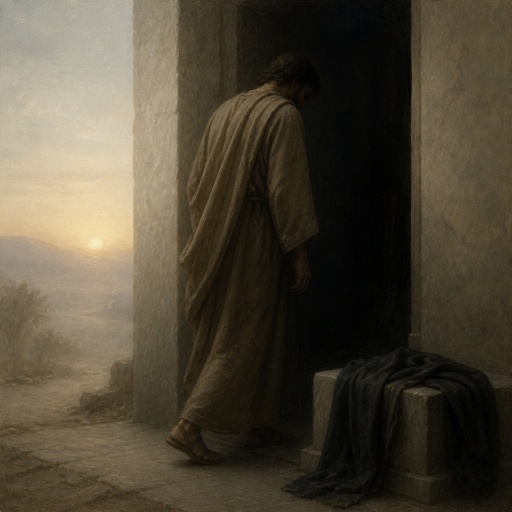
"For he cometh in with vanity, and departeth in darkness, and his name shall be covered with darkness." - Ecclesiastes 6:4
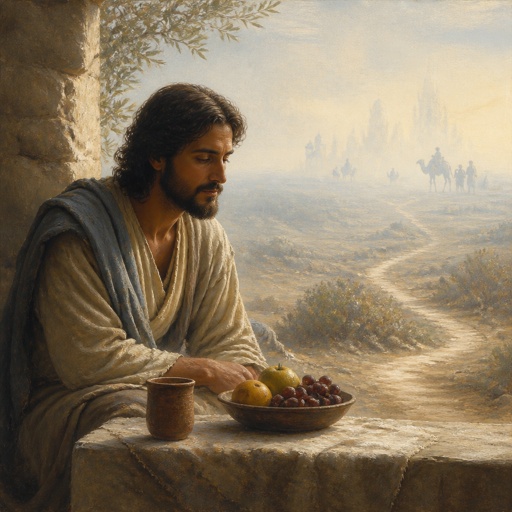
"¶ Better is the sight of the eyes than the wandering of the desire: this is also vanity and vexation of spirit." - Ecclesiastes 6:9
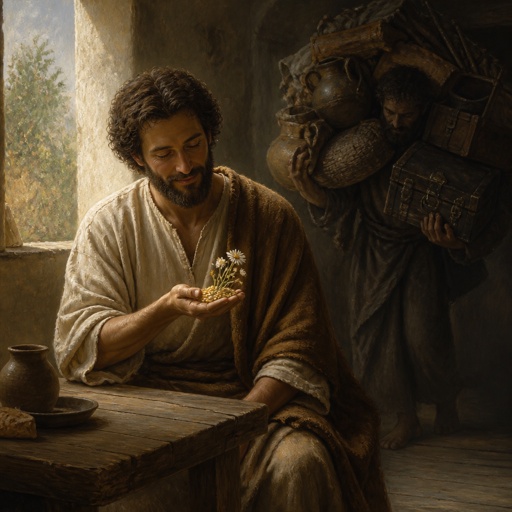
"Better is an handful with quietness, than both the hands full with travail and vexation of spirit." - Ecclesiastes 4:6

"There is an evil which I have seen under the sun, and it is common among men:" - Ecclesiastes 6:1