Walking Humbly in the House of God
"Keep thy foot when thou goest to the house of God, and be more ready to hear, than to give the sacrifice of fools: for they consider not that they do evil." - Ecclesiastes 5:1
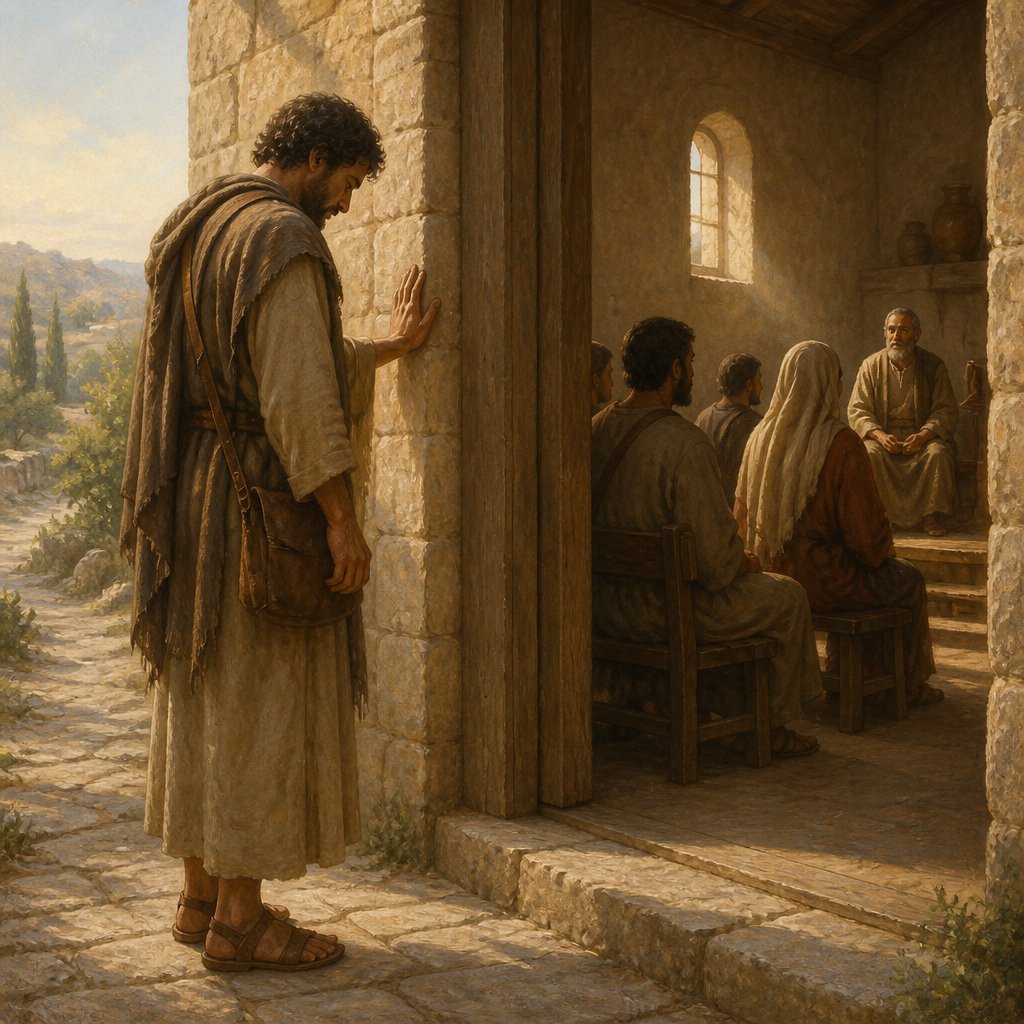
Ecclesiastes 5:1 instructs us, "Keep thy foot when thou goest to the house of God, and be more ready to hear, than to give the sacrifice of fools: for they consider not that they do evil." This verse conveys profound wisdom applicable to our approach to worship and relationship with God in His house and beyond.
As we dwell on the phrase, "Keep thy foot," we are reminded of the necessity of reverence in the presence of the Almighty. The act of keeping our foot symbolizes the importance of being mindful of our step—both literally and metaphorically. To navigate our way wisely into the house of God means to enter with a spirit of humility and respect, cognizant of the sacredness of our surroundings. The chaos of daily life can cause our minds to wander and our hearts to become casual. Moments in church or in prayer can sometimes slip into routines or rituals where we attend out of obligation rather than genuine devotion.
Think about it; how often do we rush into God's presence without the proper heart posture? The call to "keep thy foot" urges us to pause, reflect, and prepare ourselves. It beckons us to approach our worship with intentionality. When we consider our transition from the noise of the world into the quiet sanctity of worship, we must be deliberate in shedding the distractions and burdens we carry. Walking humbly means acknowledging our imperfect state and preparing ourselves to receive what God has to speak into our lives.
Next, the verse encourages us to be "more ready to hear" than to make sacrifices. In the ancient context of sacrifice, these were intended to be acts of worship, offerings to God that represented acknowledgment of His sovereignty and grace. However, the teacher in Ecclesiastes warns against the sacrifice of fools—those who come to God without true understanding or reverent attitudes. It is not merely the act of sacrifice that God desires but the disposition of the heart behind it.
In today’s context, sacrifice might manifest as our service, our offerings, or our participation in church activities; yet, without listening to God—seeking His guidance and will—our actions can become futile. Being "ready to hear" transforms our approach from one of performance to one of relationship. God desires communion with His people; thus, we must prioritize our desire to hear His voice over our eager tendency to speak or serve.
As we engage with God's Word, we find that true worship begins with listening. James 1:19 reminds us, "Wherefore, my beloved brethren, let every man be swift to hear, slow to speak, slow to wrath." This counsel aligns beautifully with the Ecclesiastes imperative. Changing our focus from a desire to have our voice heard to a willingness to absorb what God is revealing can lead to spiritual growth and enlightenment.
Moreover, the concluding phrase of Ecclesiastes 5:1 is alarming yet sobering, pointing out that fools "consider not that they do evil." This encapsulates the essence of spiritual blindness—the unawareness of one’s spiritual state. Many individuals may perform rituals or attend church services while remaining disconnected from their true purpose and God’s righteousness. They may offer sacrifices blindly, failing to recognize their need for a genuine heart of repentance and obedience.
As we come into the house of God, let us not only strive to offer our service but also to cultivate a listening heart. By keeping our foot firmly planted in humility, ready to hear God’s voice, we can escape the snares of foolishness. Let us make it our priority to listen, to learn, and to submit, fostering a deeper relationship with Christ that brings about transformation in our lives and the lives of those around us. May our sacrifice be one of obedience—hearing God’s word and responding with faith.
In conclusion, as we approach the house of God today and every day, let us keep our feet firmly planted in humility, our hearts open to the Holy Spirit, and our ears attuned to the whispers of the Divine—seeking not our own way but the ways of His kingdom.
Want to reflect more on Ecclesiastes 5:1?
Continue your spiritual journey with Bible Chat — an AI-powered tool for exploring God's Word through conversation. Ask questions, discover connections, and deepen your understanding.
Get Our Apps


Ecclesiastes 5:1 Artwork

Ecclesiastes 5:1 - "Keep thy foot when thou goest to the house of God, and be more ready to hear, than to give the sacrifice of fools: for they consider not that they do evil."
"Keep thy foot when thou goest to the house of God, and be more ready to hear, than to give the sacrifice of fools: for they consider not that they do evil." - Ecclesiastes 5:1

Ecclesiastes 1:5 - "The sun also ariseth, and the sun goeth down, and hasteth to his place where he arose."

Ecclesiastes 5:5 - "Better is it that thou shouldest not vow, than that thou shouldest vow and not pay."

"The sun also ariseth, and the sun goeth down, and hasteth to his place where he arose." - Ecclesiastes 1:5

Ecclesiastes 5:9 - "¶ Moreover the profit of the earth is for all: the king himself is served by the field."

Ecclesiastes 4:5 - "The fool foldeth his hands together, and eateth his own flesh."

"The sun also ariseth, and the sun goeth down, and hasteth to his place where he arose." - Ecclesiastes 1:5

Ecclesiastes 7:5 - "It is better to hear the rebuke of the wise, than for a man to hear the song of fools."

Ecclesiastes 5:7 - "For in the multitude of dreams and many words there are also divers vanities: but fear thou God."

ecclesiastes 12:1

ecclesiastes 12:1

Ecclesiastes 5:3 - "For a dream cometh through the multitude of business; and a fool's voice is known by multitude of words."

Ecclesiastes 1:11

ecclesiastes 12:1

Ecclesiastes 3:1

Ecclesiastes 5:14 - "But those riches perish by evil travail: and he begetteth a son, and there is nothing in his hand."

Ecclesiastes 10:5 - "There is an evil which I have seen under the sun, as an error which proceedeth from the ruler:"

Ecclesiastes 2:5 - "I made me gardens and orchards, and I planted trees in them of all kind of fruits:"

"Better is it that thou shouldest not vow, than that thou shouldest vow and not pay." - Ecclesiastes 5:5

Ecclesiastes 1:1 - "The words of the Preacher, the son of David, king in Jerusalem."

Ecclesiastes 5:10 - "He that loveth silver shall not be satisfied with silver; nor he that loveth abundance with increase: this is also vanity."

ecclesiastes 12:1-8

Ecclesiastes 5:13 - "There is a sore evil which I have seen under the sun, namely, riches kept for the owners thereof to their hurt."

Ecclesiastes 5:17 - "All his days also he eateth in darkness, and he hath much sorrow and wrath with his sickness."

Ecclesiastes 5:11 - "When goods increase, they are increased that eat them: and what good is there to the owners thereof, saving the beholding of them with their eyes?"

Ecclesiastes 3:5 - "A time to cast away stones, and a time to gather stones together; a time to embrace, and a time to refrain from embracing;"

Ecclesiastes 8:5 - "Whoso keepeth the commandment shall feel no evil thing: and a wise man's heart discerneth both time and judgment."

Ecclesiastes 5:20 - "For he shall not much remember the days of his life; because God answereth him in the joy of his heart."

ecclesiastes 12:1-8