The Divine Breath: Understanding the Spirits of Man and Beast
"Who knoweth the spirit of man that goeth upward, and the spirit of the beast that goeth downward to the earth?" - Ecclesiastes 3:21
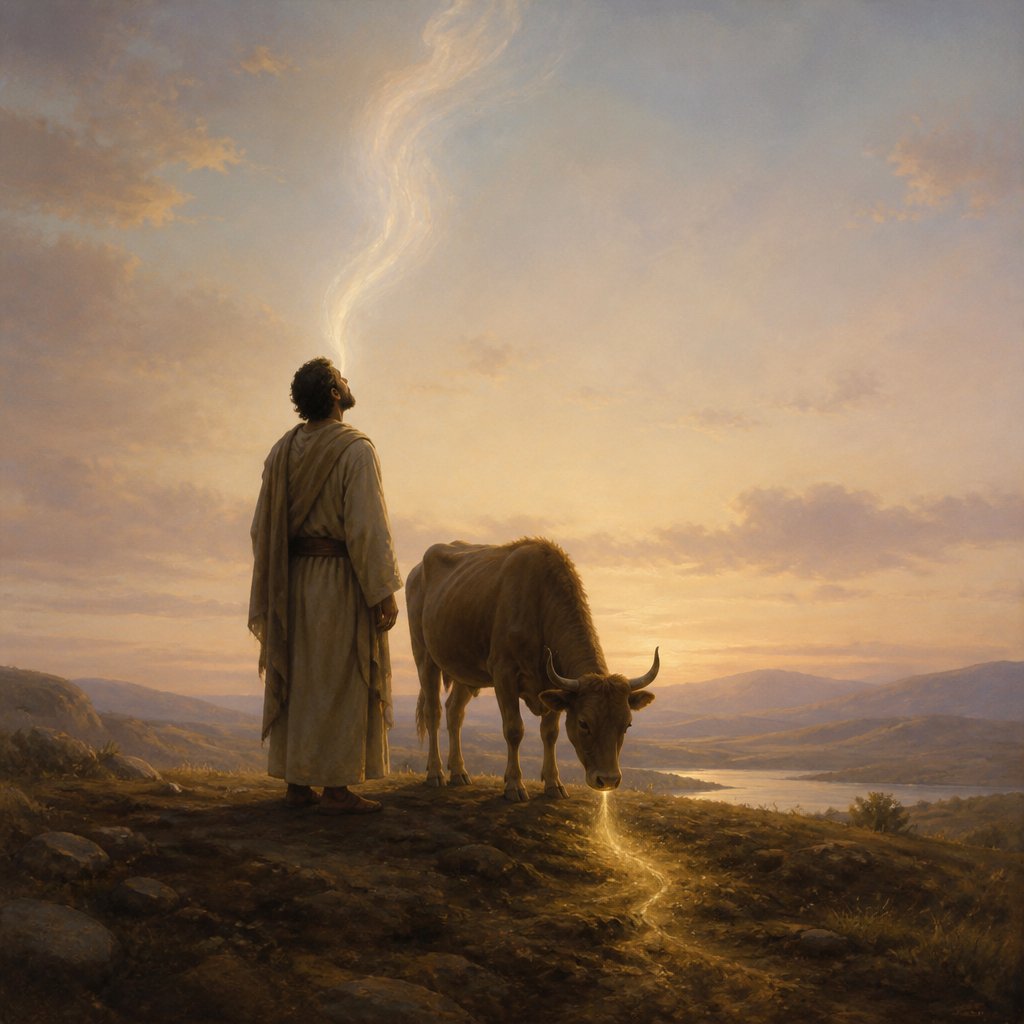
Ecclesiastes 3:21 poses a profound question: "Who knoweth the spirit of man that goeth upward, and the spirit of the beast that goeth downward to the earth?" These words, woven into the rich tapestry of Solomon’s reflections on the meaning of life, remind us of the inherent complexity surrounding the mystery of existence and the distinction between human and animal life.
To truly grasp the depth of this verse, we first consider its context within the Book of Ecclesiastes. This entire text is infused with a sense of existential reflection. The Preacher delves into the futile pursuits of life, the relentless passage of time, and the ultimate fate that befalls all living things. It is in this atmosphere that the question of the spirit arises, prompting us to ponder more than just our earthly realities.
The phrase "the spirit of man that goeth upward" signifies a belief in the transcendental nature of humanity. It heralds the notion that each individual carries within them an essence that is destined for a realm beyond mere physical existence. Unlike animals, whose spirits "goeth downward to the earth," humans are seen as more than mere biological organisms; we are imbued with a spirit that aspires for greater truths, higher purposes, and, ultimately, communion with the divine.
To understand why Solomon makes this distinction, we must reflect on the nature of the human spirit. The spirit that goes upward signifies our innate longing for purpose, for connection, and for immortality. Ecclesiastes encapsulates the human condition perfectly; we are beings caught between the temporal and the eternal, created in the image of God yet confined to a mortal frame. Our spirits crave the extraordinary, hinting at the divine breath that animates us.
In contrast, Solomon speaks of the "spirit of the beast" entirely differently. Animals are not fashioned with the same eternal aspirations. Their existence is bound to the earth, reflecting a life that is complete in its instincts and behaviors but lacks the deeper reflection that humanity possesses. This does not belittle the lives of animals; rather, it showcases the magnificent distinction placed upon humanity. We are called to recognize that while we share this planet with countless creatures, we hold a unique responsibility to steward and care for all living things, motivated by our moral and spiritual understanding.
As we journey through life, we must grapple with the duality of our nature; our spirits yearn for the upward journey even while grounded in the realities of our earthly existence. This brings us to a critical reflection on purpose and identity. Who are we to understand the movements of spirits, whether animal or human? The answer lies in humility and recognition of our limitations. Solomon’s rhetorical question points us toward a deeper wisdom—an acknowledgment that only God fully comprehends the dynamics of life and death.
This verse invites us to reflect on our own spirits: Are we actively nurturing our spiritual journey upwards? Are we engaging with the divine wisdom that shapes our very essence? As believers, we must remember that our spirits are intended to soar towards our Creator, who breathed life into us. We are called to rise above the mundane, to connect with God's heart, and to fulfill the unique purpose He designed for us.
In a world that often distracts us with trivial pursuits, let us fix our eyes on the spiritual ascent we are invited to embrace. We may not fully understand the comprehensive nature of spirits, but we can strive to live lives that honor the divine breath within us. Let our spirits be attuned to the call of God higher than any earthly routine, fostering a deeper communion with Him, who knows all things.
Want to reflect more on Ecclesiastes 3:21?
Continue your spiritual journey with Bible Chat — an AI-powered tool for exploring God's Word through conversation. Ask questions, discover connections, and deepen your understanding.
Get Our Apps


Ecclesiastes 3:21 Artwork

Ecclesiastes 3:21 - "Who knoweth the spirit of man that goeth upward, and the spirit of the beast that goeth downward to the earth?"
"Who knoweth the spirit of man that goeth upward, and the spirit of the beast that goeth downward to the earth?" - Ecclesiastes 3:21

Ecclesiastes 3:1

Ecclesiastes 3:3 - "A time to kill, and a time to heal; a time to break down, and a time to build up;"

Ecclesiastes 3:7-8

Ecclesiastes 3:1 – "There is a time for everything, and a season for every activity under the heavens."

Ecclesiastes 3:1 - "To every thing there is a season, and a time to every purpose under the heaven:"

Ecclesiastes 3:9 - "What profit hath he that worketh in that wherein he laboureth?"

Ecclesiastes 3:4 - "A time to weep, and a time to laugh; a time to mourn, and a time to dance;"

Ecclesiastes 3:8 - "A time to love, and a time to hate; a time of war, and a time of peace."

Ecclesiastes 7:21 - "Also take no heed unto all words that are spoken; lest thou hear thy servant curse thee:"

Ecclesiastes 3:6 - "A time to get, and a time to lose; a time to keep, and a time to cast away;"

Ecclesiastes 7:3 - "Sorrow is better than laughter: for by the sadness of the countenance the heart is made better."

Ecclesiastes 3:7 - "A time to rend, and a time to sew; a time to keep silence, and a time to speak;"

Ecclesiastes 3:2 - "A time to be born, and a time to die; a time to plant, and a time to pluck up that which is planted;"

Ecclesiastes 3:16 - "¶ And moreover I saw under the sun the place of judgment, that wickedness was there; and the place of righteousness, that iniquity was there."

Ecclesiastes 3:20 - "All go unto one place; all are of the dust, and all turn to dust again."

Ecclesiastes 3:12 - "I know that there is no good in them, but for a man to rejoice, and to do good in his life."

Ecclesiastes 5:3 - "For a dream cometh through the multitude of business; and a fool's voice is known by multitude of words."

Ecclesiastes 1:3 - "What profit hath a man of all his labour which he taketh under the sun?"

Ecclesiastes 3:15 - "That which hath been is now; and that which is to be hath already been; and God requireth that which is past."

Ecclesiastes 3:10 - "I have seen the travail, which God hath given to the sons of men to be exercised in it."

Ecclesiastes 3:13 - "And also that every man should eat and drink, and enjoy the good of all his labour, it is the gift of God."

Ecclesiastes 3:1 – "There is a time for everything, and a season for every activity under the heavens." r

Ecclesiastes 2:21 - "For there is a man whose labour is in wisdom, and in knowledge, and in equity; yet to a man that hath not laboured therein shall he leave it for his portion. This also is vanity and a great evil."

Ecclesiastes 3:17 - "I said in mine heart, God shall judge the righteous and the wicked: for there is a time there for every purpose and for every work."

Ecclesiastes 3:5 - "A time to cast away stones, and a time to gather stones together; a time to embrace, and a time to refrain from embracing;"

Ecclesiastes 8:3 - "Be not hasty to go out of his sight: stand not in an evil thing; for he doeth whatsoever pleaseth him."
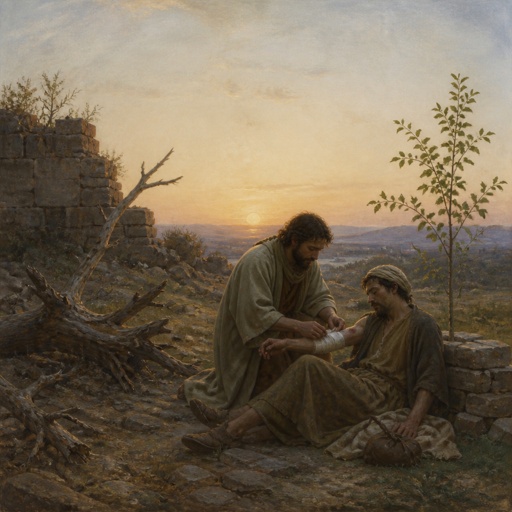
"A time to kill, and a time to heal; a time to break down, and a time to build up;" - Ecclesiastes 3:3

Ecclesiastes 3:18 - "I said in mine heart concerning the estate of the sons of men, that God might manifest them, and that they might see that they themselves are beasts."