The Illusion of Newness: A Reflection on Ecclesiastes 1:10
"Is there any thing whereof it may be said, See, this is new? it hath been already of old time, which was before us." - Ecclesiastes 1:10

Ecclesiastes 1:10 states, "Is there any thing whereof it may be said, See, this is new? it hath been already of old time, which was before us." This verse invites us into a profound meditation on the cyclical nature of life and the pursuits of humanity. At first glance, one might be inclined to dismiss this as a mere lamentation of the past, yet within it lies a treasure trove of wisdom that holds relevance in our contemporary lives.
The author of Ecclesiastes, traditionally attributed to Solomon, wrestles with an overarching theme: the futility of human endeavors when disconnected from divine purpose. He views the world through the lens of experience, having tasted both the sweetness of success and the bitterness of failure. In his reflections, he questions the very essence of progress and innovation in a world that seems to repeat itself ad infinitum.
"Is there any thing whereof it may be said, See, this is new?" Solomon’s rhetorical question resonates deeply. We live in a society that is enamored with the cosmos of newness and innovation. Every day brings forth advancements in technology, trends in fashion, and bursts of creativity in art. However, as we make these discoveries and create anew, we often overlook the historical context from which they spring.
The nuances of fashion may change, but underlying principles of human emotions and interactions remain constant. Music may evolve, but the themes of love, heartache, and joy have sung through the ages long before modern artists picked up their instruments. The truth is, while wrappers may differ, the content of humanity's experiences often remains the same. Solomon's assertion that it "hath been already of old time, which was before us" serves as a reminder that we are part of a grand narrative woven throughout centuries.
Reflecting on this verse can prompt deep self-examination. In the pursuit of striving toward our personal and professional goals, do we often chase after what seems novel while carrying remnants of the past? We might be prone to think we are the architects of new ideas, yet many concepts that we regard as fresh have roots that delve back into history. There is a humbling realization in acknowledging that we stand on the shoulders of giants—those who blazed trails before us.
Moreover, this understanding invites us to appreciate the wisdom of previous generations. In our rush to innovate, we may dismiss valuable lessons that history has to offer. The cyclical nature of existence teaches us that understanding where we've come from can guide us toward where we ought to go. The wisdom contained in ancient texts, including the Scriptures, provides not merely historical context but also spiritual insights that can enhance our modern journey.
In our personal lives, let us not overlook the importance of reflection. In times of distress or joy, how often do we recall the past and utilize its lessons in shaping our present decisions? Taking a moment to look back can illuminate our current paths, revealing patterns that inform our responses to life’s changing tides.
In Christ, we recognize that all things are made new (2 Corinthians 5:17). Yet this newness does not negate the importance of good foundations laid throughout history. Our faith, entwined with history, informs us that while trends may fade, the truths of God remain unchanging. The cycles of life and creation echo the story of redemption, reminding us that amidst the new, the eternal King is at work.
As we meditate on Ecclesiastes 1:10, may we embrace a mindset that seeks wisdom in the old while navigating the new. Let us appreciate the rich tapestry of life we are part of, learning from what came before, and leveraging that wisdom as we continue to forge ahead. And in doing so, we find peace and purpose in our ever-revolving world.
Want to reflect more on Ecclesiastes 1:10?
Continue your spiritual journey with Bible Chat — an AI-powered tool for exploring God's Word through conversation. Ask questions, discover connections, and deepen your understanding.
Get Our Apps


Ecclesiastes 1:10 Artwork

Ecclesiastes 1:10 - "Is there any thing whereof it may be said, See, this is new? it hath been already of old time, which was before us."
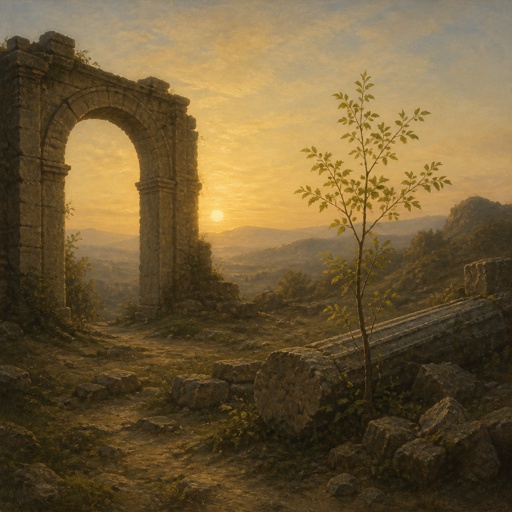
"Is there any thing whereof it may be said, See, this is new? it hath been already of old time, which was before us." - Ecclesiastes 1:10

Ecclesiastes 10:1 - "Dead flies cause the ointment of the apothecary to send forth a stinking savour: so doth a little folly him that is in reputation for wisdom and honour."

Ecclesiastes 10:10 - "If the iron be blunt, and he do not whet the edge, then must he put to more strength: but wisdom is profitable to direct."

Ecclesiastes 10:6 - "Folly is set in great dignity, and the rich sit in low place."

Ecclesiastes 10:11 - "Surely the serpent will bite without enchantment; and a babbler is no better."

Ecclesiastes 10:18 - "¶ By much slothfulness the building decayeth; and through idleness of the hands the house droppeth through."

Ecclesiastes 10:19 - "¶ A feast is made for laughter, and wine maketh merry: but money answereth all things."

Ecclesiastes 10:13 - "The beginning of the words of his mouth is foolishness: and the end of his talk is mischievous madness."

Ecclesiastes 10:2 - "A wise man's heart is at his right hand; but a fool's heart at his left."

Ecclesiastes 10:12 - "The words of a wise man's mouth are gracious; but the lips of a fool will swallow up himself."

ecclesiastes 12:1

ecclesiastes 12:1

Ecclesiastes 10:5 - "There is an evil which I have seen under the sun, as an error which proceedeth from the ruler:"

Ecclesiastes 12:10 - "The preacher sought to find out acceptable words: and that which was written was upright, even words of truth."

Ecclesiastes 10:15 - "The labour of the foolish wearieth every one of them, because he knoweth not how to go to the city."

Ecclesiastes 10:7 - "I have seen servants upon horses, and princes walking as servants upon the earth."

Ecclesiastes 3:10 - "I have seen the travail, which God hath given to the sons of men to be exercised in it."

Ecclesiastes 1:11

ecclesiastes 12:1

Ecclesiastes 3:1

Ecclesiastes 5:10 - "He that loveth silver shall not be satisfied with silver; nor he that loveth abundance with increase: this is also vanity."

Ecclesiastes 10:16 - "¶ Woe to thee, O land, when thy king is a child, and thy princes eat in the morning!"

Ecclesiastes 10:9 - "Whoso removeth stones shall be hurt therewith; and he that cleaveth wood shall be endangered thereby."

Ecclesiastes 10:8 - "He that diggeth a pit shall fall into it; and whoso breaketh an hedge, a serpent shall bite him."

Ecclesiastes 1:1 - "The words of the Preacher, the son of David, king in Jerusalem."

ecclesiastes 12:1-8

Ecclesiastes 10:4 - "If the spirit of the ruler rise up against thee, leave not thy place; for yielding pacifieth great offences."

ecclesiastes 12:1-8

ecclesiastes 12:1-8