The Weight of Our Words: An Examination of Ecclesiastes 10:20
"¶ Curse not the king, no not in thy thought; and curse not the rich in thy bedchamber: for a bird of the air shall carry the voice, and that which hath wings shall tell the matter." - Ecclesiastes 10:20
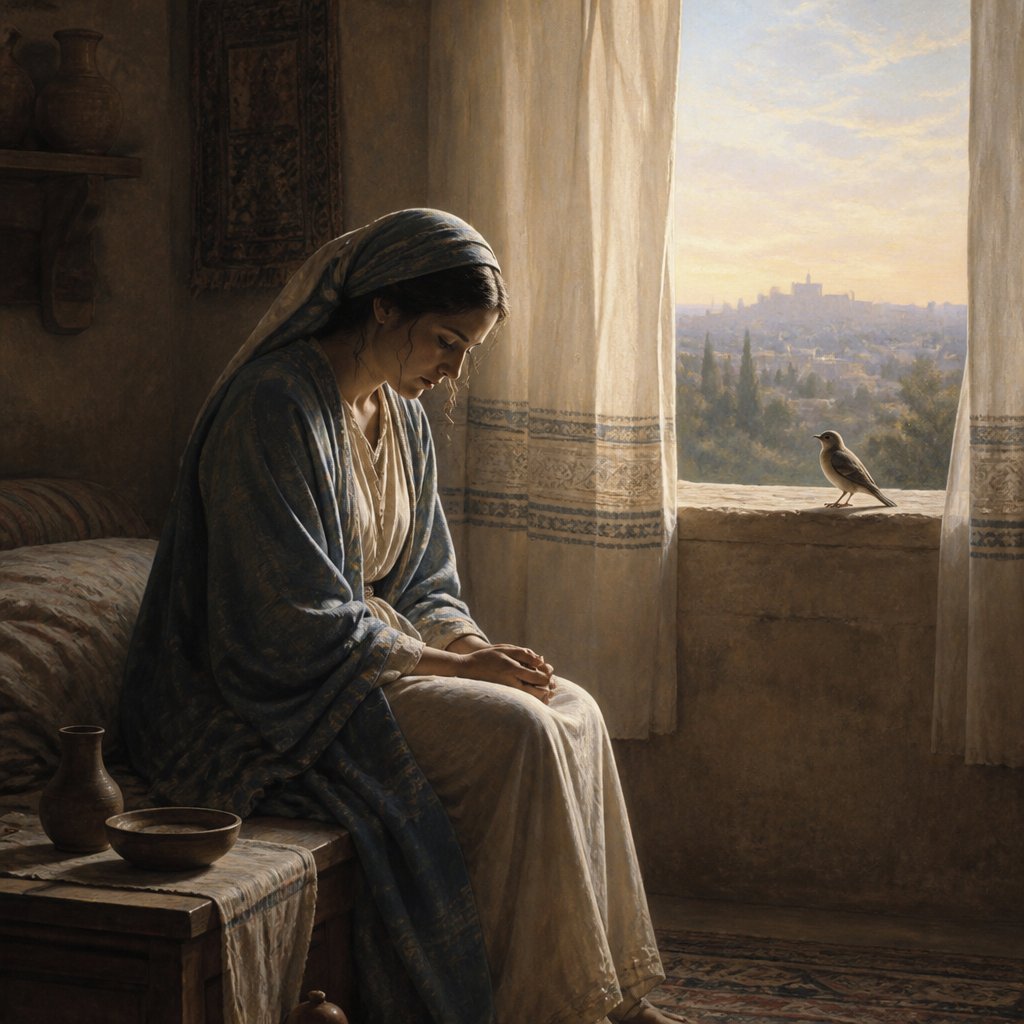
As we journey through the complexities of life, we often find ourselves entangled in the web of our own thoughts and words. The wisdom of Ecclesiastes 10:20 reminds us of the profound impact our expressions can have, not only on ourselves but also on those around us.
The verse reads: "Curse not the king, no not in thy thought; and curse not the rich in thy bedchamber: for a bird of the air shall carry the voice, and that which hath wings shall tell the matter." These ancient words, penned by the Preacher, resonate deeply in our modern context, urging us to consider the implications of what we say and even what we think.
### The Power of Thoughts and Words
It is striking how the verse warns against cursing the king or the rich, suggesting that even our secret thoughts against authority figures and those in positions of wealth should not be fleeting whims. The command to refrain from cursing "not in thy thought" speaks volumes about the nature of our inner dialogue.
Our thoughts are powerful entities; they shape our perspectives, influence our emotions, and ultimately manifest into our words and actions. When we harbor negative thoughts or speak ill of others, particularly those in leadership, we are tempted to neglect the weight those thoughts carry. Silence can sometimes give us a false sense of security, but this verse cautions us that even our private musings are not beyond scrutiny.
### Influence and Accountability
Moreover, the phrase, "for a bird of the air shall carry the voice," introduces the imagery of gossip and rumors. It serves as a sobering reminder that our private complaints may not remain private for long. The metaphor of a bird suggests that the things we speak—even in the intimacy of our homes—have a way of spreading. The idea that "that which hath wings shall tell the matter" begs the question: How often do we wish to consign our thoughts to silence, only to find they take flight in ways we never anticipated?
This speaks not only to the danger of loose lips but also to the moral and ethical responsibility we carry as bearers of truth and grace. As followers of Christ, we are called to demonstrate love, kindness, and respect—even towards those we might find ourselves in conflict with. Our words can either build bridges or burn them down, and Ecclesiastes implores us to choose wisely.
### Embracing Wisdom
The true beauty of wisdom lies in its ability to transform our perspective. If we abide by the principle of not cursing those in positions of power, we are encouraged to find alternative means of addressing our discontent. The Preacher’s guidance steers us towards a posture of respect and honor, even when the world around us does not meet our expectations. This invites us to engage in constructive dialogue rather than destructive complaints. Considering the rich and powerful as fellow image-bearers of God offers a fertile ground for empathy and understanding, even if their actions may warrant dissatisfaction.
### Reflection and Action
As we reflect on Ecclesiastes 10:20, let us take inventory of our thoughts and words. Are we prone to grumbling? Do we find ourselves flicking judgment towards those in authority?
In prayer, let us invite the Holy Spirit to reveal our hearts and search our minds. We can ask for a fresh outlook that prioritizes kindness and peace, recognizing the divine nature of all individuals. Whether in our thoughts or in conversation, let us aim to speak life, not condemnation. In doing so, we align our actions with God’s calling to love our neighbor as ourselves. As we choose to uplift rather than criticize, we contribute to a culture of grace and understanding, reflecting Christ’s love even in our most challenging interactions.
May this wisdom echo in our hearts as we navigate the complexities of our world, embracing the great responsibility we hold in our thoughts and words. Let us speak life, truth, and respect, following the invitation of Ecclesiastes to guard our hearts and tongues.
Want to reflect more on Ecclesiastes 10:20?
Continue your spiritual journey with Bible Chat — an AI-powered tool for exploring God's Word through conversation. Ask questions, discover connections, and deepen your understanding.
Get Our Apps


Ecclesiastes 10:20 Artwork

Ecclesiastes 10:20 - "¶ Curse not the king, no not in thy thought; and curse not the rich in thy bedchamber: for a bird of the air shall carry the voice, and that which hath wings shall tell the matter."
"¶ Curse not the king, no not in thy thought; and curse not the rich in thy bedchamber: for a bird of the air shall carry the voice, and that which hath wings shall tell the matter." - Ecclesiastes 10:20

Ecclesiastes 7:20 - "For there is not a just man upon earth, that doeth good, and sinneth not."

Ecclesiastes 10:10 - "If the iron be blunt, and he do not whet the edge, then must he put to more strength: but wisdom is profitable to direct."

Ecclesiastes 3:20 - "All go unto one place; all are of the dust, and all turn to dust again."

Ecclesiastes 10:6 - "Folly is set in great dignity, and the rich sit in low place."

Ecclesiastes 10:11 - "Surely the serpent will bite without enchantment; and a babbler is no better."

Ecclesiastes 5:20 - "For he shall not much remember the days of his life; because God answereth him in the joy of his heart."

Ecclesiastes 10:18 - "¶ By much slothfulness the building decayeth; and through idleness of the hands the house droppeth through."

Ecclesiastes 10:19 - "¶ A feast is made for laughter, and wine maketh merry: but money answereth all things."

Ecclesiastes 2:20 - "Therefore I went about to cause my heart to despair of all the labour which I took under the sun."

Ecclesiastes 10:12 - "The words of a wise man's mouth are gracious; but the lips of a fool will swallow up himself."

Ecclesiastes 10:13 - "The beginning of the words of his mouth is foolishness: and the end of his talk is mischievous madness."

Ecclesiastes 10:2 - "A wise man's heart is at his right hand; but a fool's heart at his left."

Ecclesiastes 10:5 - "There is an evil which I have seen under the sun, as an error which proceedeth from the ruler:"

Ecclesiastes 12:10 - "The preacher sought to find out acceptable words: and that which was written was upright, even words of truth."

Ecclesiastes 10:15 - "The labour of the foolish wearieth every one of them, because he knoweth not how to go to the city."

Ecclesiastes 10:7 - "I have seen servants upon horses, and princes walking as servants upon the earth."

Ecclesiastes 3:10 - "I have seen the travail, which God hath given to the sons of men to be exercised in it."

Ecclesiastes 5:10 - "He that loveth silver shall not be satisfied with silver; nor he that loveth abundance with increase: this is also vanity."

"For there is not a just man upon earth, that doeth good, and sinneth not." - Ecclesiastes 7:20

Ecclesiastes 10:16 - "¶ Woe to thee, O land, when thy king is a child, and thy princes eat in the morning!"

Ecclesiastes 10:8 - "He that diggeth a pit shall fall into it; and whoso breaketh an hedge, a serpent shall bite him."

Ecclesiastes 10:9 - "Whoso removeth stones shall be hurt therewith; and he that cleaveth wood shall be endangered thereby."

Ecclesiastes 10:4 - "If the spirit of the ruler rise up against thee, leave not thy place; for yielding pacifieth great offences."

Ecclesiastes 1:10 - "Is there any thing whereof it may be said, See, this is new? it hath been already of old time, which was before us."

Ecclesiastes 7:10 - "Say not thou, What is the cause that the former days were better than these? for thou dost not enquire wisely concerning this."

"Surely the serpent will bite without enchantment; and a babbler is no better." - Ecclesiastes 10:11

Ecclesiastes 11:10 - "Therefore remove sorrow from thy heart, and put away evil from thy flesh: for childhood and youth are vanity."

Ecclesiastes 6:10 - "That which hath been is named already, and it is known that it is man: neither may he contend with him that is mightier than he."