The Dangers of Slothfulness: Building a Life of Purpose
"¶ By much slothfulness the building decayeth; and through idleness of the hands the house droppeth through." - Ecclesiastes 10:18
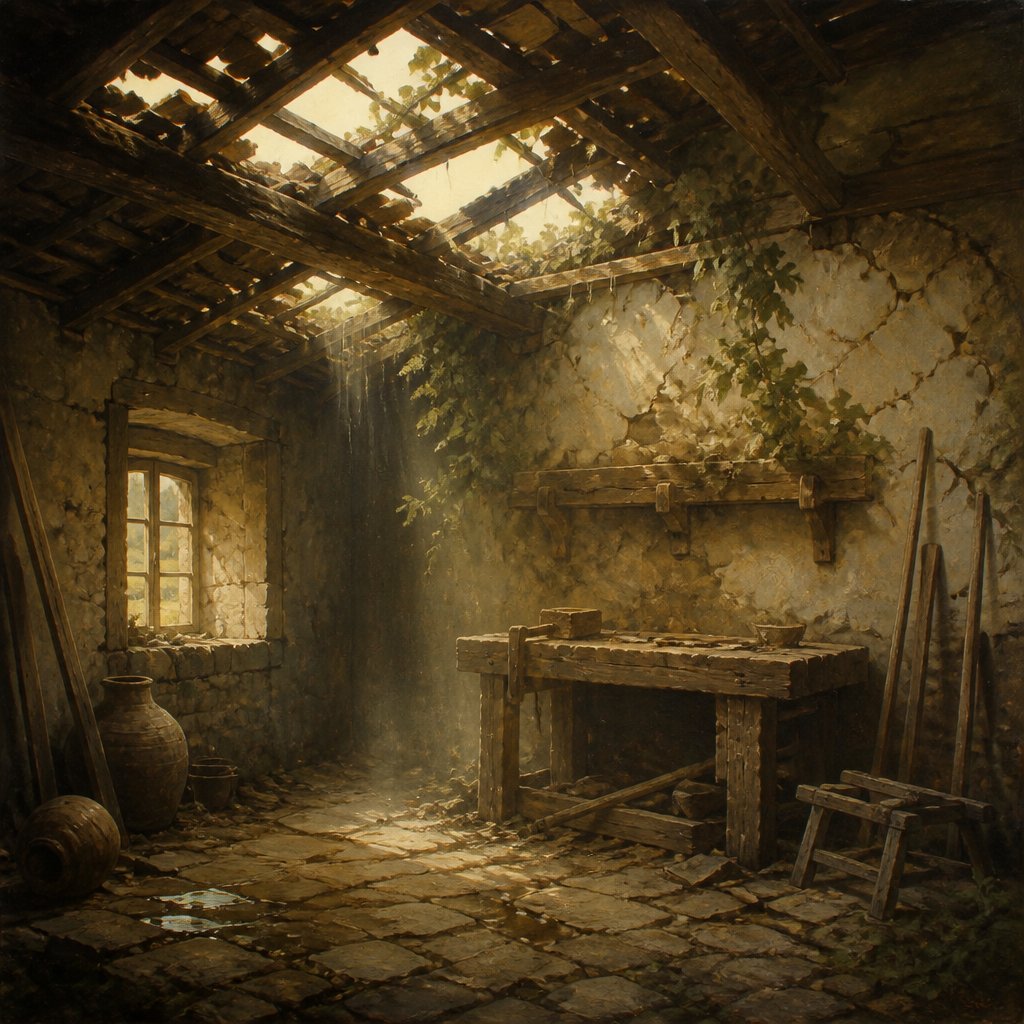
As we navigate through life, we often find ourselves caught in a whirlwind of responsibilities and obligations. In our busy lives, it can be all too easy to adopt a mindset of idleness, dismissing the importance of diligence and hard work. Ecclesiastes 10:18 provides a poignant reminder of the consequences of this tendency: "By much slothfulness the building decayeth; and through idleness of the hands the house droppeth through."
This verse speaks to the reality that neglecting our duties and becoming complacent can lead to deterioration—not just of physical structures but also within our lives, relationships, and spiritual walks. The imagery of a building decaying evokes a powerful picture of how neglect can manifest in our lives. When we become lethargic in our pursuits—whether in our work, our families, or our spiritual growth—we set ourselves up for failure and decay.
In this context, the "building" is a metaphor for our lives or our responsibilities. Each bit of effort we invest builds up the framework that sustains us. Conversely, slothfulness, which is a lack of diligence and care, allows weaknesses to set in and ultimately leads to decay. What begins as minor neglect can snowball into larger issues that may impact our overall well-being.
Moreover, the concept of "idleness of hands" reinforces the necessity of action in our lives. Hands symbolize our ability to work, to serve, and to create. When hands are idle, talents and opportunities remain untapped, and the potential we have to make positive changes is wasted. This idleness affects not only ourselves but also those around us. It can prevent us from serving others, building relationships, and fulfilling the calling God has placed on our lives.
The consequences of slothfulness can be observed in various aspects of life. Think about a relationship that is not nurtured; if left unattended, it can wither away, much like a plant starved of sunlight and water. Our spiritual lives, too, require active engagement. A lack of devotion to prayer, study of Scripture, and fellowship can lead to spiritual decay, making it more challenging to draw near to God. Consequently, while the physical house might droppeth through due to neglect, our spiritual homes are equally at risk without the maintenance they require.
Pressure-filled lives can create an environment where slothfulness thrives, often cloaking itself beneath the guise of “busy.” We justify our idleness by claiming we deserve a break, when, in truth, intentionality in our actions is what reveals a mature and faithful heart. Reflecting upon this truth, it becomes critical that we assess the areas in our lives where we might be allowing slothfulness to creep in. Are there tasks we’ve been avoiding? Relationships that we’ve neglected? Spiritual disciplines that we’ve set aside?
Instead of allowing slothfulness to dictate our lives, we are encouraged to cultivate habits of diligence and purpose. Such practices can include setting spiritual goals, being proactive in our relationships, and engaging consistently in work, no matter how mundane it may seem. The glory of work, whether in ministry, family, or personal pursuits, is that it reflects the image of God, who Himself is a worker. Our diligence honors Him and yields a fruitful harvest, blessing not only ourselves but also those around us.
As we move forward today, may we embrace the truth of Ecclesiastes 10:18. Let us commit to action over idleness and weave diligence into the fabric of our lives. In doing so, we build structures that will not only stand strong against turmoil but will ultimately serve as testaments to the power of a life imbued with purpose and the hand of God. Thus, let us build wisely, knowing that faithfulness in small things leads to blessings in greater realms.
Want to reflect more on Ecclesiastes 10:18?
Continue your spiritual journey with Bible Chat — an AI-powered tool for exploring God's Word through conversation. Ask questions, discover connections, and deepen your understanding.
Get Our Apps


Ecclesiastes 10:18 Artwork

Ecclesiastes 10:18 - "¶ By much slothfulness the building decayeth; and through idleness of the hands the house droppeth through."

"¶ By much slothfulness the building decayeth; and through idleness of the hands the house droppeth through." - Ecclesiastes 10:18

Ecclesiastes 1:18 - "For in much wisdom is much grief: and he that increaseth knowledge increaseth sorrow."

Ecclesiastes 10:10 - "If the iron be blunt, and he do not whet the edge, then must he put to more strength: but wisdom is profitable to direct."

Ecclesiastes 9:18 - "Wisdom is better than weapons of war: but one sinner destroyeth much good."

Ecclesiastes 10:6 - "Folly is set in great dignity, and the rich sit in low place."

Ecclesiastes 10:11 - "Surely the serpent will bite without enchantment; and a babbler is no better."

Ecclesiastes 10:19 - "¶ A feast is made for laughter, and wine maketh merry: but money answereth all things."

Ecclesiastes 10:13 - "The beginning of the words of his mouth is foolishness: and the end of his talk is mischievous madness."

Ecclesiastes 10:2 - "A wise man's heart is at his right hand; but a fool's heart at his left."

Ecclesiastes 10:12 - "The words of a wise man's mouth are gracious; but the lips of a fool will swallow up himself."

Ecclesiastes 10:5 - "There is an evil which I have seen under the sun, as an error which proceedeth from the ruler:"

Ecclesiastes 12:10 - "The preacher sought to find out acceptable words: and that which was written was upright, even words of truth."

Ecclesiastes 10:15 - "The labour of the foolish wearieth every one of them, because he knoweth not how to go to the city."

Ecclesiastes 10:7 - "I have seen servants upon horses, and princes walking as servants upon the earth."

Ecclesiastes 3:10 - "I have seen the travail, which God hath given to the sons of men to be exercised in it."

Ecclesiastes 3:18 - "I said in mine heart concerning the estate of the sons of men, that God might manifest them, and that they might see that they themselves are beasts."

Ecclesiastes 5:10 - "He that loveth silver shall not be satisfied with silver; nor he that loveth abundance with increase: this is also vanity."

Ecclesiastes 10:16 - "¶ Woe to thee, O land, when thy king is a child, and thy princes eat in the morning!"

Ecclesiastes 10:9 - "Whoso removeth stones shall be hurt therewith; and he that cleaveth wood shall be endangered thereby."

Ecclesiastes 10:8 - "He that diggeth a pit shall fall into it; and whoso breaketh an hedge, a serpent shall bite him."

Ecclesiastes 10:4 - "If the spirit of the ruler rise up against thee, leave not thy place; for yielding pacifieth great offences."

Ecclesiastes 1:10 - "Is there any thing whereof it may be said, See, this is new? it hath been already of old time, which was before us."

Ecclesiastes 7:10 - "Say not thou, What is the cause that the former days were better than these? for thou dost not enquire wisely concerning this."

Ecclesiastes 7:18 - "It is good that thou shouldest take hold of this; yea, also from this withdraw not thine hand: for he that feareth God shall come forth of them all."

"Surely the serpent will bite without enchantment; and a babbler is no better." - Ecclesiastes 10:11

Ecclesiastes 11:10 - "Therefore remove sorrow from thy heart, and put away evil from thy flesh: for childhood and youth are vanity."

Ecclesiastes 6:10 - "That which hath been is named already, and it is known that it is man: neither may he contend with him that is mightier than he."

Ecclesiastes 10:17 - "Blessed art thou, O land, when thy king is the son of nobles, and thy princes eat in due season, for strength, and not for drunkenness!"

"For in much wisdom is much grief: and he that increaseth knowledge increaseth sorrow." - Ecclesiastes 1:18