The Blessing of Wise Leadership
"Blessed art thou, O land, when thy king is the son of nobles, and thy princes eat in due season, for strength, and not for drunkenness!" - Ecclesiastes 10:17
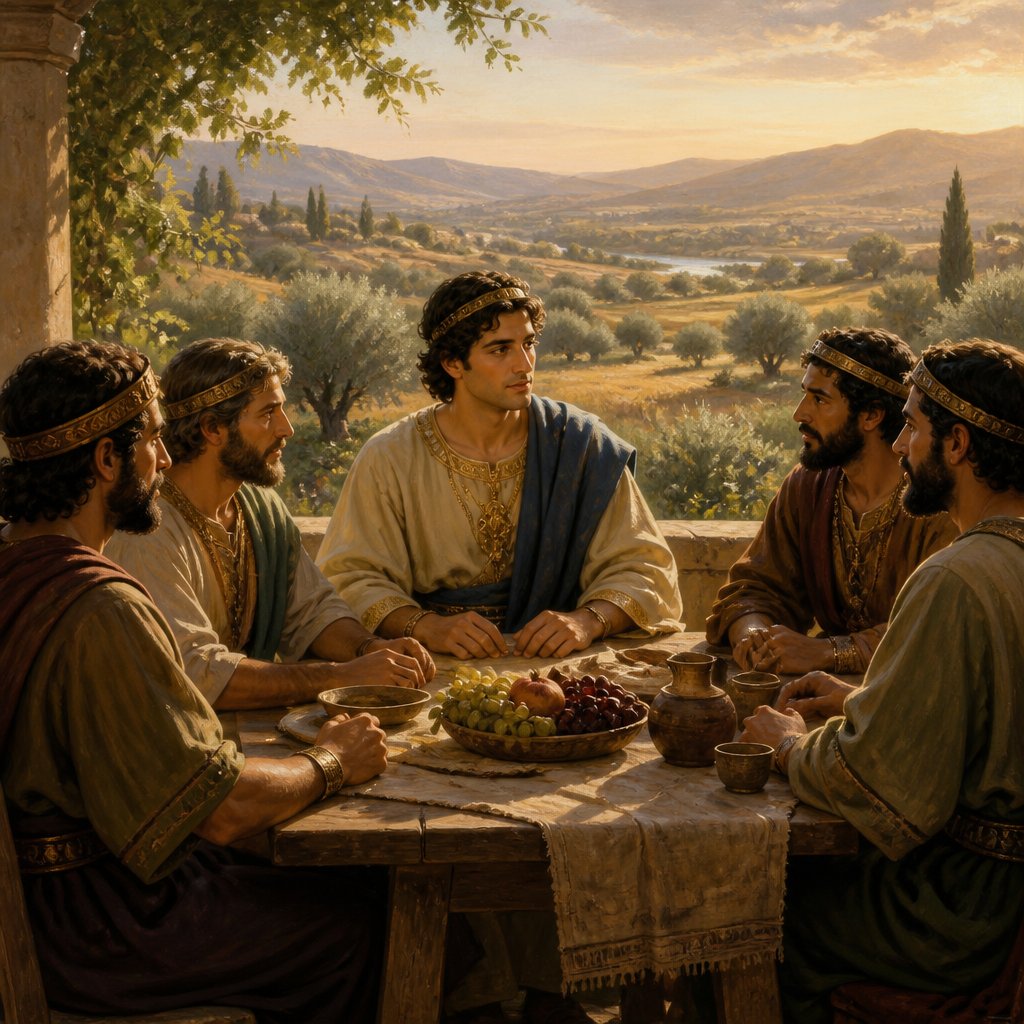
Ecclesiastes 10:17 in the King James Version reminds us, "Blessed art thou, O land, when thy king is the son of nobles, and thy princes eat in due season, for strength, and not for drunkenness!" This profound verse offers rich insight into the nature of leadership and the well-being of a nation. As we unpack its meaning, let us reflect on the characteristics of righteous leadership and the implications they have for our lives today.
First, consider the context of the verse. Ecclesiastes, attributed to King Solomon, serves as a philosophical book exploring the meaning of life. Much of its content emphasizes the importance of wisdom and the consequences of folly. In a world where many leaders can often be self-serving, Solomon's depiction of a king is striking and is a necessary corrective in our understanding of authority. A king who comes from noble lineage symbolizes a leader with inherited wisdom and virtues that tend to prioritize the welfare of his people over personal gratification. Truly, such a leader is a blessing to the land!
When the passage states, "when thy king is the son of nobles," it signifies the importance of heritage, virtue, and moral integrity. It suggests that leadership is not merely about political power but about character and the wisdom that often comes with generations of experience in governance. The noble lineage implies a continuity of leadership that values ethical standards, making decisions in the best interests of those governed, rather than succumbing to the temptations of power. The question for us today is: what kind of leaders are we electing, and what qualities do they possess? The health of a society is deeply tied to the moral compass of its leaders.
Next, Solomon points to the princes who "eat in due season, for strength, and not for drunkenness." This imagery illustrates the principle of moderation and purpose in consumption. In contrast to leaders who indulge recklessly, the reference to princes eating "for strength" speaks to a divine blessing upon measured and thoughtful choices. It evokes a picture of leaders who prioritize their responsibilities, seeking nourishment to sustain them in their roles rather than drowning in excess. This can be extrapolated into our daily lives: are we consuming our resources and opportunities wisely?
Applying this to our personal lives, we can foster an environment of blessing and strength, not just on a societal level but within our families, workplaces, and communities. We must cultivate self-control, wisdom, and fortitude to ensure that we are not marred by the indulgences that can lead to our downfall — just as unchecked drinking can lead princes to folly, so too can our distractions and excesses prevent us from fulfilling our God-given potential.
Finally, let us not forget the aspect of prayerfully considering our leaders. The health of a nation and the well-being of its people often rest on the shoulders of its leaders. In praying for those in positions of authority, we contribute to a more beneficial society. We should seek out and support individuals who embody the qualities presented in Ecclesiastes 10:17 — integrity, wisdom, and a heart for the people.
As we ponder Solomon's words, let us reflect on our own roles as leaders within our circles of influence. Whether in our families, churches, workplaces, or communities, we have the opportunity to lead by example. Let us govern our actions and decisions with wisdom, integrity, and a heart that seeks the well-being of others. Blessed is the land where such values flourish; may we strive to be such leaders in our context, bringing forth strength and blessing in every season.
Want to reflect more on Ecclesiastes 10:17?
Continue your spiritual journey with Bible Chat — an AI-powered tool for exploring God's Word through conversation. Ask questions, discover connections, and deepen your understanding.
Get Our Apps


Ecclesiastes 10:17 Artwork

Ecclesiastes 10:17 - "Blessed art thou, O land, when thy king is the son of nobles, and thy princes eat in due season, for strength, and not for drunkenness!"
"Blessed art thou, O land, when thy king is the son of nobles, and thy princes eat in due season, for strength, and not for drunkenness!" - Ecclesiastes 10:17

Ecclesiastes 10:10 - "If the iron be blunt, and he do not whet the edge, then must he put to more strength: but wisdom is profitable to direct."

Ecclesiastes 10:6 - "Folly is set in great dignity, and the rich sit in low place."

Ecclesiastes 10:11 - "Surely the serpent will bite without enchantment; and a babbler is no better."

Ecclesiastes 7:17 - "Be not over much wicked, neither be thou foolish: why shouldest thou die before thy time?"

Ecclesiastes 9:17 - "The words of wise men are heard in quiet more than the cry of him that ruleth among fools."

Ecclesiastes 10:18 - "¶ By much slothfulness the building decayeth; and through idleness of the hands the house droppeth through."

Ecclesiastes 10:19 - "¶ A feast is made for laughter, and wine maketh merry: but money answereth all things."

Ecclesiastes 3:17 - "I said in mine heart, God shall judge the righteous and the wicked: for there is a time there for every purpose and for every work."

Ecclesiastes 5:17 - "All his days also he eateth in darkness, and he hath much sorrow and wrath with his sickness."

Ecclesiastes 10:12 - "The words of a wise man's mouth are gracious; but the lips of a fool will swallow up himself."

Ecclesiastes 10:13 - "The beginning of the words of his mouth is foolishness: and the end of his talk is mischievous madness."

Ecclesiastes 10:2 - "A wise man's heart is at his right hand; but a fool's heart at his left."

Ecclesiastes 1:17 - "And I gave my heart to know wisdom, and to know madness and folly: I perceived that this also is vexation of spirit."

Ecclesiastes 10:5 - "There is an evil which I have seen under the sun, as an error which proceedeth from the ruler:"

Ecclesiastes 12:10 - "The preacher sought to find out acceptable words: and that which was written was upright, even words of truth."

Ecclesiastes 10:15 - "The labour of the foolish wearieth every one of them, because he knoweth not how to go to the city."

Ecclesiastes 10:7 - "I have seen servants upon horses, and princes walking as servants upon the earth."

Ecclesiastes 3:10 - "I have seen the travail, which God hath given to the sons of men to be exercised in it."

Ecclesiastes 5:10 - "He that loveth silver shall not be satisfied with silver; nor he that loveth abundance with increase: this is also vanity."

Ecclesiastes 10:16 - "¶ Woe to thee, O land, when thy king is a child, and thy princes eat in the morning!"

Ecclesiastes 10:8 - "He that diggeth a pit shall fall into it; and whoso breaketh an hedge, a serpent shall bite him."

Ecclesiastes 10:9 - "Whoso removeth stones shall be hurt therewith; and he that cleaveth wood shall be endangered thereby."

Ecclesiastes 2:17 - "Therefore I hated life; because the work that is wrought under the sun is grievous unto me: for all is vanity and vexation of spirit."

Ecclesiastes 10:4 - "If the spirit of the ruler rise up against thee, leave not thy place; for yielding pacifieth great offences."

Ecclesiastes 1:10 - "Is there any thing whereof it may be said, See, this is new? it hath been already of old time, which was before us."

Ecclesiastes 7:10 - "Say not thou, What is the cause that the former days were better than these? for thou dost not enquire wisely concerning this."

"Surely the serpent will bite without enchantment; and a babbler is no better." - Ecclesiastes 10:11

Ecclesiastes 11:10 - "Therefore remove sorrow from thy heart, and put away evil from thy flesh: for childhood and youth are vanity."