The Call to Obedience: Embracing God’s Statutes and Judgments
"And Moses called all Israel, and said unto them, Hear, O Israel, the statutes and judgments which I speak in your ears this day, that ye may learn them, and keep, and do them." - Deuteronomy 5:1
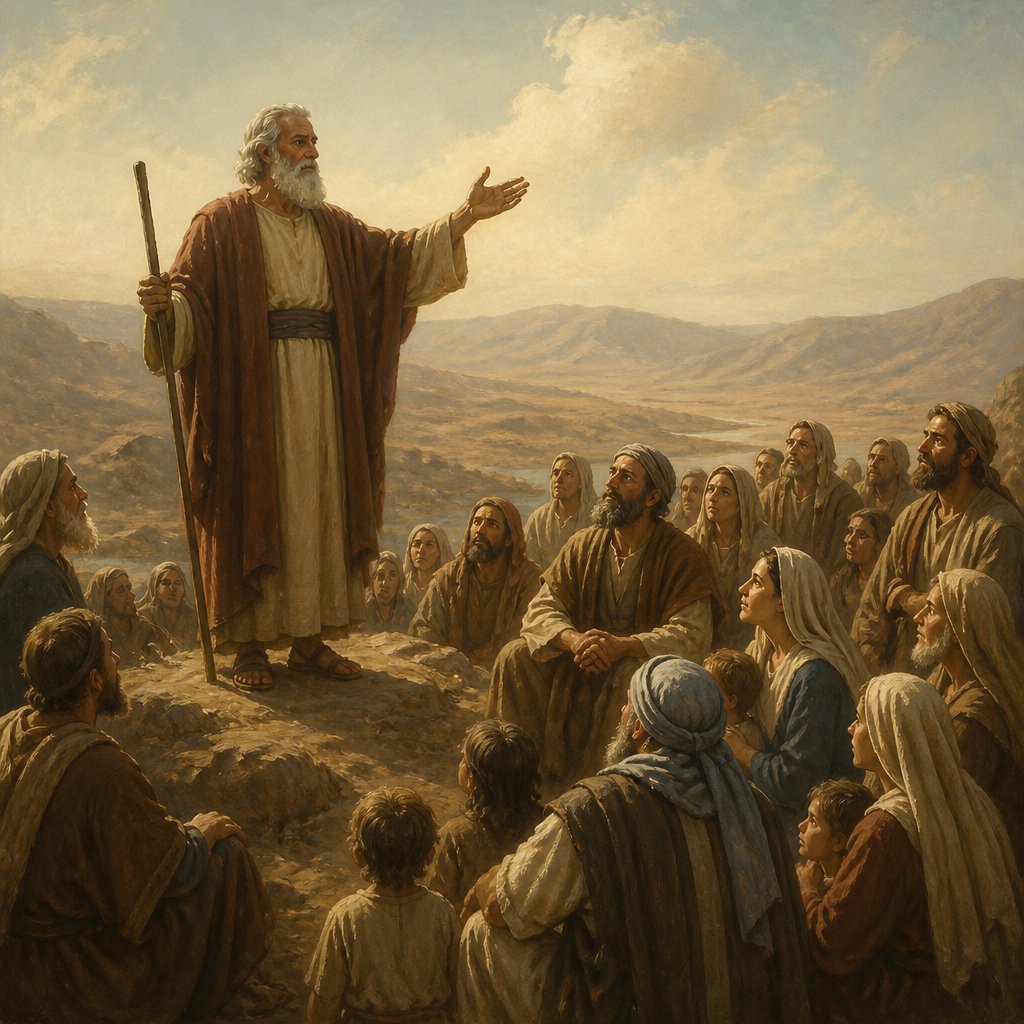
In Deuteronomy 5:1, we find a significant moment in the journey of Israel: "And Moses called all Israel, and said unto them, Hear, O Israel, the statutes and judgments which I speak in your ears this day, that ye may learn them, and keep, and do them." This poignant directive from Moses encapsulates the heart of God’s covenant with His people, emphasizing the importance of listening to His word, understanding it, and translating that understanding into action.
Moses's call to attention is not just a mere invitation to listen; it is a summons to engage deeply with what God has declared. The use of the phrase "Hear, O Israel" signifies more than just auditory reception; it calls for a heart posture that is open and ready to receive divine wisdom. Hearing implies an attentiveness that leads to learning. In our own lives, how often do we truly engage with God’s word? In an age saturated with distractions, the call to hear becomes a reminder to carve out intentional time to sit before God and His scriptures. It’s an invitation to quiet our minds and hearts and truly absorb the truth that God wants us to know.
The terms "statutes and judgments" reflect the essence of God’s law. Statutes denote the prescribed norms and practices meant to shape the behavior of the community, while judgments refer to the decisions made as a result of those laws. Together, they form the ethical framework within which the people of God are to operate. This underscores the reality that God is not a distant figure merely handing down rules; He is actively involved in guiding His people toward lives characterized by justice, mercy, and righteousness.
As Moses continues, he embodies the role of a mediator, passionately delivering the word of God to the Israelites. It’s crucial to note that this is a communal address, highlighting the collective responsibility of the community to understand and uphold these statutes. In much the same way, the church today is called to embrace biblical teachings together. We grow as we share insights and revelations from scripture, holding one another accountable to the truth of God’s word.
The latter part of the verse instructs the Israelites to "learn them, and keep, and do them." Here, we see a progression: learning leads to keeping, which culminates in doing. First, we must seek to understand God’s commandments, which means not just passively reading but actively studying and examining the implications of His word. Once we’ve learned, we are called to "keep" these statutes, suggesting a commitment that goes beyond mere acknowledgment; it denotes an internalization, a deep-seated conviction about living out God’s truth. Finally, the call to "do" them emphasizes action – that our faith manifests itself in works that reflect our obedience to God.
For us today, this verse serves as a vital reminder of the importance of God’s word in our lives. We are not simply hearers of the word; we are to be doers as well. The New Testament echoes this in James 1:22: "But be ye doers of the word, and not hearers only, deceiving your own selves." The interconnectedness of hearing, learning, keeping, and doing establishes a holistic approach to our discipleship.
As we meditate on Deuteronomy 5:1, let us ask ourselves: Are we truly listening to God? Are we engaging with His statutes, understanding their significance, and implementing them in our daily lives? Let us heed the call of Moses today, as it invites us to a deeper relationship with God, one that transforms not just our hearts but also our actions as we strive to embody His love and truth in a world desperately in need of both.
In the quiet moments of devotion, let us pray for understanding and strength, that we may not only hear but also learn, keep, and do the wonderful statutes of our Lord, bringing glory to His name in all we endeavor.
Want to reflect more on Deuteronomy 5:1?
Continue your spiritual journey with Bible Chat — an AI-powered tool for exploring God's Word through conversation. Ask questions, discover connections, and deepen your understanding.
Get Our Apps


Deuteronomy 5:1 Artwork

Deuteronomy 5:1 - "And Moses called all Israel, and said unto them, Hear, O Israel, the statutes and judgments which I speak in your ears this day, that ye may learn them, and keep, and do them."
"And Moses called all Israel, and said unto them, Hear, O Israel, the statutes and judgments which I speak in your ears this day, that ye may learn them, and keep, and do them." - Deuteronomy 5:1

Deuteronomy 1:5 - "On this side Jordan, in the land of Moab, began Moses to declare this law, saying,"
"On this side Jordan, in the land of Moab, began Moses to declare this law, saying," - Deuteronomy 1:5

Deuteronomy 5:17 - "Thou shalt not kill."

Deuteronomy 34:5-6

Deuteronomy 5:19 - "Neither shalt thou steal."

Deuteronomy 5:18 - "Neither shalt thou commit adultery."

Deuteronomy 28:5 - "Blessed shall be thy basket and thy store."

Deuteronomy 5:2 - "The LORD our God made a covenant with us in Horeb."

Deuteronomy 5:30 - "Go say to them, Get you into your tents again."

"Thou shalt not kill." - Deuteronomy 5:17

Deuteronomy 5:7 - "Thou shalt have none other gods before me."

Deuteronomy 5:13 - "Six days thou shalt labour, and do all thy work:"

Deuteronomy 5:5 - "(I stood between the LORD and you at that time, to shew you the word of the LORD: for ye were afraid by reason of the fire, and went not up into the mount;) saying,"

Deuteronomy 5:20 - "Neither shalt thou bear false witness against thy neighbour."

Deuteronomy 5:4 - "The LORD talked with you face to face in the mount out of the midst of the fire,"

Deuteronomy 32:5 - "They have corrupted themselves, their spot is not the spot of his children: they are a perverse and crooked generation."

Deuteronomy 14:5 - "The hart, and the roebuck, and the fallow deer, and the wild goat, and the pygarg, and the wild ox, and the chamois."

Deuteronomy 5:10 - "And shewing mercy unto thousands of them that love me and keep my commandments."

Deuteronomy 5:12 - "Keep the sabbath day to sanctify it, as the LORD thy God hath commanded thee."

Deuteronomy 11:5 - "And what he did unto you in the wilderness, until ye came into this place;"

Deuteronomy 34:5 - "¶ So Moses the servant of the LORD died there in the land of Moab, according to the word of the LORD."

"Neither shalt thou steal." - Deuteronomy 5:19

Deuteronomy 33:5 - "And he was king in Jeshurun, when the heads of the people and the tribes of Israel were gathered together."

"Neither shalt thou commit adultery." - Deuteronomy 5:18

Deuteronomy 3:5 - "All these cities were fenced with high walls, gates, and bars; beside unwalled towns a great many."

Deuteronomy 32:41

Deuteronomy 5:3 - "The LORD made not this covenant with our fathers, but with us, even us, who are all of us here alive this day."

Deuteronomy 32:43