Guarding the Integrity of God’s Word
"Ye shall not add unto the word which I command you, neither shall ye diminish ought from it, that ye may keep the commandments of the LORD your God which I command you." - Deuteronomy 4:2
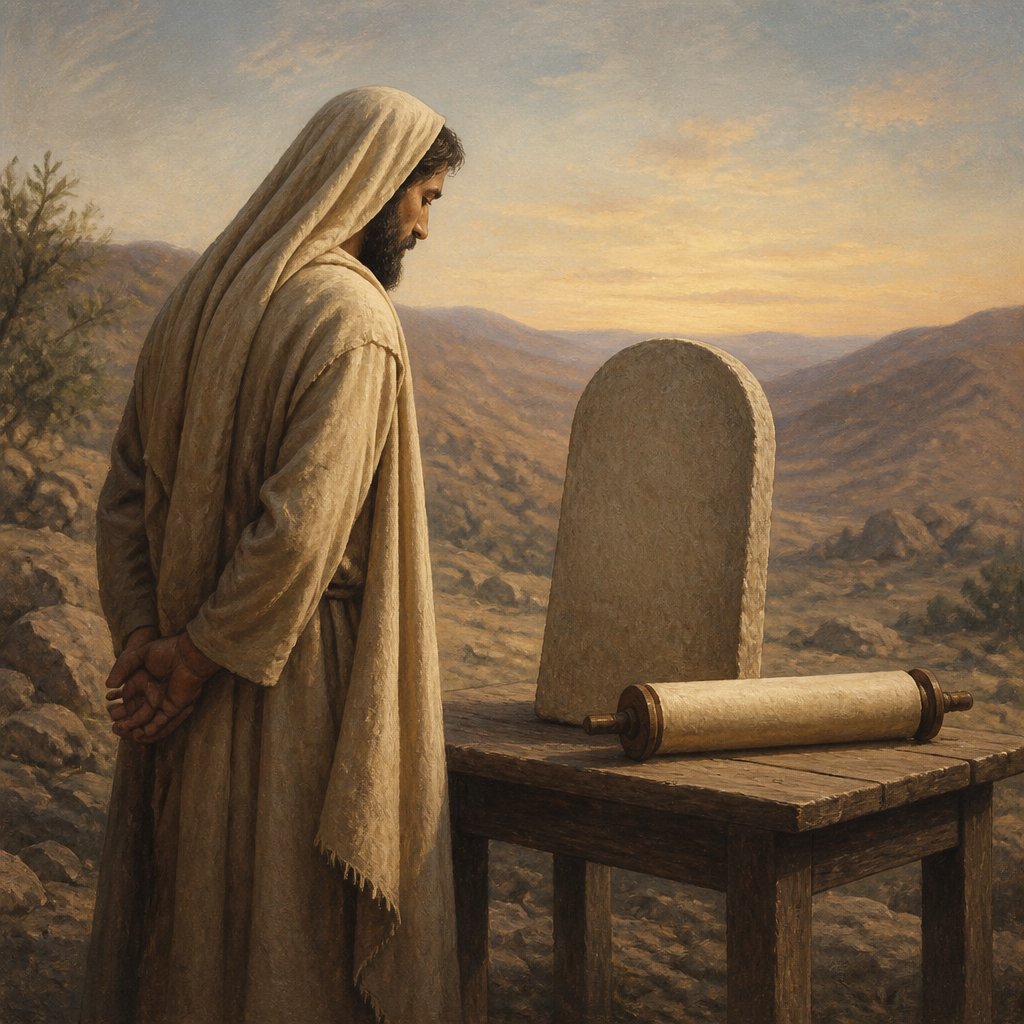
In Deuteronomy 4:2, we find a powerful directive meant to guide the Israelites, and by extension, all believers today. The verse reads: "Ye shall not add unto the word which I command you, neither shall ye diminish ought from it, that ye may keep the commandments of the LORD your God which I command you." This instruction carries profound implications concerning how we engage with Scripture, the heart of God’s covenant, and the essence of our faith.
Firstly, this verse highlights the sanctity and sufficiency of God’s Word. When Moses spoke these words on the plains of Moab, he was reiterating the importance of adhering strictly to the laws and commandments given by God. Such commands symbolize more than mere codes of conduct; they embody the character and will of God Himself. The call not to add or subtract from them emphasizes the gravity with which we should treat God’s revelations. In our current age, where interpretations and opinions often seek to override Scripture, the reminder that God’s Word stands in its original context is crucial.
Understanding the reasons behind these restrictions is key to embracing them. When Moses says, "Ye shall not add unto the word... neither shall ye diminish ought from it," he is not merely issuing a guideline; he is safeguarding the community from dilution or distortion of God’s truth. Adding to God’s commands could lead to legalism or create a barrier between God and His people, while diminishing them risks undermining His authority and the standards He has set. Both pathways can lead believers astray, breeding confusion and disobedience in a heart that is meant to be in tune with the Lord.
One could ask why this caution is necessary? The answer lies in the nature of mankind and the tendency to mold God’s Word into a more palatable form that conforms to personal desires or societal norms. This tendency reflects a lack of trust in God’s wisdom and a misunderstanding of His intentions for our lives. As believers, we must strive to trust that God’s commands are perfect, suited for our benefit and His glory. When we face challenges, those commands serve as a source of comfort and guidance. They remind us that we are finite beings, and only God knows the full scope of our lives—past, present, and future.
Moreover, this commandment steers us toward an attitude of humility and reverence. In an era marked by information overload, the danger of questioning or diminishing God’s Word increases. We live in a time when questioning authority is commonplace; however, we need to confront that secular perspective by adopting a posture of submission to divine truth. When we approach Scripture with openness and teachability, we are inviting the Holy Spirit to illuminate our understanding and enable us to live by the principles within.
Practically speaking, the directive here builds a healthy boundary for our spiritual development. When we engage with the Word, may we strive to understand it in its fullness, not cherry-picking verses that suit our narratives, but wrestling with the entirety of God’s revelation. In doing so, we align ourselves with God's eternal purpose for humanity and our precise role within it. Our commitment culminates in keeping His commandments, not as a weighty task but as an expression of love—the love we return to Him because He first loved us (1 John 4:19).
Lastly, let us consider the urgency in this command. Moses emphasizes that this is not just for individual believers but for the community as a whole. When a group of believers adheres to the full counsel of God’s Word, they cultivate an environment characterized by authenticity, unity, and spiritual vitality. The stakes are high; our sensitivities to God’s commands can influence generations to come.
As we meditate on Deuteronomy 4:2, let it serve as a reminder to honor the integrity of God’s Word. Commit to studying it diligently, following its wisdom faithfully, and living out its truths unreservedly. In doing so, we not only fulfill God’s command but also experience the profound blessings that flow from walking in His light.
Want to reflect more on Deuteronomy 4:2?
Continue your spiritual journey with Bible Chat — an AI-powered tool for exploring God's Word through conversation. Ask questions, discover connections, and deepen your understanding.
Get Our Apps


Deuteronomy 4:2 Artwork

Deuteronomy 4:2 - "Ye shall not add unto the word which I command you, neither shall ye diminish ought from it, that ye may keep the commandments of the LORD your God which I command you."
"Ye shall not add unto the word which I command you, neither shall ye diminish ought from it, that ye may keep the commandments of the LORD your God which I command you." - Deuteronomy 4:2

Deuteronomy 26:4-10

Deuteronomy 2:4 - "And command thou the people, saying, Ye are to pass through the coast of your brethren the children of Esau, which dwell in Seir; and they shall be afraid of you: take ye good heed unto yourselves therefore:"

Deuteronomy 26:4-10

Deuteronomy 4:4 - "But ye that did cleave unto the LORD your God are alive every one of you this day."

Deuteronomy 34:1-4 – Moses views the Promised Land from Mount Nebo.

Deuteronomy 34:1-4 – Moses views the Promised Land from Mount Nebo.

Deuteronomy 34:1-4 – Moses views the Promised Land from Mount Nebo.

Deuteronomy 2:2 - "And the LORD spake unto me, saying,"

Deuteronomy 4:44 - "¶ And this is the law which Moses set before the children of Israel:"

Deuteronomy 33:4 - "Moses commanded us a law, even the inheritance of the congregation of Jacob."

Deuteronomy 12:4 - "Ye shall not do so unto the LORD your God."

Deuteronomy 34:1-4 – Moses views the Promised Land from Mount Nebo.

Deuteronomy 6:4 - "Hear, O Israel: The LORD our God is one LORD:"

Deuteronomy 34:1-4 – Moses views the Promised Land from Mount Nebo.

Deuteronomy 4:24 - "For the LORD thy God is a consuming fire, even a jealous God."

Deuteronomy 34:1-4 – Moses views the Promised Land from Mount Nebo.

Deuteronomy 34:1-4 – Moses views the Promised Land from Mount Nebo.

Deuteronomy 4:41 - "¶ Then Moses severed three cities on this side Jordan toward the sunrising;"

Deuteronomy 14:4 - "These are the beasts which ye shall eat: the ox, the sheep, and the goat,"

Deuteronomy 25:4 - "¶ Thou shalt not muzzle the ox when he treadeth out the corn."

Deuteronomy 5:4 - "The LORD talked with you face to face in the mount out of the midst of the fire,"

Deuteronomy 4:17 - "The likeness of any beast that is on the earth, the likeness of any winged fowl that flieth in the air,"

Deuteronomy 4:18 - "The likeness of any thing that creepeth on the ground, the likeness of any fish that is in the waters beneath the earth:"

Deuteronomy 4:48 - "From Aroer, which is by the bank of the river Arnon, even unto mount Sion, which is Hermon,"

Deuteronomy 2:17 - "That the LORD spake unto me, saying,"

Deuteronomy 4:49 - "And all the plain on this side Jordan eastward, even unto the sea of the plain, under the springs of Pisgah."

Deuteronomy 4:43 - "Namely, Bezer in the wilderness, in the plain country, of the Reubenites; and Ramoth in Gilead, of the Gadites; and Golan in Bashan, of the Manassites."

Deuteronomy 20:4 - "For the LORD your God is he that goeth with you, to fight for you against your enemies, to save you."