Teaching the Statutes of the Lord: A Path to Possession
"¶ And the LORD commanded me at that time to teach you statutes and judgments, that ye might do them in the land whither ye go over to possess it." - Deuteronomy 4:14
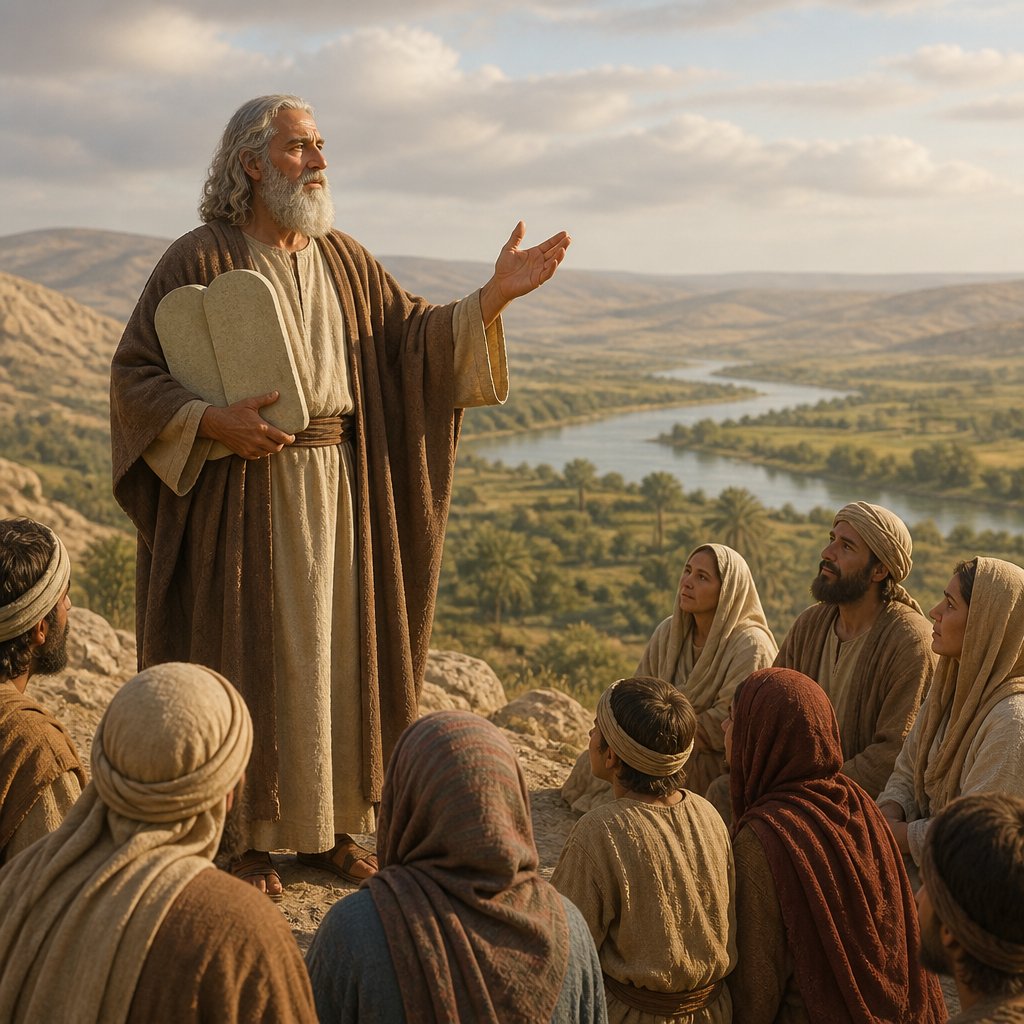
In Deuteronomy 4:14, we encounter a powerful directive from God through Moses: "And the LORD commanded me at that time to teach you statutes and judgments, that ye might do them in the land whither ye go over to possess it." This moment captures a significant transition for the Israelites, a pivotal point in their journey from slavery in Egypt to freedom in the Promised Land. Here, God emphasizes the importance of His laws, not merely as a set of restrictions but as a transformative guide for their lives.
To fully appreciate this exhortation, we must consider the context in which it was given. The Israelites were on the brink of entering a new land – one that was rife with challenges but also filled with opportunities. God understood that as they stepped into this foreign territory, they would be faced with the temptation to abandon His ways and instead adopt the practices of the nations around them. Thus, He entrusted Moses with the solemn duty of imparting His statutes and judgments. This was not just about rules; it was about identity, purpose, and divine favor.
The phrase "statutes and judgments" can be understood further. Statutes refer to laws established by God, reflecting His righteous character. They outline the moral and societal ethical standards He desires His followers to uphold. On the other hand, judgments pertain to pronouncements of justice and fairness, ensuring that the community lives in harmony and upholds one another’s rights. These directives serve as a foundation for just living in community and a way to represent God’s holy character to the world.
As we reflect on this verse today, we are reminded of our own journey. Like the Israelites, we are also in a process of moving towards our own 'Promised Lands' – the places where God has called us to thrive and serve. In our own lives, this might mean different things: establishing healthy relationships, pursuing our careers, or raising families in a way that honors God. In all of these pursuits, we are called to abide by the same statutes and judgments that God gave to His people long ago.
Importantly, we see that God’s commandments come with a purpose: "that ye might do them in the land whither ye go over to possess it." The Lord is concerned with our actions and how we conduct ourselves in the world. The practice of His statutes ensures that we not only experience His blessings but also become vessels through which His goodness can flow into others’ lives. When we live according to God’s ways, we reflect His glory, and in turn, we are equipped to take possession of our God-given inheritance.
Yet, as we journey on, we must remain vigilant. The temptations that confronted the Israelites are not that different from those we face today. The world offers alternatives that often appear more attractive than following God's commands. How easily can our focus shift from divine statutes to societal norms? This is why continual teaching, learning, and application of God’s Word is essential. We must be intentional about immersing ourselves in Scripture, allowing it to guide our decisions and shape our worldview.
As we engage with God's statutes, we also receive the promise of His presence and provision. He affirms that as we seek to live according to His righteous standards, He will be with us in our endeavors. When we abide by His teachings, we are not only ensured of His blessings in our lives but also empowered to be agents of change in a world desperately in need of His love and justice.
In practical terms, let us commit ourselves to studying God's Word, seeking out His statutes and judgments with joy and sincerity. Let us gather together in community, sharing our insights and struggles. Let us encourage one another to live out these biblical truths, so that we might pave a way for future generations to walk in the same divine truth.
May we take to heart the command of the Lord through Moses and strive to internalize His statutes so that we may fully possess the abundant life He has promised.
Want to reflect more on Deuteronomy 4:14?
Continue your spiritual journey with Bible Chat — an AI-powered tool for exploring God's Word through conversation. Ask questions, discover connections, and deepen your understanding.
Get Our Apps


Deuteronomy 4:14 Artwork

Deuteronomy 4:14 - "¶ And the LORD commanded me at that time to teach you statutes and judgments, that ye might do them in the land whither ye go over to possess it."
"¶ And the LORD commanded me at that time to teach you statutes and judgments, that ye might do them in the land whither ye go over to possess it." - Deuteronomy 4:14

Deuteronomy 14:4 - "These are the beasts which ye shall eat: the ox, the sheep, and the goat,"
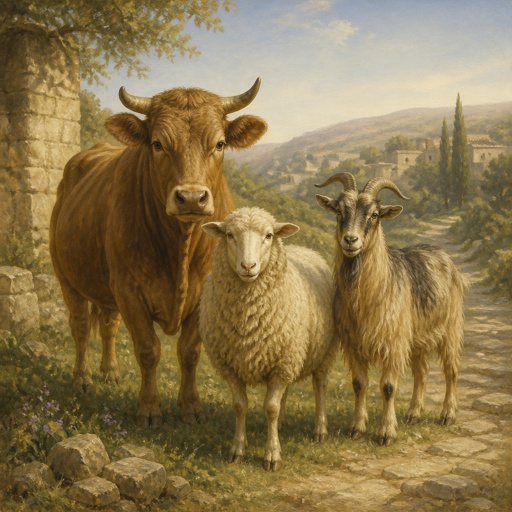
"These are the beasts which ye shall eat: the ox, the sheep, and the goat," - Deuteronomy 14:4

Deuteronomy 14:14 - "And every raven after his kind,"

Deuteronomy 14:17 - "And the pelican, and the gier eagle, and the cormorant,"

"And every raven after his kind," - Deuteronomy 14:14

Deuteronomy 14:16 - "The little owl, and the great owl, and the swan,"

Deuteronomy 14:3 - "¶ Thou shalt not eat any abominable thing."

Deuteronomy 14:11 - "¶ Of all clean birds ye shall eat."

Deuteronomy 14:20 - "But of all clean fowls ye may eat."

Deuteronomy 14:13 - "And the glede, and the kite, and the vulture after his kind,"

Deuteronomy 14:18 - "And the stork, and the heron after her kind, and the lapwing, and the bat."

Deuteronomy 14:12 - "But these are they of which ye shall not eat: the eagle, and the ossifrage, and the ospray,"

Deuteronomy 26:4-10

Deuteronomy 14:15 - "And the owl, and the night hawk, and the cuckow, and the hawk after his kind,"

Deuteronomy 29:14 - "Neither with you only do I make this covenant and this oath;"

Deuteronomy 26:4-10

Deuteronomy 4:4 - "But ye that did cleave unto the LORD your God are alive every one of you this day."

Deuteronomy 14:19 - "And every creeping thing that flieth is unclean unto you: they shall not be eaten."

Deuteronomy 25:14 - "Thou shalt not have in thine house divers measures, a great and a small."

"And the pelican, and the gier eagle, and the cormorant," - Deuteronomy 14:17

Deuteronomy 27:14 - "¶ And the Levites shall speak, and say unto all the men of Israel with a loud voice,"

Deuteronomy 14:10 - "And whatsoever hath not fins and scales ye may not eat; it is unclean unto you."

Deuteronomy 14:5 - "The hart, and the roebuck, and the fallow deer, and the wild goat, and the pygarg, and the wild ox, and the chamois."

Deuteronomy 33:14 - "And for the precious fruits brought forth by the sun, and for the precious things put forth by the moon,"

Deuteronomy 34:1-4 – Moses views the Promised Land from Mount Nebo.

Deuteronomy 34:1-4 – Moses views the Promised Land from Mount Nebo.

Deuteronomy 34:1-4 – Moses views the Promised Land from Mount Nebo.

Deuteronomy 10:14 - "Behold, the heaven and the heaven of heavens is the LORD'S thy God, the earth also, with all that therein is."