The Legacy of Signs and Wonders: Reflecting on Deuteronomy 34:11
"In all the signs and the wonders, which the LORD sent him to do in the land of Egypt to Pharaoh, and to all his servants, and to all his land," - Deuteronomy 34:11
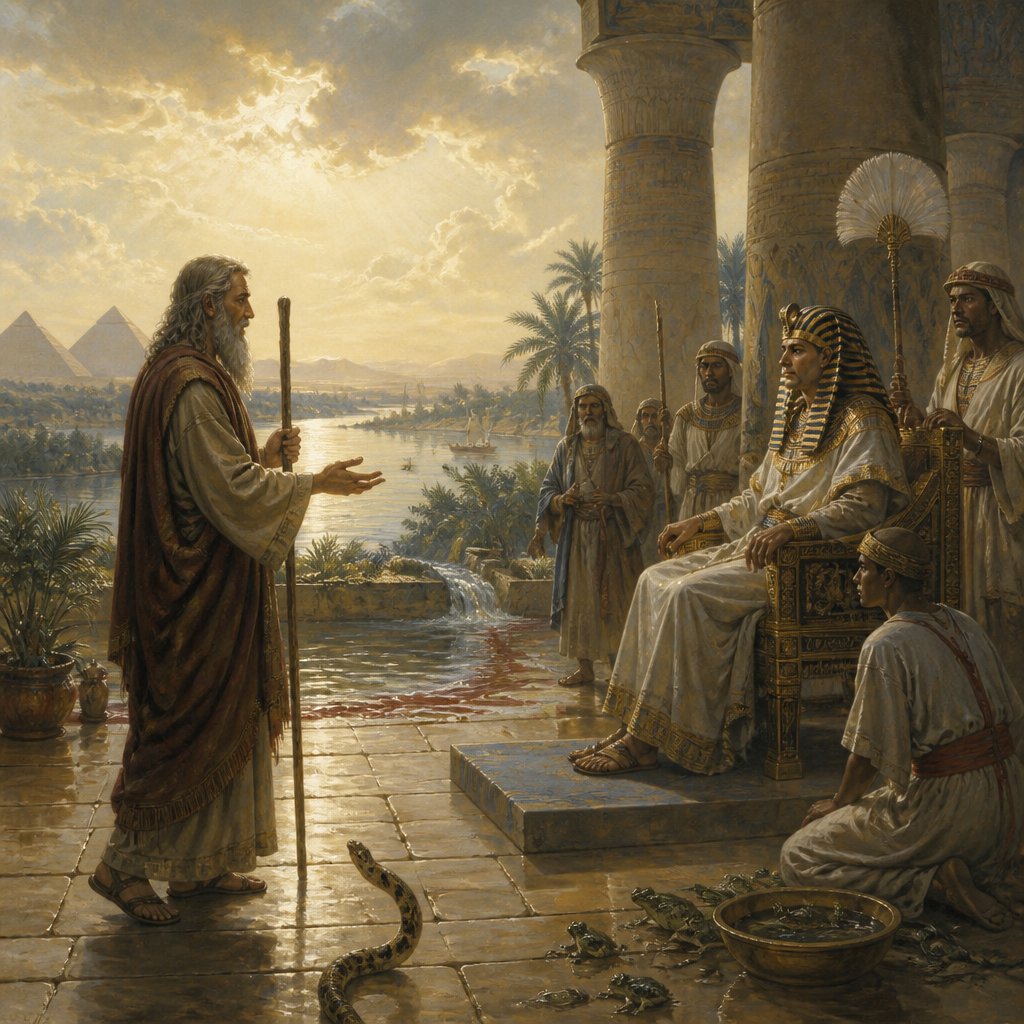
As we delve into the profound words of Deuteronomy 34:11, “In all the signs and the wonders, which the LORD sent him to do in the land of Egypt to Pharaoh, and to all his servants, and to all his land,” we are reminded of the awe-inspiring narrative of God's intervention in human history through His servant Moses. This passage highlights not only the miraculous events that transpired in Egypt but also serves as a potent reminder of God’s sovereignty, power, and the responsibility of His chosen leaders.
Moses, often revered as one of the greatest prophets of the Bible, was entrusted with a monumental task—leading the Israelites out of slavery in Egypt. The signs and wonders mentioned here are an acknowledgment of the miraculous power that God used through Moses to free His people. Each miraculous sign, from the plagues that struck Egypt to the parting of the Red Sea, was not merely an act of divine intervention but a testament to God’s faithfulness to His covenant with His people.
Consider the significance of signs and wonders in the biblical narrative. Throughout Scripture, they serve as a means of affirming God's presence and establishing His authority. In Egypt, for instance, the plagues were not random acts of chaos but carefully orchestrated signs meant to demonstrate the futility of the Egyptian gods against the power of the one true God. Each sign was a direct challenge to the pagan beliefs that held sway over the hearts and minds of the Egyptians. It was a way through which God declared, "I am the LORD, and there is none else."
This passage teaches us about the nature of God’s calls and commands. When God sends us into the world, He equips us with what we need to accomplish His will. Moses didn’t perform these miraculous signs through his own strength; he was simply a vessel. God’s wonders are often worked through the weak and the lowly, reminding us that His power is made perfect in our weakness (2 Corinthians 12:9). When we feel inadequate or ill-equipped to follow God’s calling, we should remember that it is not about our ability but about our availability and obedience. God desires to use us despite our flaws, fears, and failures.
Moreover, the context of this verse underscores a critical aspect of our relationship with God—obedience to His command. Moses’ signs and wonders were a response to God’s directive. This speaks volumes about our part in the divine narrative. Are we listening to God’s voice? Are we acting according to His commands? The effectiveness of our service is contingent upon our willingness to submit to God’s leading.
As we reflect on Moses’ legacy signified in Deuteronomy 34:11, we should also examine our own lives. What “signs and wonders” has God placed within your reach? How are you responding to the divine urgencies in your life? In our walk of faith, we are called to participate in the unfolding story of God’s miraculous work in our lives and in the world around us.
Let us moreover take heed of the impact our lives have on those around us. Just as Moses’ signs were meant for Pharaoh, his servants, and all of Egypt, the actions we take today resonate far beyond our immediate sphere. They serve as a testimony of God’s faithfulness and power. As we live out our faith and allow God’s wonders to manifest through us, we become a beacon of hope and light in a dark world.
In conclusion, Deuteronomy 34:11 reminds Christians that the signs and wonders we experience are deeply intertwined with our relationship with God. Engaging with the divine takes us beyond a simple understanding of Scripture into the realm of active participation in God's plan. We serve a God who still performs wonders today through His people. Let us be open to Him, ready to witness and partake in the miraculous, always aware that in all things, it is the Lord who sends us.
Want to reflect more on Deuteronomy 34:11?
Continue your spiritual journey with Bible Chat — an AI-powered tool for exploring God's Word through conversation. Ask questions, discover connections, and deepen your understanding.
Get Our Apps


Deuteronomy 34:11 Artwork

Deuteronomy 34:11 - "In all the signs and the wonders, which the LORD sent him to do in the land of Egypt to Pharaoh, and to all his servants, and to all his land,"
"In all the signs and the wonders, which the LORD sent him to do in the land of Egypt to Pharaoh, and to all his servants, and to all his land," - Deuteronomy 34:11

Deuteronomy 34:5-6

Deuteronomy 34:1-4 – Moses views the Promised Land from Mount Nebo.

Deuteronomy 34:1-4 – Moses views the Promised Land from Mount Nebo.

Deuteronomy 34:1-4 – Moses views the Promised Land from Mount Nebo.

Deuteronomy 1:34 - "And the LORD heard the voice of your words, and was wroth, and sware, saying,"

Deuteronomy 34:1-4 – Moses views the Promised Land from Mount Nebo.

Deuteronomy 34:1-4 – Moses views the Promised Land from Mount Nebo.

Deuteronomy 34:3 - "And the south, and the plain of the valley of Jericho, the city of palm trees, unto Zoar."

Deuteronomy 34:1-4 – Moses views the Promised Land from Mount Nebo.

Deuteronomy 34:1-4 – Moses views the Promised Land from Mount Nebo.

Deuteronomy 32:34 - "Is not this laid up in store with me, and sealed up among my treasures?"

Deuteronomy 34:5 - "¶ So Moses the servant of the LORD died there in the land of Moab, according to the word of the LORD."

Deuteronomy 34:10 - "¶ And there arose not a prophet since in Israel like unto Moses, whom the LORD knew face to face,"

Deuteronomy 34:2 - "And all Naphtali, and the land of Ephraim, and Manasseh, and all the land of Judah, unto the utmost sea,"

Deuteronomy 28:34 - "So that thou shalt be mad for the sight of thine eyes which thou shalt see."

Nehemiah 11:34 - "Hadid, Zeboim, Neballat,"

Deuteronomy 34:12 - "And in all that mighty hand, and in all the great terror which Moses shewed in the sight of all Israel."

Deuteronomy 34:8 - "¶ And the children of Israel wept for Moses in the plains of Moab thirty days: so the days of weeping and mourning for Moses were ended."

Deuteronomy 34:7 - "¶ And Moses was an hundred and twenty years old when he died: his eye was not dim, nor his natural force abated."

Deuteronomy 11:23

Deuteronomy 34:6 - "And he buried him in a valley in the land of Moab, over against Beth-peor: but no man knoweth of his sepulchre unto this day."

"Hadid, Zeboim, Neballat," - Nehemiah 11:34

1 Chronicles 11:34 - "The sons of Hashem the Gizonite, Jonathan the son of Shage the Hararite,"

Deuteronomy 2:34 - "And we took all his cities at that time, and utterly destroyed the men, and the women, and the little ones, of every city, we left none to remain:"

Deuteronomy 11:11 - "But the land, whither ye go to possess it, is a land of hills and valleys, and drinketh water of the rain of heaven:"
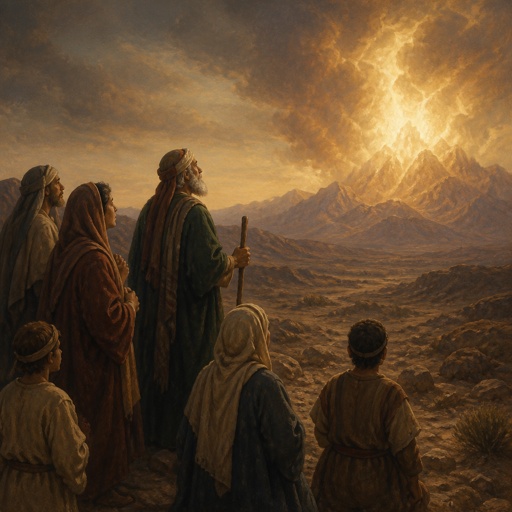
"And the LORD heard the voice of your words, and was wroth, and sware, saying," - Deuteronomy 1:34

Numbers 11:34 - "And he called the name of that place Kibroth-hattaavah: because there they buried the people that lusted."

Images that depicts the verse Matthew 27:11-34