Redeeming the Spoils: A Reflection on God’s Provisions
"Only the cattle we took for a prey unto ourselves, and the spoil of the cities which we took." - Deuteronomy 2:35
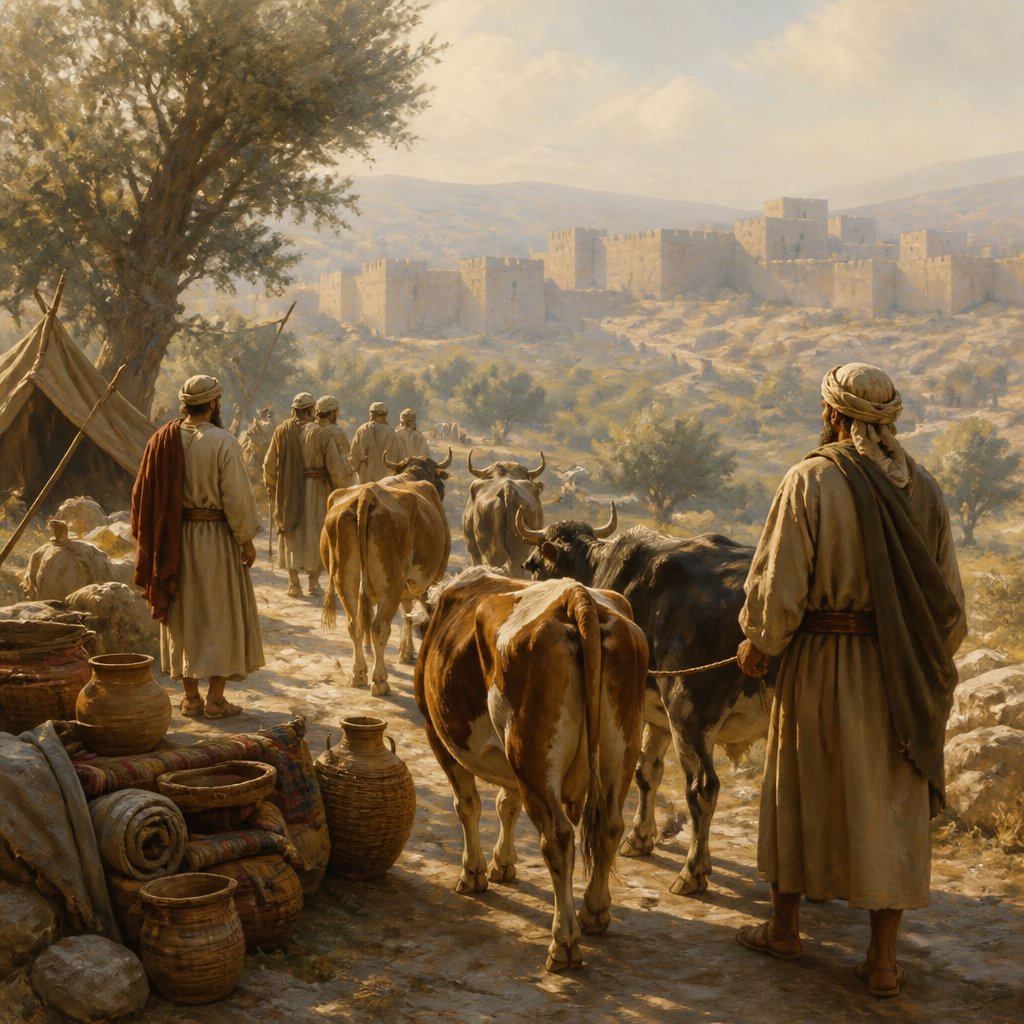
As we delve into Deuteronomy 2:35, we find a moment of triumph for the Israelites as they reflect on the victories granted to them by God: "Only the cattle we took for a prey unto ourselves, and the spoil of the cities which we took." This verse encapsulates a significant turning point in their journey, illustrating not only the physical spoils of war but also the deeper spiritual implications of trusting in God’s promises and provisions.
In the context of Deuteronomy, Moses is recounting the history of the Israelites’ journey through the wilderness. They are on the verge of entering the Promised Land but need to remember how far they’ve come and the battles they’ve faced. God had promised them this land, and with that promise came the assurance of victory over their enemies. As they reflected on their past conquests, it became crucial for them to recognize the role of divine intervention in each success. The conquest was not just about military might; it was primarily about God's faithfulness.
"Only the cattle we took for a prey unto ourselves..." speaks to the tangible blessings that came as a result of obedience and faith. The cattle, a valuable resource, signified sustenance and a means for the Israelites to provide for their families. In ancient times, wealth was often measured by one's livestock. Hence, this statement also symbolizes the promises of prosperity when one walks in accordance with God's design. God had not only freed them from slavery; He was equipping them to thrive in freedom.
However, it is essential to reflect on what the spoils of war represent in our lives today. Paul writes in Romans 8:28, "And we know that all things work together for good to them that love God, to them who are the called according to his purpose." The spoils we gather are far more significant than silver and gold or livestock. They include the lessons learned, the growth in faith, and the strength acquired through trial and perseverance.
Moreover, the act of taking the spoil signifies the importance of being intentional about the blessings we receive. The Israelites did not hoard their possessions out of greed; instead, they recognized these gifts as a means to an end—the continuation of God’s purposes in their lives. Every blessing bestowed upon us is a call to action. What will we do with the "cattle" that God has entrusted to us? Will we use it to further His kingdom and bless others?
The spoils of victory are not merely for our enjoyment; they are to be shared and utilized to uplift those around us. It calls to mind the generosity found in the early church, as described in Acts 4:32-35, where believers shared their possessions so that no one among them was in need. This act of community reflects God's love and provision, reminding us that His blessings are meant to flow through us to others.
As we navigate through our own spiritual wilderness, we must pause to acknowledge the victories God has brought into our lives. Miracles may not always look like a mighty army defeated or cattle acquired; at times, they arrive as moments of grace during hardship, as comfort in times of sorrow, or as relationships restored through forgiveness.
In conclusion, Deuteronomy 2:35 serves as a powerful reminder that the spoils we reap are a testament to God’s faithfulness and provision. Let us not take for granted that every good gift comes from above (James 1:17). As we collect the spoils of our own journey, let us commit to using them wisely, aligning with God’s purpose and extending His love to a world in need. May we find opportunities to share the bounty we receive, glorifying God in every triumph and trusting Him in the midst of every challenge. Our story, like the Israelites', is one of continual reliance on God—may we celebrate and share those spoils well.
Want to reflect more on Deuteronomy 2:35?
Continue your spiritual journey with Bible Chat — an AI-powered tool for exploring God's Word through conversation. Ask questions, discover connections, and deepen your understanding.
Get Our Apps


Deuteronomy 2:35 Artwork

Deuteronomy 2:35 - "Only the cattle we took for a prey unto ourselves, and the spoil of the cities which we took."
"Only the cattle we took for a prey unto ourselves, and the spoil of the cities which we took." - Deuteronomy 2:35

Deuteronomy 4:35 - "Unto thee it was shewed, that thou mightest know that the LORD he is God; there is none else beside him."
Deuteronomy 1:35 - "Surely there shall not one of these men of this evil generation see that good land, which I sware to give unto your fathers,"

Deuteronomy 28:35 - "The LORD shall smite thee in the knees, and in the legs, with a sore botch that cannot be healed, from the sole of thy foot unto the top of thy head."

Deuteronomy 32:35 - "To me belongeth vengeance, and recompence; their foot shall slide in due time: for the day of their calamity is at hand, and the things that shall come upon them make haste."
2 Chronicles 35:23

2 Chronicles 35:10

2 Chronicles 35:11

2 Chronicles 35:2 - "And he set the priests in their charges, and encouraged them to the service of the house of the LORD,"

2 Samuel 23:35 - "Hezrai the Carmelite, Paarai the Arbite,"

2 Chronicles 35:19 - "In the eighteenth year of the reign of Josiah was this passover kept."

Acts 2:35 - "Until I make thy foes thy footstool."

Ezra 2:35 - "The children of Senaah, three thousand and six hundred and thirty."

Deuteronomy 2:2 - "And the LORD spake unto me, saying,"

"Unto thee it was shewed, that thou mightest know that the LORD he is God; there is none else beside him." - Deuteronomy 4:35

Psalms 35:2 - "Take hold of shield and buckler, and stand up for mine help."

2 Chronicles 6:35 - "Then hear thou from the heavens their prayer and their supplication, and maintain their cause."

Job 35:2 - "Thinkest thou this to be right, that thou saidst, My righteousness is more than God's?"

Ezekiel 35:2 - "Son of man, set thy face against mount Seir, and prophesy against it,"

2 Chronicles 35:27 - "And his deeds, first and last, behold, they are written in the book of the kings of Israel and Judah."

Deuteronomy 2:17 - "That the LORD spake unto me, saying,"

2 Chronicles 35:10 - "So the service was prepared, and the priests stood in their place, and the Levites in their courses, according to the king's commandment."

2 Chronicles 35:26 - "Now the rest of the acts of Josiah, and his goodness, according to that which was written in the law of the LORD,"

2 Samuel 22:35 - "He teacheth my hands to war; so that a bow of steel is broken by mine arms."

"Hezrai the Carmelite, Paarai the Arbite," - 2 Samuel 23:35

2 Samuel 13:35 - "And Jonadab said unto the king, Behold, the king's sons come: as thy servant said, so it is."

2 Chronicles 35:17 - "And the children of Israel that were present kept the passover at that time, and the feast of unleavened bread seven days."

2 Kings 9:35 - "And they went to bury her: but they found no more of her than the skull, and the feet, and the palms of her hands."

1 Chronicles 2:35 - "And Sheshan gave his daughter to Jarha his servant to wife; and she bare him Attai."