The Cost of Stealing Souls: A Call to Justice and Compassion
"¶ If a man be found stealing any of his brethren of the children of Israel, and maketh merchandise of him, or selleth him; then that thief shall die; and thou shalt put evil away from among you." - Deuteronomy 24:7
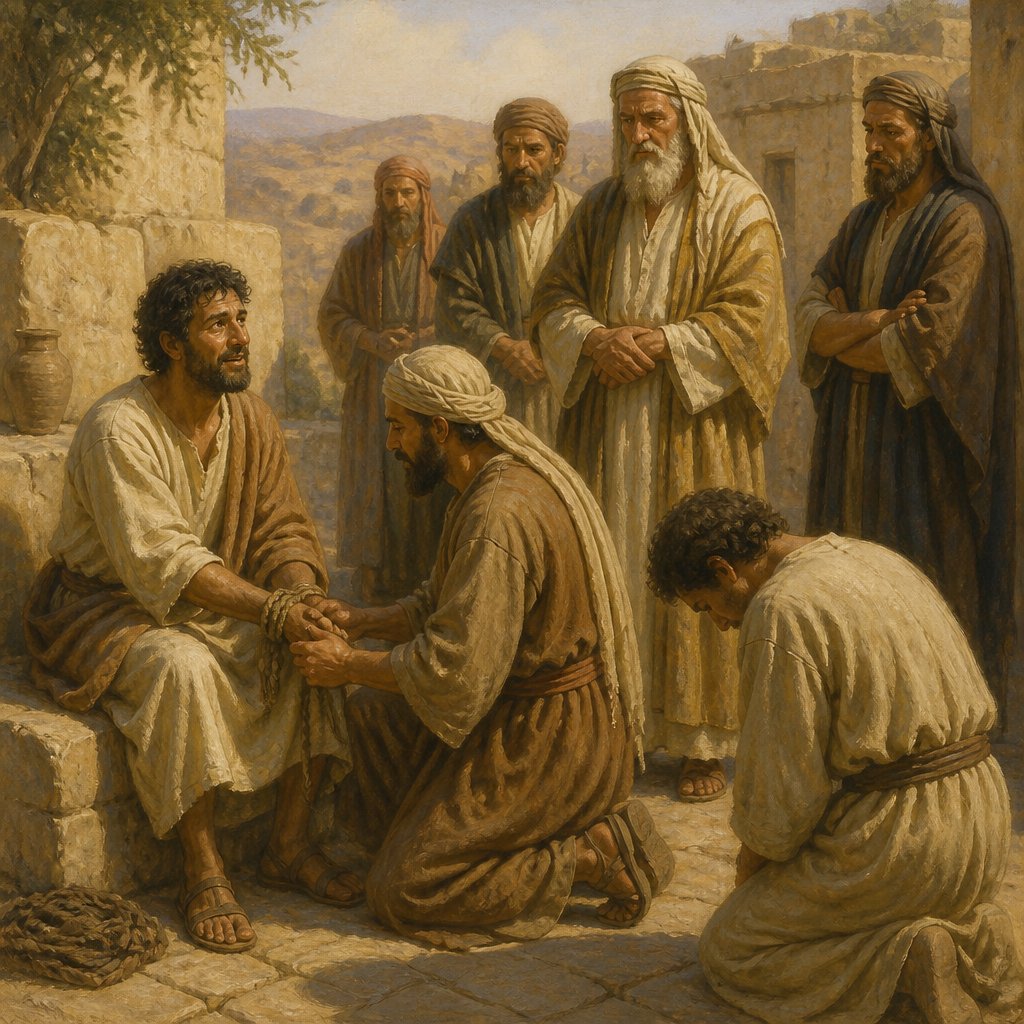
Deuteronomy 24:7 declares: "If a man be found stealing any of his brethren of the children of Israel, and maketh merchandise of him, or selleth him; then that thief shall die; and thou shalt put evil away from among you." This verse presents a stark and sobering reminder of the moral and ethical standards set forth in the Scriptures regarding theft, especially when it involves the exploitation of one’s fellow human beings.
The context of this verse is rooted deeply in the idea of community among the Israelites. God’s covenant with His people demanded that they live in harmony, respecting one another’s rights and dignity. The commandment is quite specific; it addresses not just stealing a possession but stealing a person—a profound act of wickedness that turns a fellow human into a mere commodity. In ancient Israel, this would typically refer to the grave sin of kidnapping or human trafficking, acts that are just as pertinent in today’s society as they were thousands of years ago.
When examining this directive, we must first understand the gravity of stealing one of one’s brethren. The Hebrew people are often referred to as a family unit, a close-knit community bound by shared heritage and spirituality. To steal a person is not only an act of theft against property but a total violation of the trust, respect, and love that should exist among God's people.
After stressing the seriousness of the crime, the verse conclusively states that the thief "shall die." This is a strong, uncompromising statement that illustrates the depth of the sin. In God’s justice system, the action warrants a severe consequence, reflecting how seriously God views the degradation of human rights and dignity. This might seem harsh to contemporary readers, but it draws attention to the serious nature of injustice. Such moral failings can destabilize a community and turn people against one another, thereby inviting chaos and sin to thrive among them.
Indeed, God’s intent in prescribing such a severe penalty is to underscore the sanctity of life and the importance of justice. It serves as a deterrent, calling upon every member of the society to hold themselves accountable in upholding one another and to work against evil—ultimately to restore order and equity. The directive, "and thou shalt put evil away from among you," indicates a collective responsibility. Justice is not the sole function of the authorities but a mandate for all of God’s people, inviting each individual to take action against wrongdoing in their communities.
In our modern context, the principle behind Deuteronomy 24:7 speaks volumes. Today, we witness various forms of exploitation, from human trafficking to systemic inequities that demean and dehumanize. This verse compels us to reflect on how we can contribute proactively to eradicate such injustices. It challenges us to consider our responses to acts of wrongdoing—what is our role in advocating for justice? How can we support the vulnerable and marginalized?
As we meditate on this verse, let us embrace God’s heart for humanity. He is a God who cares deeply for the oppressed and those victimized by injustice. Therefore, our faith should extend beyond words into actions—aligning ourselves with God’s desires to protect, restore, and heal.
May we strive to embody justice in our own lives, nurturing a culture of respect and compassion for all. Let us work diligently to protect our brethren from harm and advocate for a society rooted in righteousness and love. In doing so, we not only honor God and His commands but also truly reflect the kingdom of heaven on earth.
Want to reflect more on Deuteronomy 24:7?
Continue your spiritual journey with Bible Chat — an AI-powered tool for exploring God's Word through conversation. Ask questions, discover connections, and deepen your understanding.
Get Our Apps


Deuteronomy 24:7 Artwork
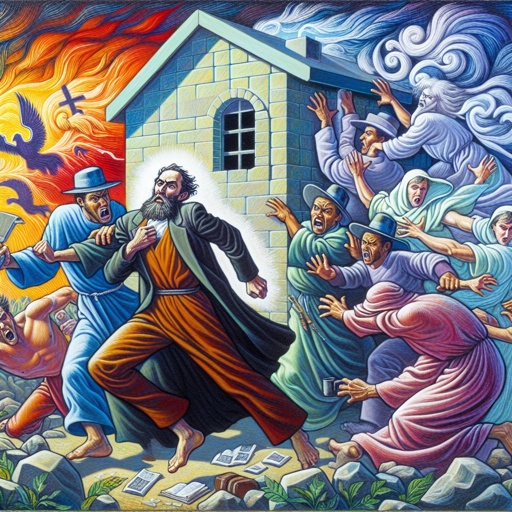
Deuteronomy 24:7 - "¶ If a man be found stealing any of his brethren of the children of Israel, and maketh merchandise of him, or selleth him; then that thief shall die; and thou shalt put evil away from among you."
"¶ If a man be found stealing any of his brethren of the children of Israel, and maketh merchandise of him, or selleth him; then that thief shall die; and thou shalt put evil away from among you." - Deuteronomy 24:7

Deuteronomy 7:24 - "And he shall deliver their kings into thine hand, and thou shalt destroy their name from under heaven: there shall no man be able to stand before thee, until thou have destroyed them."

Deuteronomy 24:12 - "And if the man be poor, thou shalt not sleep with his pledge:"

Deuteronomy 4:24 - "For the LORD thy God is a consuming fire, even a jealous God."

Deuteronomy 12:24 - "Thou shalt not eat it; thou shalt pour it upon the earth as water."

Deuteronomy 1:24 - "And they turned and went up into the mountain, and came unto the valley of Eshcol, and searched it out."

Deuteronomy 9:24 - "Ye have been rebellious against the LORD from the day that I knew you."

Deuteronomy 27:24 - "Cursed be he that smiteth his neighbour secretly. And all the people shall say, Amen."

Deuteronomy 24:17 - "¶ Thou shalt not pervert the judgment of the stranger, nor of the fatherless; nor take a widow's raiment to pledge:"

Deuteronomy 24:6 - "¶ No man shall take the nether or the upper millstone to pledge: for he taketh a man's life to pledge."

Deuteronomy 24:2 - "And when she is departed out of his house, she may go and be another man's wife."

Genesis 24-7

Deuteronomy 24:21 - "When thou gatherest the grapes of thy vineyard, thou shalt not glean it afterward: it shall be for the stranger, for the fatherless, and for the widow."

Deuteronomy 24:22 - "And thou shalt remember that thou wast a bondman in the land of Egypt: therefore I command thee to do this thing."

Deuteronomy 31:24 - "¶ And it came to pass, when Moses had made an end of writing the words of this law in a book, until they were finished,"

Deuteronomy 3:7 - "But all the cattle, and the spoil of the cities, we took for a prey to ourselves."

Matthew 7:24-29

Matthew 7:24-29

Matthew 7:24-27

Exodus 7:14-24

Psalm 24:7-11

Deuteronomy 24:9 - "Remember what the LORD thy God did unto Miriam by the way, after that ye were come forth out of Egypt."

Deuteronomy 24:11 - "Thou shalt stand abroad, and the man to whom thou dost lend shall bring out the pledge abroad unto thee."

Deuteronomy 24:10 - "¶ When thou dost lend thy brother any thing, thou shalt not go into his house to fetch his pledge."

Deuteronomy 24:20 - "When thou beatest thine olive tree, thou shalt not go over the boughs again: it shall be for the stranger, for the fatherless, and for the widow."

Deuteronomy 5:7 - "Thou shalt have none other gods before me."

Nehemiah 7:24 - "The children of Hariph, an hundred and twelve."

"And if the man be poor, thou shalt not sleep with his pledge:" - Deuteronomy 24:12

Deuteronomy 29:24 - "Even all nations shall say, Wherefore hath the LORD done thus unto this land? what meaneth the heat of this great anger?"