The Heart of Justice: Understanding Deuteronomy 22:26
"But unto the damsel thou shalt do nothing; there is in the damsel no sin worthy of death: for as when a man riseth against his neighbour, and slayeth him, even so is this matter:" - Deuteronomy 22:26
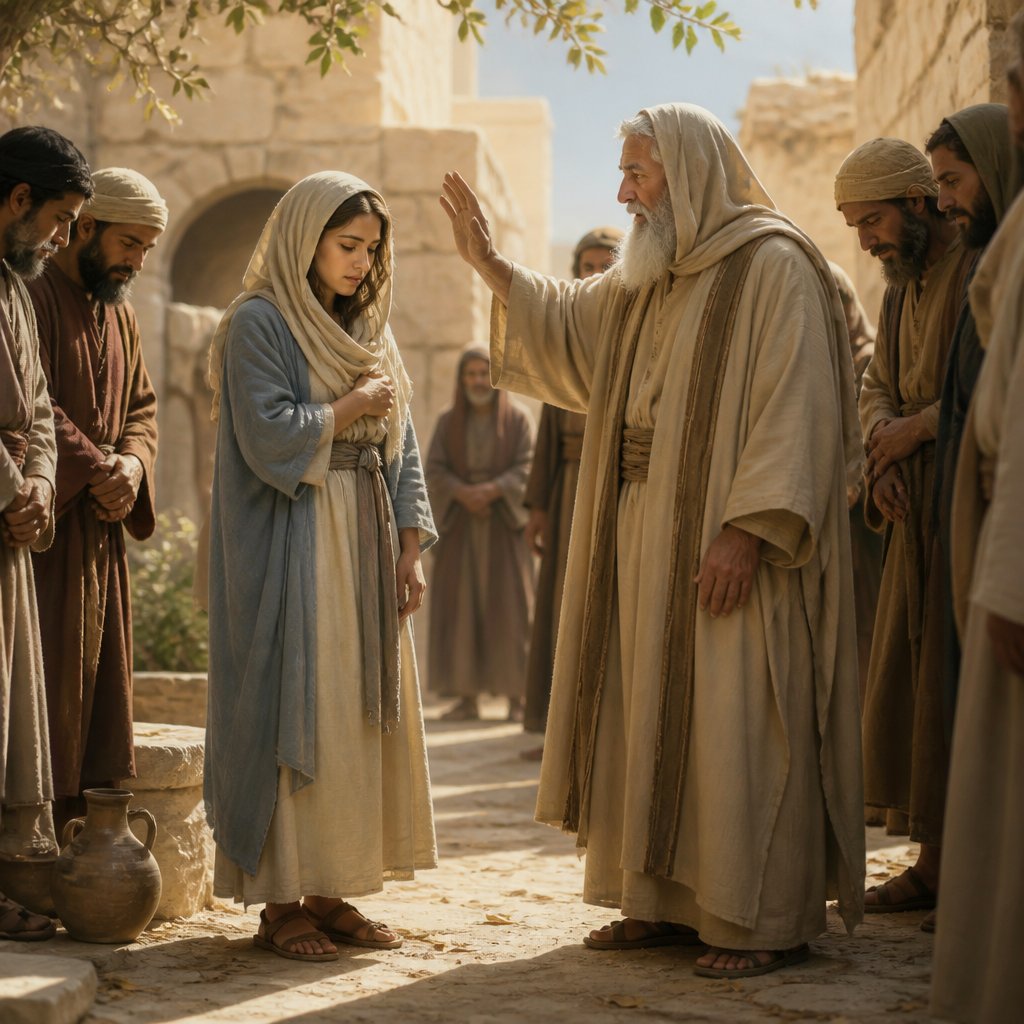
As we delve into the profound depths of Deuteronomy 22:26, we encounter a verse that, at first glance, may seem rooted purely in ancient law and cultural practices. The King James Version states, "But unto the damsel thou shalt do nothing; there is in the damsel no sin worthy of death: for as when a man riseth against his neighbour, and slayeth him, even so is this matter." This scripture holds more than its face value; it reveals the heart of God regarding justice, mercy, and the sanctity of life.
To appreciate the weight of this verse, we must understand the context and the gravity of the accusation surrounding it. In the times of ancient Israel, issues of morality, law, and societal structure were interwoven. The protection of vulnerable individuals, particularly women, was significant. In a patriarchal society, a woman’s honor was invaluable, and her worth often tied to the perceptions of her purity and virtue. Here, we see a divine command that reaffirms the dignity of every individual, particularly those who are most vulnerable.
The phrase "thou shalt do nothing" evokes a resounding affirmation of the necessity of protecting the innocent. It also serves as a remarkable declaration of God’s stance on justice; even in a world where actions could have lethal consequences, the victim’s character and behavior should not be overshadowed by the actions of another. In essence, the woman in this scripture is deemed innocent, underscoring God's emphasis on the truth of the matter over societal judgment.
Reflecting on the latter part of the verse, which likens the act of violence against a neighbor to the violation of a woman, we are forced to confront the seriousness of moral transgressions. God compares the act of causing harm to a woman to the gravity of murder. This comparison evokes a difficult truth: that every act of violence must be addressed with seriousness, and humanity's propensity to harm remains a central theme in God's laws. The underlying message insists that sin—whether it be lust, violence, deceit, or indignity—cannot coexist without consequences. Yet here, God, in His mercy, emphasizes that the innocent are not to be blamed for the sins of others.
Moreover, these words have powerful implications for our modern understanding of justice and mercy. How often in contemporary society do we find ourselves judging or casting blame on victims of circumstances beyond their control? The narrative of sin is often clouded by a feigned sense of righteousness that suggests punishment is necessary even for the innocent. In challenging societal norms, Deuteronomy 22:26 asserts that God finds no fault in innocence; therefore, justice must prevail in the protection of those who suffer injustices.
As believers, we are swept into this call for justice and mercy. This passage invites us to cultivate a heart that seeks the truth, protects the innocent, and promotes healing rather than harm. In knowing that our Lord values every life, we should challenge ourselves to confront the injustices in our lives—with compassion and courage. The commandment serves as a powerful reminder to stand as advocates for the voiceless, to elevate those who suffer under oppression, and to recognize the virtue in humility and strength when supporting our neighbors.
Let us pray for a heart that echoes the sentiments of God—seeking justice without sacrificing mercy. May we be reminded that our actions bear the power to uplift or diminish the value of life around us.
In living daily with intention, let us embody the love of Christ, who reflected the same justice and mercy for all, so that we may fulfill our calling amidst darkness and despair, acting in accordance with our Savior’s heart.
Want to reflect more on Deuteronomy 22:26?
Continue your spiritual journey with Bible Chat — an AI-powered tool for exploring God's Word through conversation. Ask questions, discover connections, and deepen your understanding.
Get Our Apps


Deuteronomy 22:26 Artwork

Deuteronomy 22:26 - "But unto the damsel thou shalt do nothing; there is in the damsel no sin worthy of death: for as when a man riseth against his neighbour, and slayeth him, even so is this matter:"

Deuteronomy 22:26 (KJVA) But unto the damsel thou shalt do nothing; there is in the damsel no sin worthy of death: for as when a man riseth against his neighbour, and slayeth him, even so is this matter:

Deuteronomy 22:26 (KJVA) But unto the damsel thou shalt do nothing; there is in the damsel no sin worthy of death: for as when a man riseth against his neighbour, and slayeth him, even so is this matter:
"But unto the damsel thou shalt do nothing; there is in the damsel no sin worthy of death: for as when a man riseth against his neighbour, and slayeth him, even so is this matter:" - Deuteronomy 22:26

Deuteronomy 26:4-10

Deuteronomy 26:4-10

Deuteronomy 11:26 - "¶ Behold, I set before you this day a blessing and a curse;"

Jonah 2:2-6 Jonah sinking down in the deep blue water, with the whale about to swallow him.

Luke 16:22-26

Deuteronomy 22:20 - "But if this thing be true, and the tokens of virginity be not found for the damsel:"

Deuteronomy 22:10 - "¶ Thou shalt not plow with an ox and an ass together."

Deuteronomy 22:18 - "And the elders of that city shall take that man and chastise him;"

Deuteronomy 23:22 - "But if thou shalt forbear to vow, it shall be no sin in thee."

Leviticus 22:26 - "¶ And the LORD spake unto Moses, saying,"

Deuteronomy 26:6 - "And the Egyptians evil entreated us, and afflicted us, and laid upon us hard bondage:"

Deuteronomy 1:26 - "Notwithstanding ye would not go up, but rebelled against the commandment of the LORD your God:"

Deuteronomy 9:22 - "And at Taberah, and at Massah, and at Kibroth-hattaavah, ye provoked the LORD to wrath."

Matthew 22:26 - "Likewise the second also, and the third, unto the seventh."

Deuteronomy 22:11 - "¶ Thou shalt not wear a garment of divers sorts, as of woollen and linen together."

Deuteronomy 22:13 - "¶ If any man take a wife, and go in unto her, and hate her,"

Deuteronomy 31:22 - "¶ Moses therefore wrote this song the same day, and taught it the children of Israel."

Deuteronomy 27:26 - "Cursed be he that confirmeth not all the words of this law to do them. And all the people shall say, Amen."

Deuteronomy 2:26 - "¶ And I sent messengers out of the wilderness of Kedemoth unto Sihon king of Heshbon with words of peace, saying,"

Deuteronomy 22:27 - "For he found her in the field, and the betrothed damsel cried, and there was none to save her."

Leviticus 20:22-26 simple picture

Picture to summarize Leviticus 20:22-26

Deuteronomy 26:9 - "And he hath brought us into this place, and hath given us this land, even a land that floweth with milk and honey."

Deuteronomy 26:8 - "And the LORD brought us forth out of Egypt with a mighty hand, and with an outstretched arm, and with great terribleness, and with signs, and with wonders:"

Exodus 26:22 - "And for the sides of the tabernacle westward thou shalt make six boards."

Proverbs 26:22 - "The words of a talebearer are as wounds, and they go down into the innermost parts of the belly."