Guarding the Sacredness of Honor
"And give occasions of speech against her, and bring up an evil name upon her, and say, I took this woman, and when I came to her, I found her not a maid:" - Deuteronomy 22:14
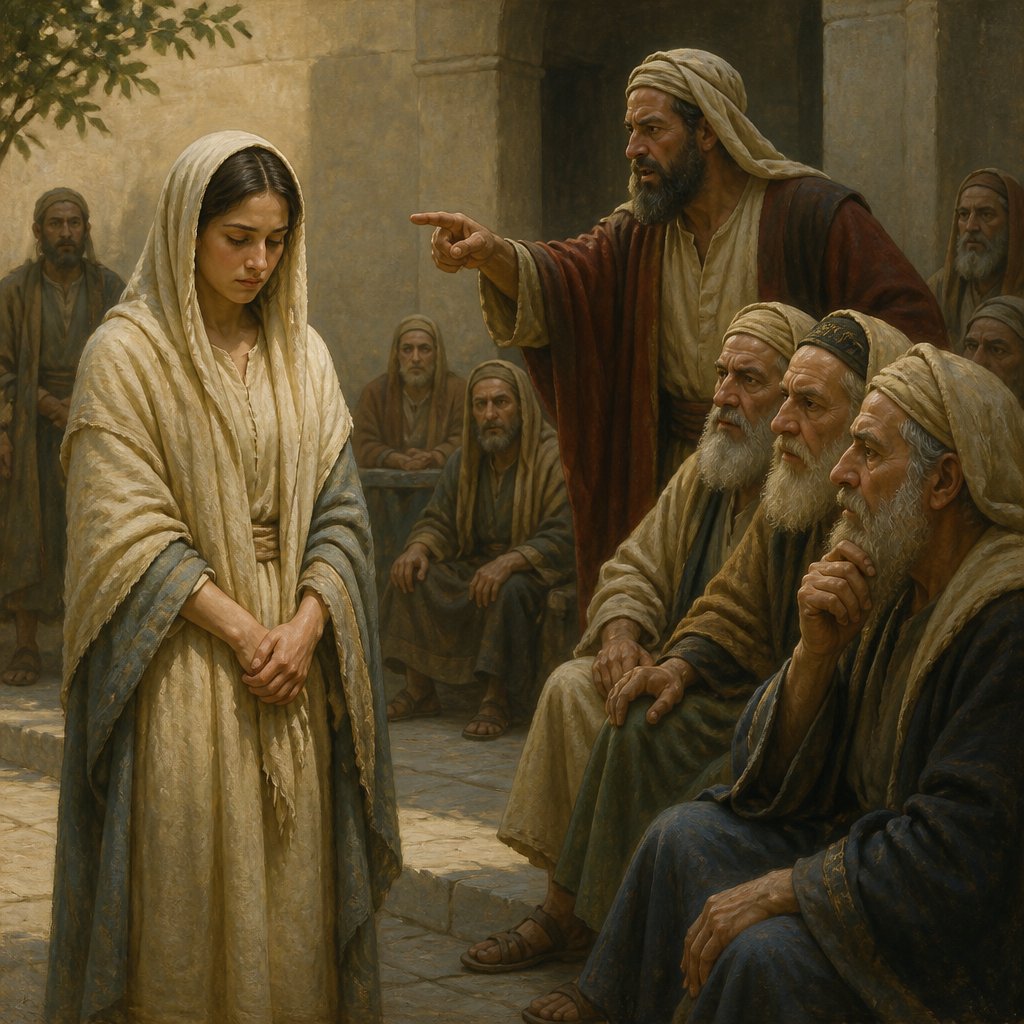
Deuteronomy 22:14 (KJV) states, "And give occasions of speech against her, and bring up an evil name upon her, and say, I took this woman, and when I came to her, I found her not a maid." This verse addresses the importance of personal honor and the grave consequences of false accusations within the covenant community of Israel. As we delve into this scripture, we discover profound implications pertaining to integrity, reputation, and the responsibility we hold towards others.
In ancient Israelite society, the concept of a woman’s virginity was paramount. It was not just a personal matter but a reflection of family honor and community values. The repercussions of slander could tarnish a woman’s reputation irreparably. The Mosaic Law introduced stringent measures to protect individual dignity and ensure accountability. In this context, the law serves as a protection for the vulnerable, emphasizing that individuals must treasure one another's reputation as sacred.
The verse instructs that the man making the accusation must do so with integrity and truthfulness. It warns against deceit and malicious intent, viewing the act of falsely accusing a spouse as akin to an attack on the community’s moral fabric. The emphasis here is on the heart of the accuser; if they use their words as weapons, they not only harm the woman’s reputation but jeopardize their own standing before God and society. This brings to light crucial aspects of our speech and conduct towards one another.
As modern readers, how often do we find ourselves in situations where our words can either elevate or devastate? In the era of social media and instant communication, it’s easier than ever to spread rumors or share opinions hastily. James 3:5 reminds us, "Even so the tongue is a little member, and boasteth great things. Behold, how great a matter a little fire kindleth!" Just as a small spark can incite a forest fire, so too can one careless comment tarnish someone's reputation catastrophically.
Reflecting on the implications of Deuteronomy 22:14, we are called to be guardians of one another’s honor. It challenges us to assess our words and actions critically. When we bear witness to slander or gossip, we ought to consider not only the impact on the individual's name but also the witness we give of Christ’s character. In Philippians 4:8, Paul encourages believers to think on things that are true, honest, just, pure, lovely, and of good report. From this perspective, we can actively choose to be advocates for truth and encouragement, mirroring Christ’s grace in our interactions.
Moreover, this scripture calls us to be slow to judge and quick to understand. Before we embrace accusations against others, we must ask if our judgments are fair and if they align with the character of Christ — who extends grace even when judgment seems justified. This doesn't suggest we turn a blind eye to wrongdoing but rather engage with compassion towards those who may falter, ensuring that our approach seeks restoration rather than mere condemnation.
Through this reflection, we are reminded that our inherent belief as Christians is grounded in the redemptive work of Jesus. He has made provision for each one of us, even in our failings, offering mercy and grace. As we draw parallels from this ancient text to our contemporary lives, let’s commit to speaking life-giving words and protecting the dignity of those around us.
The next time we find ourselves in a position to speak about another, may we remember Deuteronomy 22:14. Let our mouths echo grace and truth, building up instead of breaking down, so that we may collectively foster an environment of honor and love, reflecting the heart of God to a world in desperate need of His light.
Want to reflect more on Deuteronomy 22:14?
Continue your spiritual journey with Bible Chat — an AI-powered tool for exploring God's Word through conversation. Ask questions, discover connections, and deepen your understanding.
Get Our Apps


Deuteronomy 22:14 Artwork

Deuteronomy 22:14 - "And give occasions of speech against her, and bring up an evil name upon her, and say, I took this woman, and when I came to her, I found her not a maid:"
"And give occasions of speech against her, and bring up an evil name upon her, and say, I took this woman, and when I came to her, I found her not a maid:" - Deuteronomy 22:14

Deuteronomy 14:22 - "Thou shalt truly tithe all the increase of thy seed, that the field bringeth forth year by year."
"Thou shalt truly tithe all the increase of thy seed, that the field bringeth forth year by year." - Deuteronomy 14:22

Deuteronomy 14:14 - "And every raven after his kind,"

Deuteronomy 22:20 - "But if this thing be true, and the tokens of virginity be not found for the damsel:"

Deuteronomy 22:10 - "¶ Thou shalt not plow with an ox and an ass together."

Deuteronomy 14:17 - "And the pelican, and the gier eagle, and the cormorant,"

"And every raven after his kind," - Deuteronomy 14:14

Deuteronomy 22:18 - "And the elders of that city shall take that man and chastise him;"

Deuteronomy 23:22 - "But if thou shalt forbear to vow, it shall be no sin in thee."

Deuteronomy 14:16 - "The little owl, and the great owl, and the swan,"

Deuteronomy 9:22 - "And at Taberah, and at Massah, and at Kibroth-hattaavah, ye provoked the LORD to wrath."

Deuteronomy 22:11 - "¶ Thou shalt not wear a garment of divers sorts, as of woollen and linen together."

Deuteronomy 22:13 - "¶ If any man take a wife, and go in unto her, and hate her,"

Deuteronomy 14:3 - "¶ Thou shalt not eat any abominable thing."

Deuteronomy 31:22 - "¶ Moses therefore wrote this song the same day, and taught it the children of Israel."

Deuteronomy 14:11 - "¶ Of all clean birds ye shall eat."

Deuteronomy 14:20 - "But of all clean fowls ye may eat."

Deuteronomy 14:13 - "And the glede, and the kite, and the vulture after his kind,"

Deuteronomy 22:27 - "For he found her in the field, and the betrothed damsel cried, and there was none to save her."

Deuteronomy 14:18 - "And the stork, and the heron after her kind, and the lapwing, and the bat."

Deuteronomy 14:12 - "But these are they of which ye shall not eat: the eagle, and the ossifrage, and the ospray,"

Deuteronomy 3:22 - "Ye shall not fear them: for the LORD your God he shall fight for you."

Deuteronomy 22:23 - "¶ If a damsel that is a virgin be betrothed unto an husband, and a man find her in the city, and lie with her;"

Deuteronomy 33:22 - "¶ And of Dan he said, Dan is a lion's whelp: he shall leap from Bashan."

Genesis 22 14

Genesis 22-14

Deuteronomy 14:15 - "And the owl, and the night hawk, and the cuckow, and the hawk after his kind,"

Deuteronomy 29:14 - "Neither with you only do I make this covenant and this oath;"