A Call to Accountability: Understanding the Weight of Family and Community
"Then shall his father and his mother lay hold on him, and bring him out unto the elders of his city, and unto the gate of his place;" - Deuteronomy 21:19
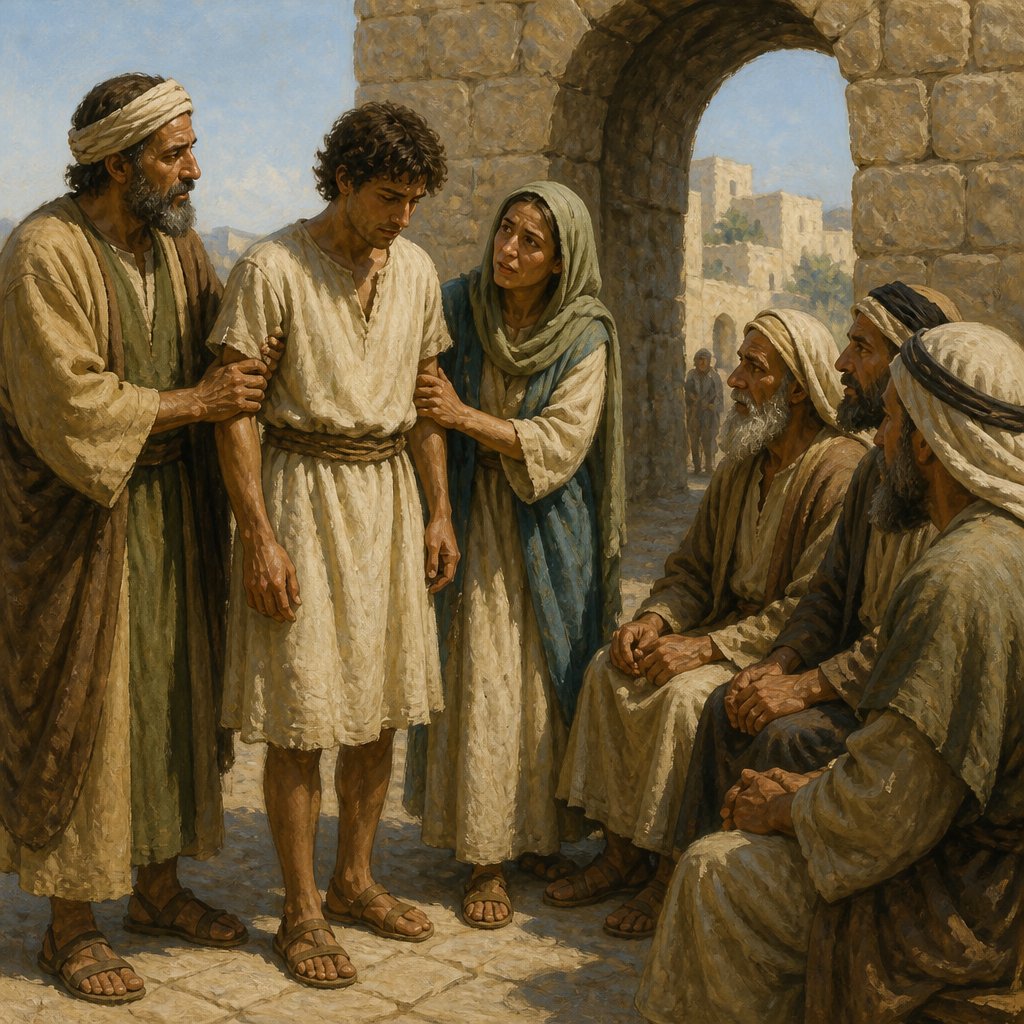
Deuteronomy 21:19 in the King James Version (KJV) resonates deeply within the framework of family dynamics and communal responsibility: "Then shall his father and his mother lay hold on him, and bring him out unto the elders of his city, and unto the gate of his place." This passage carries profound implications that extend into the realms of discipline, accountability, and the innate responsibilities of family and community.
When we encounter the directive concerning a rebellious son in the Book of Deuteronomy, it is crucial to understand the cultural and historical context of ancient Israel. The social structure during this time was deeply rooted in communal values, where families and their members were intertwined within the fabric of society. The act of ‘laying hold’ signifies more than mere physical restraint; it embodies the deep, earnest concern that parents have for their child's well-being, both spiritually and morally.
This parental engagement serves as a reminder of the gravity of responsibility that lies upon parents. When a child strays from the path of righteousness, it is the parents’ duty to guide, correct, and sometimes confront difficult truths. In a world that often prioritizes individualism, this biblical passage calls forth a challenge: to uphold our responsibilities toward one another, starting from the immediate family unit, and radiating outward into the community.
The role of the community is equally significant in this scenario. The elders at the city gate represent authority and wisdom, indicating that when familial correction is required, it is not done in isolation. Rather, it is essential to seek counsel and to involve the collective wisdom of the community. This progressive act of bringing a wayward son before the elders underscores the importance of accountability - both personal and communal. Through this, we are reminded that our actions have repercussions that extend beyond ourselves.
As Christians dwelling in a contemporary society that often promotes self-sufficiency and independence, this passage invites us to reconsider our views on accountability. We live in a culture that can sometimes shield individuals from the consequences of their actions, promoting a form of rebellion against authority or the established norms. However, as seen in this scripture, our faith calls for community engagement, highlighting that no one exists as an island.
Lay hold on what’s important! As parents, guardians, or mentors, the lesson is clear: we are not merely to observe or pass judgment, but to actively engage with the next generation. This can take many forms, including frequent communication, imparting wisdom, and sometimes, facing the challenging moments of correction. How often do we take the easy route of turning a blind eye, under the guise of love? Deuteronomy teaches us that love is not merely permissiveness, but rather, it is the commitment to guide others, even when it's uncomfortable.
Furthermore, we are called to be a community that supports one another. The act of bringing forth individuals to the elders signifies an environment where accountability is valued. It nurtures an ecosystem of encouragement, where all members are willing to uphold one another; driving back to the right path instead of falling into the trap of isolation and blame.
As we reflect on Deuteronomy 21:19, let us ask ourselves: How do we engage with our families? Are we truly holding one another accountable in love? Likewise, how do we, as a community, serve to protect and guide our members towards righteousness? Ultimately, the promise is that when we uphold these principles, we create strong families and resilient communities capable of withstanding the trials of our times.
In prayer, let us seek the strength to lay hold of those entrusted to us and carry them, together, to the gates of wisdom and counsel. May we embody love with courage and accountability, holding fast to our values outlined in Scripture.
Want to reflect more on Deuteronomy 21:19?
Continue your spiritual journey with Bible Chat — an AI-powered tool for exploring God's Word through conversation. Ask questions, discover connections, and deepen your understanding.
Get Our Apps


Deuteronomy 21:19 Artwork

Deuteronomy 21:19 - "Then shall his father and his mother lay hold on him, and bring him out unto the elders of his city, and unto the gate of his place;"
"Then shall his father and his mother lay hold on him, and bring him out unto the elders of his city, and unto the gate of his place;" - Deuteronomy 21:19

Deuteronomy 19:21 - "And thine eye shall not pity; but life shall go for life, eye for eye, tooth for tooth, hand for hand, foot for foot."

Revelation 19:19-21

Revelation 19:19-21

Revelation 19:19-21

Deuteronomy 1.1-21

Deuteronomy 30:19:
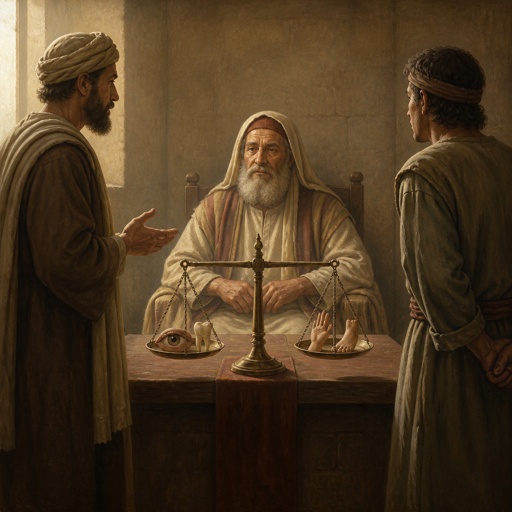
"And thine eye shall not pity; but life shall go for life, eye for eye, tooth for tooth, hand for hand, foot for foot." - Deuteronomy 19:21

Deuteronomy 5:19 - "Neither shalt thou steal."

Genesis 21-19

Genesis 19-21

luke 21:5-19

Philippians 1:19-21

Deuteronomy 10:19 - "Love ye therefore the stranger: for ye were strangers in the land of Egypt."

Deuteronomy 14:19 - "And every creeping thing that flieth is unclean unto you: they shall not be eaten."

Leviticus 21:19 - "Or a man that is brokenfooted, or brokenhanded,"

Deuteronomy 27:21 - "Cursed be he that lieth with any manner of beast. And all the people shall say, Amen."

Philippians 1:19-21

Philippians 1:19-21

John 21:15-19

Exodus 27:19-21

Luke 21:15-19

Deuteronomy 19:7 - "Wherefore I command thee, saying, Thou shalt separate three cities for thee."

Deuteronomy 6:19 - "To cast out all thine enemies from before thee, as the LORD hath spoken."

"Neither shalt thou steal." - Deuteronomy 5:19

Deuteronomy 21:21 - "And all the men of his city shall stone him with stones, that he die: so shalt thou put evil away from among you; and all Israel shall hear, and fear."

Deuteronomy 19:16 - "¶ If a false witness rise up against any man to testify against him that which is wrong;"

Deuteronomy 27:19 - "Cursed be he that perverteth the judgment of the stranger, fatherless, and widow. And all the people shall say, Amen."

Deuteronomy 19:19 - "Then shall ye do unto him, as he had thought to have done unto his brother: so shalt thou put the evil away from among you."