The Double Portion: A Reflection on Inheritance and Identity
"But he shall acknowledge the son of the hated for the firstborn, by giving him a double portion of all that he hath: for he is the beginning of his strength; the right of the firstborn is his." - Deuteronomy 21:17
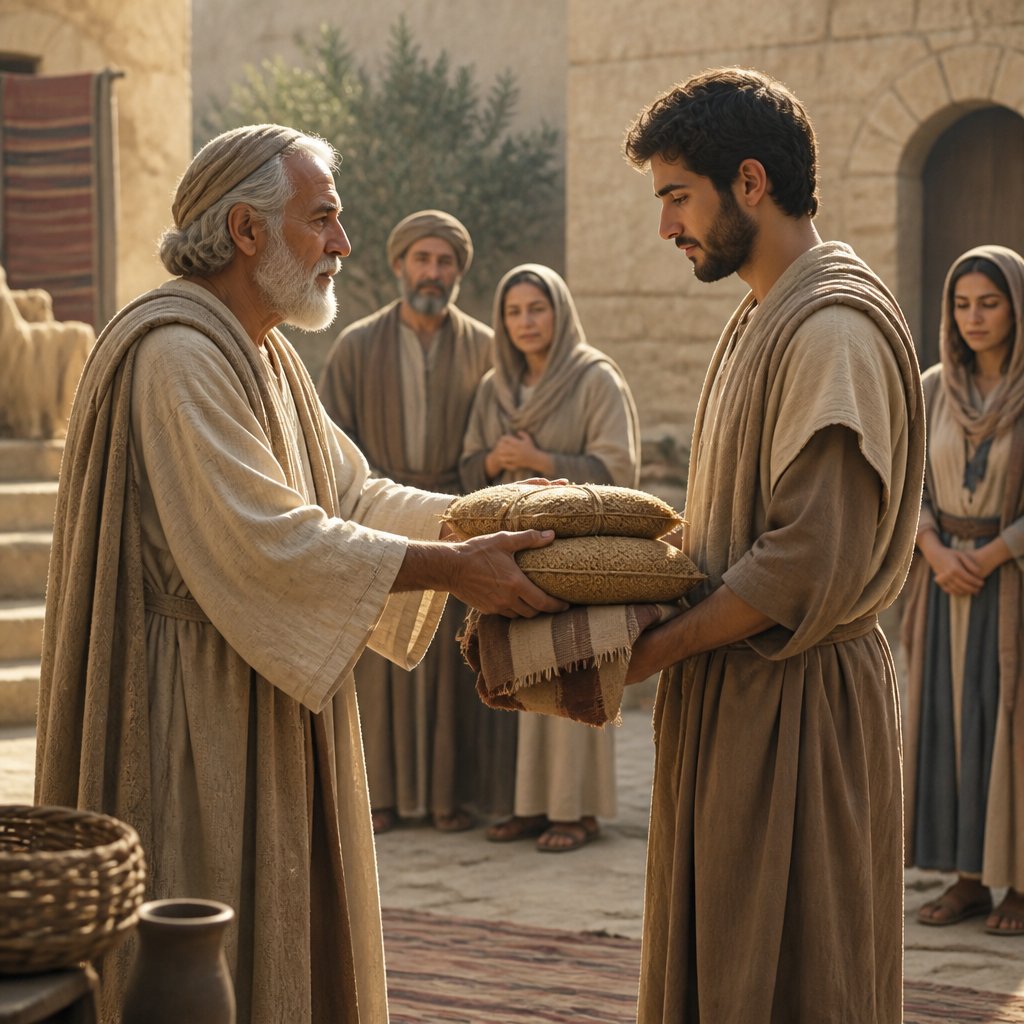
In the wilderness wanderings of the Israelites, amid laws and provisions taking shape under divine guidance, lies a clarity about familial dynamics that speaks volumes beyond mere cultural practices. Deuteronomy 21:17 asserts, "But he shall acknowledge the son of the hated for the firstborn, by giving him a double portion of all that he hath: for he is the beginning of his strength; the right of the firstborn is his." This verse beckons us to explore the depth of love, identity, and grace in our relationships, especially when faced with societal biases.
To fully appreciate this scripture, we must place ourselves in the context of ancient Israelite society, where the dynamics of inheritance were paramount. The firstborn son held a privileged position; he was the heir who received a double portion of the father's estate, signifying not only material wealth but also the continuation of the family line and legacy. This honor came with responsibility, shaping the character and future of that child. However, what stands out in this directive is the condition surrounding its application—acknowledging "the son of the hated."
The term "hated" rings harshly in today's ears, evoking feelings of rejection and injustice. In biblical terms, this possibly refers not only to enmity but also to the dynamics of favoritism, as seen in the stories of Jacob and Esau or Joseph and his brothers. When addressing a child who is by societal standards considered less favorable, the Lord commands an act of radical grace and justice—a clear departure from human instinct which craves affirmation and equity based on affection and perceived value.
In using the phrase “acknowledge the son of the hated,” God emphasizes that love and blessing must extend beyond our natural inclinations. The firstborn, regardless of personal preference or affection, is to be honored and endowed with a double portion. This act creates a powerful statement about identity; regardless of how a child may be perceived, their rightful place as the firstborn is a divine guarantee. The double portion signifies not just abundance but a counter-narrative of love that shapes community and family structures.
The implications for us today are profound. In our spiritual journey, we often grapple with feelings of inadequacy or rejection. The world may label us in ways that define our worth based on performance, popularity, or perfection. But Deuteronomy 21:17 invites us to reframe our identities through God's lens. Like the son of the hated, our identity in Christ affirms that we are all heirs to God's promises and blessings—ferocious and abundant.
When Paul writes in Galatians 4:7, "Wherefore thou art no more a servant, but a son; and if a son, then an heir of God through Christ," he underscores our position in the Kingdom, irrespective of our backgrounds, failures, or perceptions of ourselves. The designation of the firstborn is not limited to lineage but welcomes those who boldly accept their worth in God's familial embrace.
Consequently, we are prompted to not only acknowledge our inheritance but also to extend this double-portion grace to those around us. The world may categorize people based on worthiness; however, we are called to mirror God's heart by extending love and recognition to the overlooked, marginalized, or unloved among us. Acknowledging those who may be seen as 'hated' or unwanted in our midst becomes an act of obedience to God’s command, reflecting His relentless grace.
In conclusion, Deuteronomy 21:17 serves as a powerful reminder that our identities are deeply rooted in God's love and that our call is to respond actively by recognizing and affirming the dignity of every individual. May we embrace the call to give a double portion not only to those we love but also to those we might find difficult to accept. Truly, in acknowledging the son of the hated, we create pathways of grace that lead to transformation—not just for them, but within our own hearts as well.
Want to reflect more on Deuteronomy 21:17?
Continue your spiritual journey with Bible Chat — an AI-powered tool for exploring God's Word through conversation. Ask questions, discover connections, and deepen your understanding.
Get Our Apps


Deuteronomy 21:17 Artwork
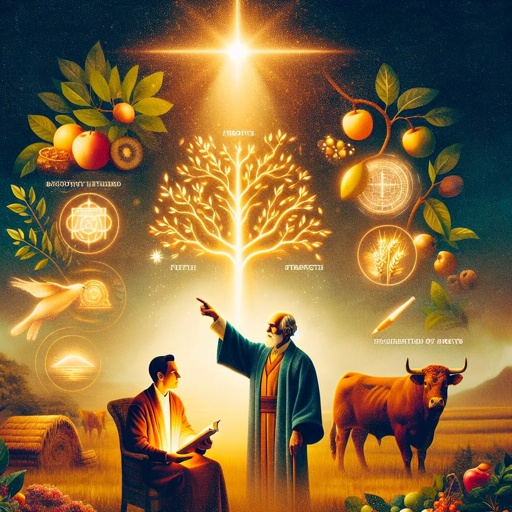
Deuteronomy 21:17 - "But he shall acknowledge the son of the hated for the firstborn, by giving him a double portion of all that he hath: for he is the beginning of his strength; the right of the firstborn is his."
"But he shall acknowledge the son of the hated for the firstborn, by giving him a double portion of all that he hath: for he is the beginning of his strength; the right of the firstborn is his." - Deuteronomy 21:17

1 Timothy 2:1-7

1 Timothy 2:1-7

Deuteronomy 1.1-21

Deuteronomy 5:17 - "Thou shalt not kill."

Deuteronomy 14:17 - "And the pelican, and the gier eagle, and the cormorant,"

Deuteronomy 2:17 - "That the LORD spake unto me, saying,"

Deuteronomy 28:17 - "Cursed shall be thy basket and thy store."

John 21:17

Genesis 17-21

Genesis 21-17

"Thou shalt not kill." - Deuteronomy 5:17

Deuteronomy 23:17 - "¶ There shall be no whore of the daughters of Israel, nor a sodomite of the sons of Israel."

Deuteronomy 17:13 - "And all the people shall hear, and fear, and do no more presumptuously."

Deuteronomy 17:17 - "Neither shall he multiply wives to himself, that his heart turn not away: neither shall he greatly multiply to himself silver and gold."

Matthew 17:14-21

Deuteronomy 27:21 - "Cursed be he that lieth with any manner of beast. And all the people shall say, Amen."

Deuteronomy 4:17 - "The likeness of any beast that is on the earth, the likeness of any winged fowl that flieth in the air,"

"And the pelican, and the gier eagle, and the cormorant," - Deuteronomy 14:17

Deuteronomy 18:17 - "And the LORD said unto me, They have well spoken that which they have spoken."

Deuteronomy 21:21 - "And all the men of his city shall stone him with stones, that he die: so shalt thou put evil away from among you; and all Israel shall hear, and fear."

Deuteronomy 27:17 - "Cursed be he that removeth his neighbour's landmark. And all the people shall say, Amen."

Deuteronomy 7:21 - "Thou shalt not be affrighted at them: for the LORD thy God is among you, a mighty God and terrible."

Deuteronomy 21:7 - "And they shall answer and say, Our hands have not shed this blood, neither have our eyes seen it."

Deuteronomy 18:21 - "And if thou say in thine heart, How shall we know the word which the LORD hath not spoken?"

Deuteronomy 24:17 - "¶ Thou shalt not pervert the judgment of the stranger, nor of the fatherless; nor take a widow's raiment to pledge:"

"That the LORD spake unto me, saying," - Deuteronomy 2:17

Matthew 17:21 - "Howbeit this kind goeth not out but by prayer and fasting."

Deuteronomy 21:22 - "¶ And if a man have committed a sin worthy of death, and he be to be put to death, and thou hang him on a tree:"