God's Perspective on Love, Family, and Prioritization
"¶ If a man have two wives, one beloved, and another hated, and they have born him children, both the beloved and the hated; and if the firstborn son be hers that was hated:" - Deuteronomy 21:15
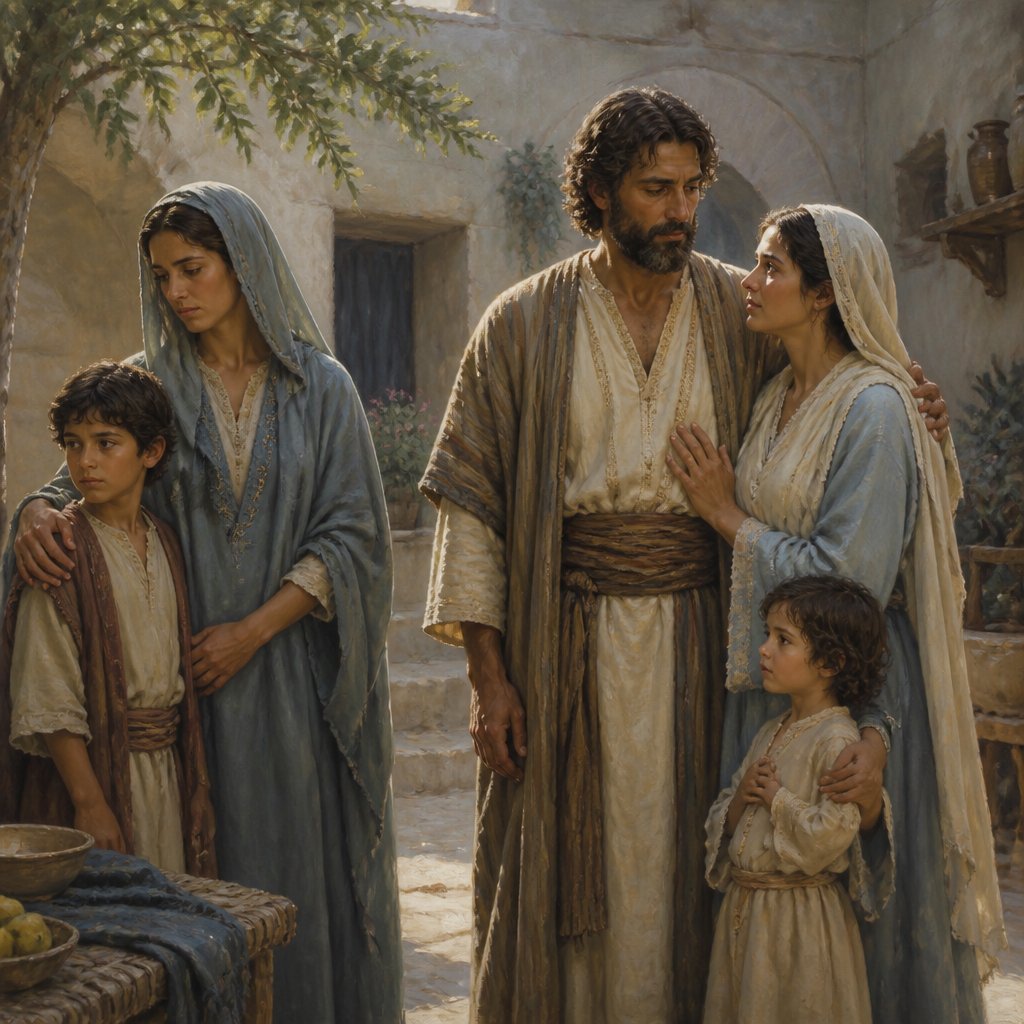
In the book of Deuteronomy, chapter 21, verse 15 presents a scenario that brings us face to face with complex human emotions, relationships, and the principles of divine justice and order. The verse reads: "If a man have two wives, one beloved, and another hated, and they have born him children, both the beloved and the hated; and if the firstborn son be hers that was hated." It is an exploration not merely of familial relationships but of our human tendency to favor one over another, particularly when it comes to love and respect within our homes.
In the complexities of family dynamics, this verse sheds light on an uncomfortable truth. It depicts the, often unspoken, reality that we may love some people more than others. These feelings can be magnified in polygamous settings, which were somewhat common in biblical times yet are contrary to God’s original intention for marriage as established in Genesis 2:24, where the union is meant to be between one man and one woman. Here, we see the difficulty that arises when love is divided and how it can lead to perceived inequities.
The first element that we must unpack is the notion of 'beloved' and 'hated'. To hate is a strong word; it signifies intense aversion and rejection. In this context, 'hate' does not necessarily mean the absence of love but rather an imbalance in affection. We must ask ourselves: How often do we find ourselves prioritizing certain relationships while neglecting others? This can be particularly true in our own lives—children may sometimes feel ‘hated’ when they perceive that they are less favored than their siblings or peers.
What can we glean from this scripture? First, it challenges us to embrace God's design for family without favoritism. Favoritism can lead to jealousy and conflict, as seen in the story of Jacob, Leah, and Rachel. Joseph bore the brunt of his father’s favoritism and suffered for it, culminating in his brothers' betrayal.
Second, the passage reminds us of God’s justice and order. The firstborn son, regardless of the mother's status in the familial hierarchy, carries particular rights and responsibilities (as illustrated in the following verses). In Israelite tradition, the firstborn was meant to receive a double portion and to lead the family following the father’s death. Thus, regardless of the love dynamics between the wives, the laws that govern inheritance must be respected. God is teaching us that love should not skew justice. This principle serves to remind us that although relationships may be strained, our commitment to God’s law and principles must guide our actions and attitudes.
Thirdly, we should reflect on our own lives. Are there areas where we have given preferential treatment, consciously or unconsciously? Do our children perceive that we value one over the other? It’s a hard truth to face, but recognizing and adjusting our behavior can lead to healing and reconciliation in our families. Moreover, it calls us to treat others fairly and equally, mirroring God's love which is impartial and unconditional.
Lastly, this scripture pushes us to seek God’s love in our lives. When we allow His love to saturate our hearts, we can overcome the divisions caused by favoritism or misunderstanding. We can learn to love others with God’s kind of love—a love that is difficult, sacrificial, and selfless.
In conclusion, Deuteronomy 21:15 beckons us to reflect on the nature of our own relationships and how we manage love and responsibility. May we strive to embody a love that is reflective of God’s love—deep, abiding, and fair. Let us seek to build a household that reflects the compassion, equity, and justice that God desires. As we delve into our relationships, let us lean on the Lord for wisdom and strength to address these nuances with grace.
Want to reflect more on Deuteronomy 21:15?
Continue your spiritual journey with Bible Chat — an AI-powered tool for exploring God's Word through conversation. Ask questions, discover connections, and deepen your understanding.
Get Our Apps


Deuteronomy 21:15 Artwork

Deuteronomy 21:15 - "¶ If a man have two wives, one beloved, and another hated, and they have born him children, both the beloved and the hated; and if the firstborn son be hers that was hated:"
"¶ If a man have two wives, one beloved, and another hated, and they have born him children, both the beloved and the hated; and if the firstborn son be hers that was hated:" - Deuteronomy 21:15

Deuteronomy 15:21 - "And if there be any blemish therein, as if it be lame, or blind, or have any ill blemish, thou shalt not sacrifice it unto the LORD thy God."

Deuteronomy 1.1-21
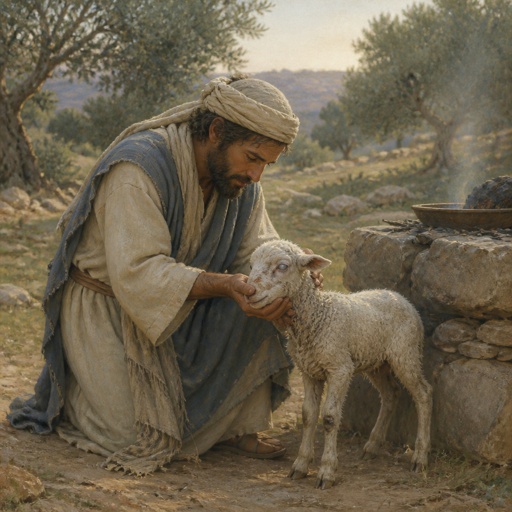
"And if there be any blemish therein, as if it be lame, or blind, or have any ill blemish, thou shalt not sacrifice it unto the LORD thy God." - Deuteronomy 15:21

Deuteronomy 3:15 - "And I gave Gilead unto Machir."

Luke 15:21

Luke 15:21

Genesis 15:21

Exodus 15:21

Genesis 21-15

Deuteronomy 15:1 - "At the end of every seven years thou shalt make a release."

Deuteronomy 14:15 - "And the owl, and the night hawk, and the cuckow, and the hawk after his kind,"

Deuteronomy 33:15 - "And for the chief things of the ancient mountains, and for the precious things of the lasting hills,"

Deuteronomy 27:21 - "Cursed be he that lieth with any manner of beast. And all the people shall say, Amen."

Deuteronomy 15:15 - "And thou shalt remember that thou wast a bondman in the land of Egypt, and the LORD thy God redeemed thee: therefore I command thee this thing to day."

Deuteronomy 21:21 - "And all the men of his city shall stone him with stones, that he die: so shalt thou put evil away from among you; and all Israel shall hear, and fear."

John 14:15-21

Deuteronomy 7:21 - "Thou shalt not be affrighted at them: for the LORD thy God is among you, a mighty God and terrible."

John 21:15-19

Luke 21:15-19

Deuteronomy 18:21 - "And if thou say in thine heart, How shall we know the word which the LORD hath not spoken?"

Deuteronomy 21:7 - "And they shall answer and say, Our hands have not shed this blood, neither have our eyes seen it."

Genesis 15:21 - "And the Amorites, and the Canaanites, and the Girgashites, and the Jebusites."

Deuteronomy 21:22 - "¶ And if a man have committed a sin worthy of death, and he be to be put to death, and thou hang him on a tree:"

Deuteronomy 31:15 - "And the LORD appeared in the tabernacle in a pillar of a cloud: and the pillar of the cloud stood over the door of the tabernacle."

Deuteronomy 11:15 - "And I will send grass in thy fields for thy cattle, that thou mayest eat and be full."

Deuteronomy 30:15 - "¶ See, I have set before thee this day life and good, and death and evil;"

Deuteronomy 2:21 - "A people great, and many, and tall, as the Anakims; but the LORD destroyed them before them; and they succeeded them, and dwelt in their stead:"

Deuteronomy 21:6 - "And all the elders of that city, that are next unto the slain man, shall wash their hands over the heifer that is beheaded in the valley:"