The Weight of Unsolved Tragedies: A Call to Justice and Compassion
"If one be found slain in the land which the LORD thy God giveth thee to possess it, lying in the field, and it be not known who hath slain him:" - Deuteronomy 21:1
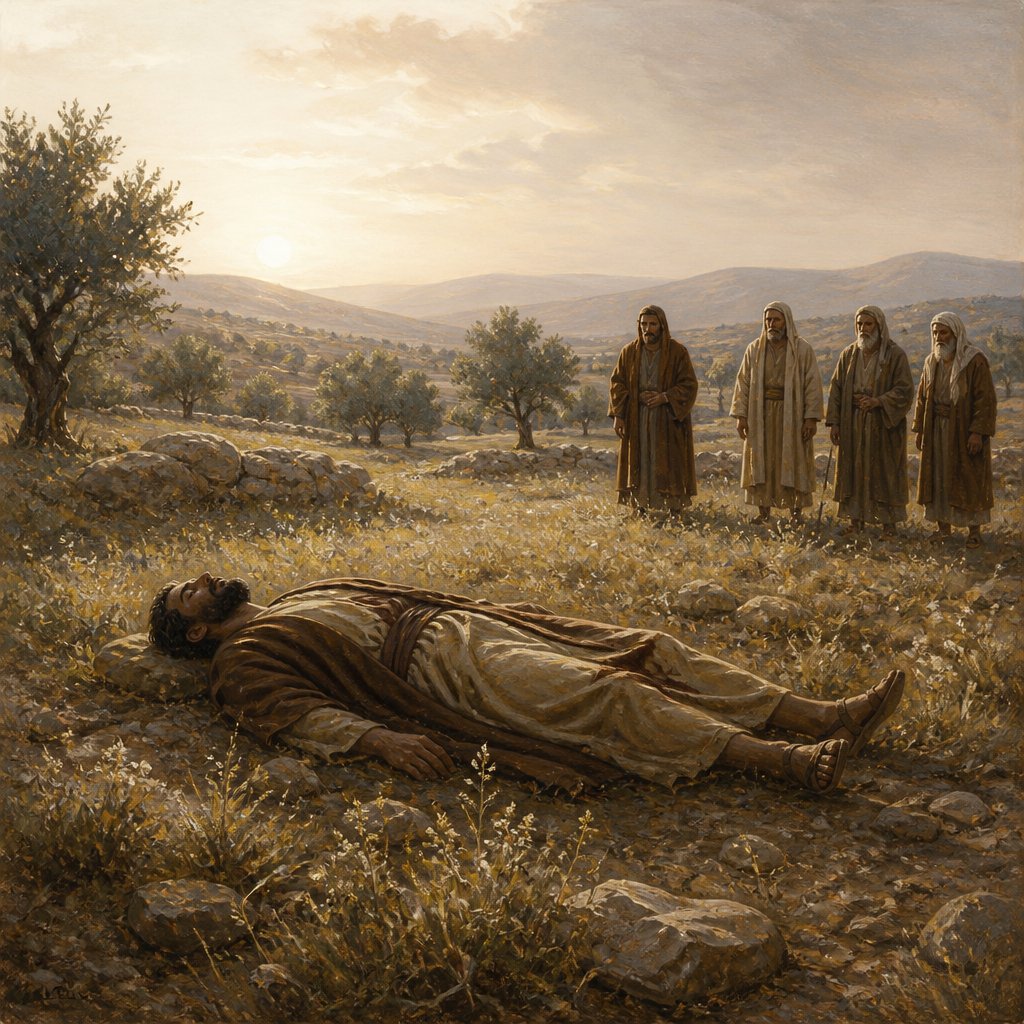
The verse from Deuteronomy 21:1 states, “If one be found slain in the land which the LORD thy God giveth thee to possess it, lying in the field, and it be not known who hath slain him.” This instruction, sandwiched between the laws governing the Israelites as they entered Canaan, serves not just as a matter of legal procedure but as a profound indicator of how society should respond to loss, tragedy, and the unknowns of human experience.
In this ancient text, the Lord is not only instructing the people on how to deal with a murder that does not have a known perpetrator; He ultimately highlights the seriousness of life, death, and communal integrity. The land that the God gives is a sacred gift, one that embodies His promise and presence. When we encounter death, particularly under mysterious circumstances, it disrupts the divinely intended order, calling the entire community to action.
In verse 1, we find not only an acknowledgment of the tragedy but also a foundational principle: when an injustice occurs, it is not solely the burden of the individual affected, but a shared responsibility within the community. Here, the slain person represents not just an individual tragedy but the health and vitality of the entire community. It strikes at the very core of social harmony — any unsolved crime leaves ripples of fear and unrest within the society.
Similar to the theological construct in this passage, we are reminded today of our collective obligation to care for the voiceless and to seek justice where there is injustice. When tragedy strikes, whether it be a murder, a natural disaster, or societal upheaval, as agents of God in this world, we are called to empathy and action. How compelling is the thought that the community needs to gird itself together to perform a ritual (as described later in the chapter) that includes seeking atonement for a crime whose perpetrator remains unknown? This should stir us — asserting that the lives we live are interwoven with the lives of others.
The verse prompts us to examine our own hearts and our community. In our pursuit of justice, do we lean more towards quick judgments or do we carry compassionate understanding? In pondering humanity's tragedies today, we should ask ourselves how we can be instruments of reconciliation and healing in a world replete with violence and despair. It might begin with acknowledging the pain that surrounds us. The unnamed victim in Deuteronomy urges each of us to consider those who suffer in silence today — casualties of systemic injustice, homelessness, or societal neglect.
Moreover, this verse highlights the importance of recognizing our national and communal identity. The Israelites were on a journey to claim a land they believed was theirs, gifted by God. This inheritance was not merely a physical territory but a relational one with the divine, one that demanded righteousness and justice. As we take stock of our own blessings and national identities, we must ask what legacy we wish to leave. Is it one marked by neglect or by profound concern for our brothers and sisters?
As we reflect on Deuteronomy 21:1, it is crucial to acknowledge the complexities of life. Tragedy isn't just an event; it's a chain of responses that test our resilience and commitment to God's commands over our biases and conveniences. It is a challenging task but a calling to rise as a community that seeks justice where there is sorrow, and to embody the love of God in every realm of life.
In closing, let us understand that the fundamental principle echoed through this passage is a call to accountability. In confronting the unsolved tragedies around us, we are invited to do more than just pray; we are called to be the hands and feet of Christ, pursuing justice, love, and compassion among our neighbors. May our hearts be moved to respond to the hurts of others and restore the broken, reflecting the kingdom values of the God who longs for shalom — peace for all.
Want to reflect more on Deuteronomy 21:1?
Continue your spiritual journey with Bible Chat — an AI-powered tool for exploring God's Word through conversation. Ask questions, discover connections, and deepen your understanding.
Get Our Apps


Deuteronomy 21:1 Artwork

Deuteronomy 21:1 - "If one be found slain in the land which the LORD thy God giveth thee to possess it, lying in the field, and it be not known who hath slain him:"
"If one be found slain in the land which the LORD thy God giveth thee to possess it, lying in the field, and it be not known who hath slain him:" - Deuteronomy 21:1

Deuteronomy 1.1-21

Deuteronomy 1:21 - "Behold, the LORD thy God hath set the land before thee: go up and possess it, as the LORD God of thy fathers hath said unto thee; fear not, neither be discouraged."

Deuteronomy 27:21 - "Cursed be he that lieth with any manner of beast. And all the people shall say, Amen."

Deuteronomy 21:21 - "And all the men of his city shall stone him with stones, that he die: so shalt thou put evil away from among you; and all Israel shall hear, and fear."

Deuteronomy 7:21 - "Thou shalt not be affrighted at them: for the LORD thy God is among you, a mighty God and terrible."

Deuteronomy 18:21 - "And if thou say in thine heart, How shall we know the word which the LORD hath not spoken?"

Deuteronomy 21:7 - "And they shall answer and say, Our hands have not shed this blood, neither have our eyes seen it."

Deuteronomy 21:22 - "¶ And if a man have committed a sin worthy of death, and he be to be put to death, and thou hang him on a tree:"

Deuteronomy 2:21 - "A people great, and many, and tall, as the Anakims; but the LORD destroyed them before them; and they succeeded them, and dwelt in their stead:"

Deuteronomy 21:6 - "And all the elders of that city, that are next unto the slain man, shall wash their hands over the heifer that is beheaded in the valley:"

Deuteronomy 24:21 - "When thou gatherest the grapes of thy vineyard, thou shalt not glean it afterward: it shall be for the stranger, for the fatherless, and for the widow."

Deuteronomy 21:12 - "Then thou shalt bring her home to thine house; and she shall shave her head, and pare her nails;"

Deuteronomy 21:11 - "And seest among the captives a beautiful woman, and hast a desire unto her, that thou wouldest have her to thy wife;"

Deuteronomy 15:21 - "And if there be any blemish therein, as if it be lame, or blind, or have any ill blemish, thou shalt not sacrifice it unto the LORD thy God."

Deuteronomy 19:21 - "And thine eye shall not pity; but life shall go for life, eye for eye, tooth for tooth, hand for hand, foot for foot."

Deuteronomy 21:2 - "Then thy elders and thy judges shall come forth, and they shall measure unto the cities which are round about him that is slain:"

Deuteronomy 21:20 - "And they shall say unto the elders of his city, This our son is stubborn and rebellious, he will not obey our voice; he is a glutton, and a drunkard."

Deuteronomy 10:21 - "He is thy praise, and he is thy God, that hath done for thee these great and terrible things, which thine eyes have seen."

Deuteronomy 29:21 - "And the LORD shall separate him unto evil out of all the tribes of Israel, according to all the curses of the covenant that are written in this book of the law:"

Deuteronomy 6:21 - "Then thou shalt say unto thy son, We were Pharaoh's bondmen in Egypt; and the LORD brought us out of Egypt with a mighty hand:"

Deuteronomy 16:21 - "¶ Thou shalt not plant thee a grove of any trees near unto the altar of the LORD thy God, which thou shalt make thee."
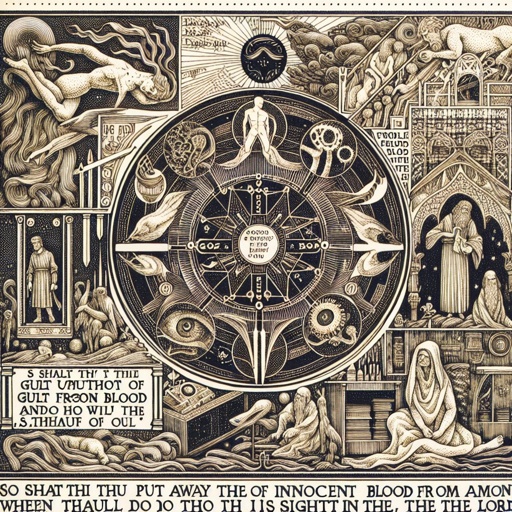
Deuteronomy 21:9 - "So shalt thou put away the guilt of innocent blood from among you, when thou shalt do that which is right in the sight of the LORD."

Deuteronomy 21:15 - "¶ If a man have two wives, one beloved, and another hated, and they have born him children, both the beloved and the hated; and if the firstborn son be hers that was hated:"

Deuteronomy 28:21 - "The LORD shall make the pestilence cleave unto thee, until he have consumed thee from off the land, whither thou goest to possess it."

Deuteronomy 32:41

Deuteronomy 21:19 - "Then shall his father and his mother lay hold on him, and bring him out unto the elders of his city, and unto the gate of his place;"
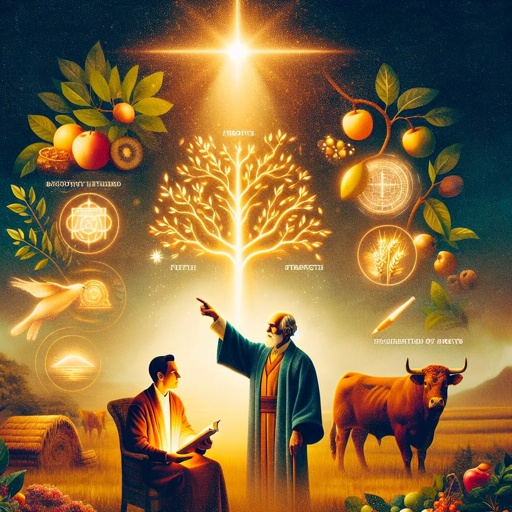
Deuteronomy 21:17 - "But he shall acknowledge the son of the hated for the firstborn, by giving him a double portion of all that he hath: for he is the beginning of his strength; the right of the firstborn is his."

Deuteronomy 32:43