Breaking Camp: A Call to New Beginnings
"The LORD our God spake unto us in Horeb, saying, Ye have dwelt long enough in this mount:" - Deuteronomy 1:6
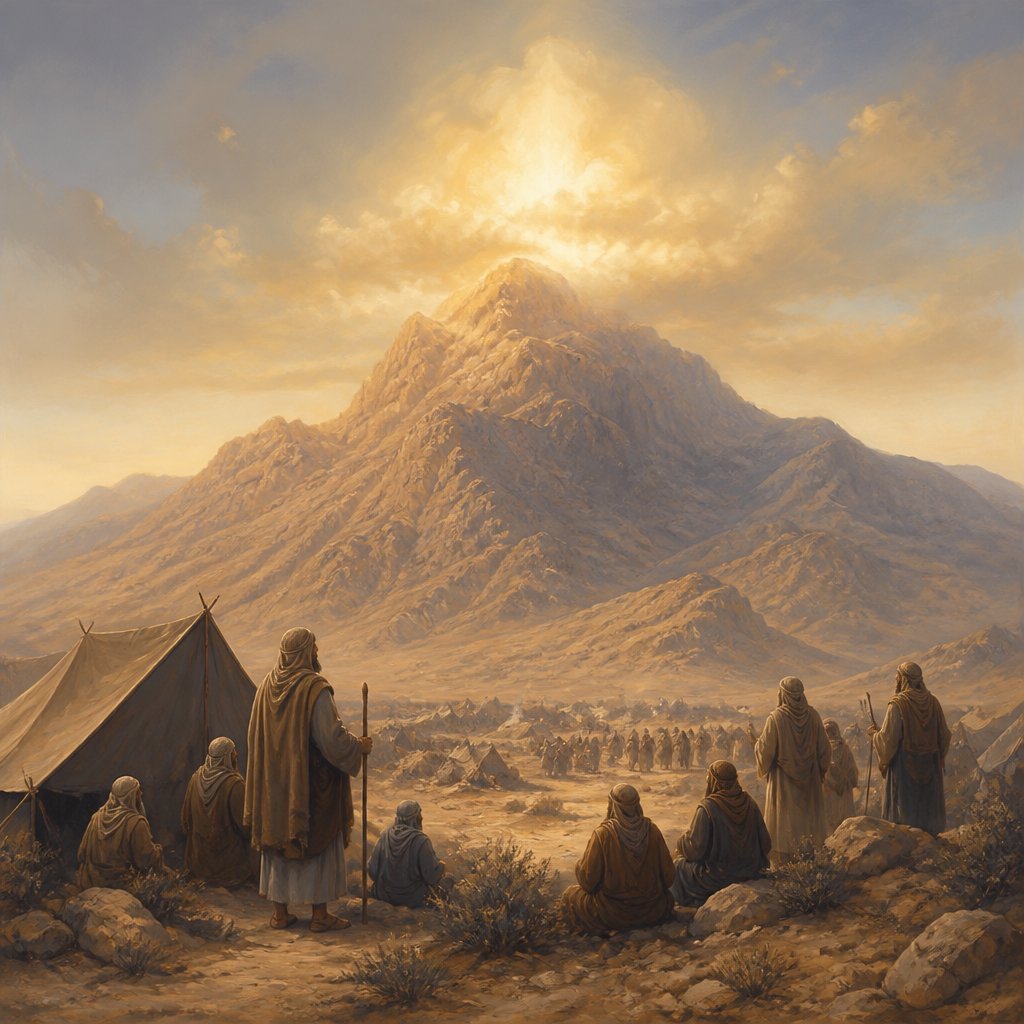
In Deuteronomy 1:6, we find a significant moment in the journey of the Israelites: "The LORD our God spake unto us in Horeb, saying, Ye have dwelt long enough in this mount." This verse is both a reminder and a command from God to His people, and it resonates deeply with our own spiritual walks today.
As we delve into this passage, we must first consider the circumstances surrounding it. The Israelites had been camped at Mount Horeb for an extended period, a mountain that stood as a remarkable witness to God's presence and revelation. It was here that Moses received the Ten Commandments, where the people experienced the awe of God's glory. However, as significant as this place was, God’s word to them was clear: their time of encampment was over; it was time to move forward.
The phrase "Ye have dwelt long enough" is not merely a remark about physical location; it encapsulates the heart of spiritual growth. There are seasons in our lives when we find ourselves spiritually stagnant, clinging to past experiences, and comfortable routines. This moment at Horeb symbolizes a pivotal period in the life of many believers—a time where we may have seen God work in our lives, but that is not where our journey ends.
Just as the Israelites were reminded by God to pack up and continue their journey toward the Promised Land, we too receive that same gentle yet firm push from the Lord at times. How often do we find ourselves in a spiritual desert, camped at the foot of a significant experience or blessing of the past, rather than advancing into the new things God has planned for us? The question arises: What does it mean to dwell long enough in one place?
Dwelling too long in one place can lead to complacency. It breeds familiarity that can overshadow the sense of urgency for growth that God desires for us. Whether it is a comfort in a specific routine of prayer, a lingering over an old hurt, or even a refusal to forgive someone, it hinders our spiritual progression. The Lord, in His mercy, begins to stir our hearts, reminding us that He is always calling us higher.
God’s command to the Israelites was not without purpose. Following this directive was to usher them into the fullness of His promises—a land flowing with milk and honey. Likewise, embracing this call today leads us to new blessings, deeper faith, and a more intimate relationship with Him. That is why these moments of divine intervention must always be treasured and obeyed; the cost of spiritual stagnation is too high.
We often allow fear and insecurity to chain our hearts to the familiar. Perhaps the Israelites hesitated to leave the security of Mount Horeb, fearing what lay ahead. Yet, our God is the eternal guide and protector, working all things together for our good. Each step taken in obedience opens up a pathway for greater revelation of His love and power in our lives.
To dwell long enough on God's past provisions leaves us with a sense of glory but can also cultivate a sense of loss, neglecting the new blessings that God has in store. When He speaks, as He did at Horeb, it is always with a purpose: to move us closer to Him and deeper into our destiny. Will you listen afresh to the God who speaks today? Are you willing to break camp in your own life?
Let this verse in Deuteronomy 1:6 remind us that life in Christ is a continual journey of faith. We serve a God who calls us to take bold steps into the unknown, rather than becoming comfortable at just knowing Him. May we embrace the new seasons He set before us, breaking camp, and moving forward into our divine destiny.
Want to reflect more on Deuteronomy 1:6?
Continue your spiritual journey with Bible Chat — an AI-powered tool for exploring God's Word through conversation. Ask questions, discover connections, and deepen your understanding.
Get Our Apps


Deuteronomy 1:6 Artwork

Deuteronomy 1:6 - "The LORD our God spake unto us in Horeb, saying, Ye have dwelt long enough in this mount:"
"The LORD our God spake unto us in Horeb, saying, Ye have dwelt long enough in this mount:" - Deuteronomy 1:6

Deuteronomy 6:1 - "Now these are the commandments, the statutes, and the judgments, which the LORD your God commanded to teach you, that ye might do them in the land whither ye go to possess it:"

Deuteronomy 6:6 - "And these words, which I command thee this day, shall be in thine heart:"

Deuteronomy 34:5-6

Deuteronomy 6:4 - "Hear, O Israel: The LORD our God is one LORD:"

Deuteronomy 33:6 - "¶ Let Reuben live, and not die; and let not his men be few."

Deuteronomy 23:6 - "Thou shalt not seek their peace nor their prosperity all thy days for ever."

Deuteronomy 6:16 - "¶ Ye shall not tempt the LORD your God, as ye tempted him in Massah."

Deuteronomy 6:9 - "And thou shalt write them upon the posts of thy house, and on thy gates."

Deuteronomy 6:19 - "To cast out all thine enemies from before thee, as the LORD hath spoken."

Deuteronomy 26:6 - "And the Egyptians evil entreated us, and afflicted us, and laid upon us hard bondage:"

"And these words, which I command thee this day, shall be in thine heart:" - Deuteronomy 6:6

Deuteronomy 24:6 - "¶ No man shall take the nether or the upper millstone to pledge: for he taketh a man's life to pledge."

Deuteronomy 6:13 - "Thou shalt fear the LORD thy God, and serve him, and shalt swear by his name."

Deuteronomy 6:14 - "Ye shall not go after other gods, of the gods of the people which are round about you;"

Deuteronomy 8:6 - "Therefore thou shalt keep the commandments of the LORD thy God, to walk in his ways, and to fear him."

Deuteronomy 32:41

Deuteronomy 6:8 - "And thou shalt bind them for a sign upon thine hand, and they shall be as frontlets between thine eyes."

Deuteronomy 28:6 - "Blessed shalt thou be when thou comest in, and blessed shalt thou be when thou goest out."

Deuteronomy 21:6 - "And all the elders of that city, that are next unto the slain man, shall wash their hands over the heifer that is beheaded in the valley:"

Deuteronomy 32:43

Deuteronomy 5:6 - "¶ I am the LORD thy God, which brought thee out of the land of Egypt, from the house of bondage."

Deuteronomy 14:6 - "And every beast that parteth the hoof, and cleaveth the cleft into two claws, and cheweth the cud among the beasts, that ye shall eat."

Deuteronomy 6:12 - "Then beware lest thou forget the LORD, which brought thee forth out of the land of Egypt, from the house of bondage."

Deuteronomy 6:5 - "And thou shalt love the LORD thy God with all thine heart, and with all thy soul, and with all thy might."

Deuteronomy 9:6 - "Understand therefore, that the LORD thy God giveth thee not this good land to possess it for thy righteousness; for thou art a stiffnecked people."

Deuteronomy 6:25 - "And it shall be our righteousness, if we observe to do all these commandments before the LORD our God, as he hath commanded us."

Deuteronomy 34:6 - "And he buried him in a valley in the land of Moab, over against Beth-peor: but no man knoweth of his sepulchre unto this day."

Deuteronomy 6:17 - "Ye shall diligently keep the commandments of the LORD your God, and his testimonies, and his statutes, which he hath commanded thee."