The Weight of Leadership: Finding Strength in Delegation
"How can I myself alone bear your cumbrance, and your burden, and your strife?" - Deuteronomy 1:12
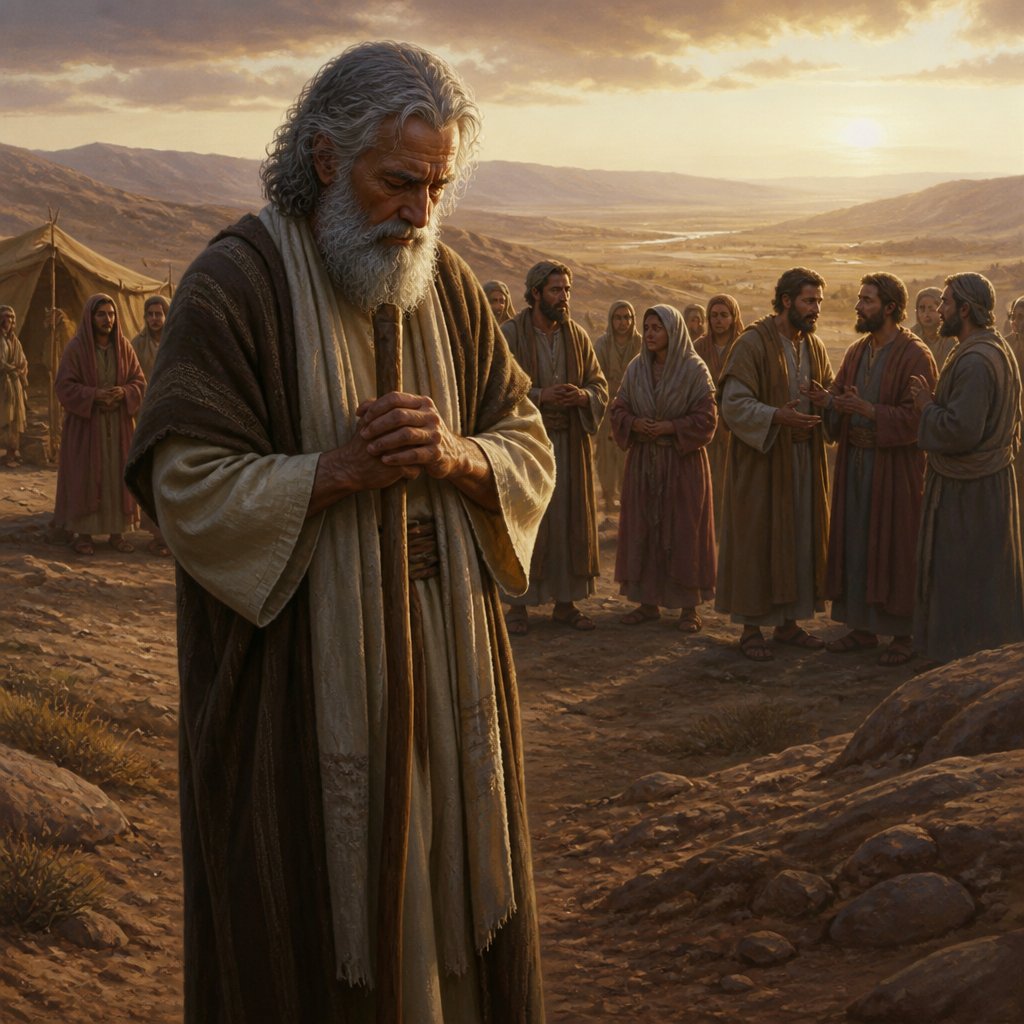
Deuteronomy 1:12 (KJV): "How can I myself alone bear your cumbrance, and your burden, and your strife?"
Leadership is a heavy mantle to wear, fraught with responsibilities that can often feel overwhelming. In Deuteronomy 1:12, the voice of Moses resonates deeply as he stands before the Israelites, expressing the tremendous weight of guiding such a multitude through the wilderness. His lament, "How can I myself alone bear your cumbrance, and your burden, and your strife?" encapsulates the oft-ignored truth that leadership is not merely about authority or power but about the capacity to bear the burdens of others.
Moses faced an immense challenge. Thousands of Israelites were journeying from slavery in Egypt into the Promised Land; their hopes, fears, and struggles were his to carry as their appointed leader. In this poignant moment, Moses is not merely complaining about the load he bears but is revealing an essential question about human limits in leadership. This verse compels us to examine our own lives, particularly in the roles we play as leaders, whether that be in our workplaces, homes, or communities.
First, let’s unpack the concept of "cumbrance." The Hebrew word signifies a weight or excess that hinders progress. In our lives, we too can feel "cumbrance" in our relationships, responsibilities, and expectations. This weight can lead to feelings of inadequacy and isolation, prompting us to question, "How can I bear this alone?" Just as Moses cried out, we often face the temptation to try to manage everything on our own, thinking we must be the sole solution to every problem. However, the wisdom gained from Moses's experience teaches us an invaluable lesson: effective leadership requires the collaboration and support of others.
Moses's mention of "burden" implies a weight that can become more than one can bear. In our busy lives, we frequently take on too much, believing that we must fulfill every role perfectly. In truth, the burdens we carry can often lead to a sense of burnout and can prevent us from fulfilling our God-given purpose. Jesus invites us to cast our burdens upon Him, as seen in Matthew 11:28-30, where He calls the weary to Him for rest. The key is understanding that we are not alone, and acknowledging this truth is liberating.
The reference to "strife" conveys conflict and contention, elements that are often present when leading others. In any group dynamic, disagreements are inevitable, and they can escalate quickly if not handled properly. As leaders, it is our job to address these conflicts, yet, like Moses, we must realize that we cannot manage these strifes in isolation. Building a support network and enlisting help can shift a heavy load into manageable pieces. This act of sharing the responsibility can foster unity, peace, and a collaborative spirit among the group.
Moreover, in his moment of vulnerability, Moses exemplifies humility. Acknowledging our limitations and seeking assistance doesn’t diminish our leadership; rather, it enhances it. When leaders invite others into the process, they empower those around them. In community, we find strength, and God often places certain individuals strategically around us to share in our burdens. In this, we fulfill the commandments to love one another and uphold each other in times of need.
In conclusion, as we reflect on Deuteronomy 1:12, let us recognize the importance of sharing our burdens with God and those He places in our lives. We can derive strength not just from our own resolve but by fostering relationships that support each other through challenges. Let this be a reminder that true leadership is not solitary but rather a harmonious blend of partnership and humility. Strive to build a community around you, and in doing so, you will find that the burdens you carry become lighter, and the journey more joyful.
Want to reflect more on Deuteronomy 1:12?
Continue your spiritual journey with Bible Chat — an AI-powered tool for exploring God's Word through conversation. Ask questions, discover connections, and deepen your understanding.
Get Our Apps


Deuteronomy 1:12 Artwork

Deuteronomy 1:12 - "How can I myself alone bear your cumbrance, and your burden, and your strife?"
"How can I myself alone bear your cumbrance, and your burden, and your strife?" - Deuteronomy 1:12

Deuteronomy 1:2 - "(There are eleven days' journey from Horeb by the way of mount Seir unto Kadesh-barnea.)"
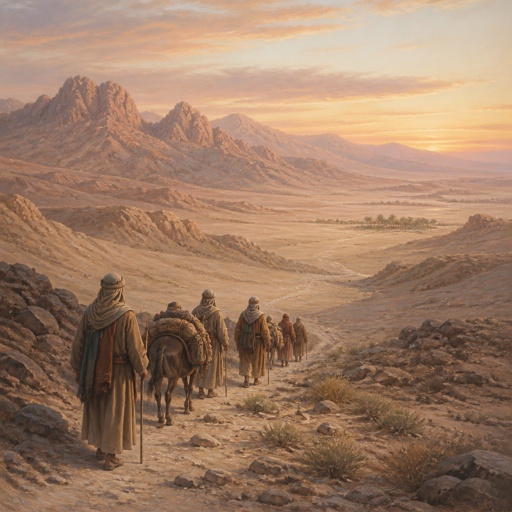
"(There are eleven days' journey from Horeb by the way of mount Seir unto Kadesh-barnea.)" - Deuteronomy 1:2

Deuteronomy 12:1 - "These are the statutes and judgments, which ye shall observe to do in the land, which the LORD God of thy fathers giveth thee to possess it, all the days that ye live upon the earth."

Deuteronomy 14:12 - "But these are they of which ye shall not eat: the eagle, and the ossifrage, and the ospray,"

Deuteronomy 24:12 - "And if the man be poor, thou shalt not sleep with his pledge:"

Hosea 1:2-11;2:14;3:5

Deuteronomy 12:4 - "Ye shall not do so unto the LORD your God."

Deuteronomy 12:24 - "Thou shalt not eat it; thou shalt pour it upon the earth as water."

Deuteronomy 32:12 - "So the LORD alone did lead him, and there was no strange god with him."

Deuteronomy 5:12 - "Keep the sabbath day to sanctify it, as the LORD thy God hath commanded thee."

Deuteronomy 20:12 - "And if it will make no peace with thee, but will make war against thee, then thou shalt besiege it:"

Deuteronomy 12:9 - "For ye are not as yet come to the rest and to the inheritance, which the LORD your God giveth you."

Deuteronomy 12:19 - "Take heed to thyself that thou forsake not the Levite as long as thou livest upon the earth."

Deuteronomy 12:16 - "Only ye shall not eat the blood; ye shall pour it upon the earth as water."

Deuteronomy 16:12 - "And thou shalt remember that thou wast a bondman in Egypt: and thou shalt observe and do these statutes."

Deuteronomy 34:12 - "And in all that mighty hand, and in all the great terror which Moses shewed in the sight of all Israel."

Deuteronomy 12:23 - "Only be sure that thou eat not the blood: for the blood is the life; and thou mayest not eat the life with the flesh."

Deuteronomy 12:13 - "Take heed to thyself that thou offer not thy burnt offerings in every place that thou seest:"

Deuteronomy 8:12 - "Lest when thou hast eaten and art full, and hast built goodly houses, and dwelt therein;"

Deuteronomy 23:12 - "¶ Thou shalt have a place also without the camp, whither thou shalt go forth abroad:"

Deuteronomy 22:12 - "¶ Thou shalt make thee fringes upon the four quarters of thy vesture, wherewith thou coverest thyself."

Deuteronomy 32:41

Deuteronomy 21:12 - "Then thou shalt bring her home to thine house; and she shall shave her head, and pare her nails;"

Deuteronomy 12:12 - "And ye shall rejoice before the LORD your God, ye, and your sons, and your daughters, and your menservants, and your maidservants, and the Levite that is within your gates; forasmuch as he hath no part nor inheritance with you."

Deuteronomy 6:12 - "Then beware lest thou forget the LORD, which brought thee forth out of the land of Egypt, from the house of bondage."

Deuteronomy 12:32 - "What thing soever I command you, observe to do it: thou shalt not add thereto, nor diminish from it."

Deuteronomy 12:22 - "Even as the roebuck and the hart is eaten, so thou shalt eat them: the unclean and the clean shall eat of them alike."

Deuteronomy 32:43