Guardians of Inheritance: The Sacredness of Boundaries
"¶ Thou shalt not remove thy neighbour's landmark, which they of old time have set in thine inheritance, which thou shalt inherit in the land that the LORD thy God giveth thee to possess it." - Deuteronomy 19:14
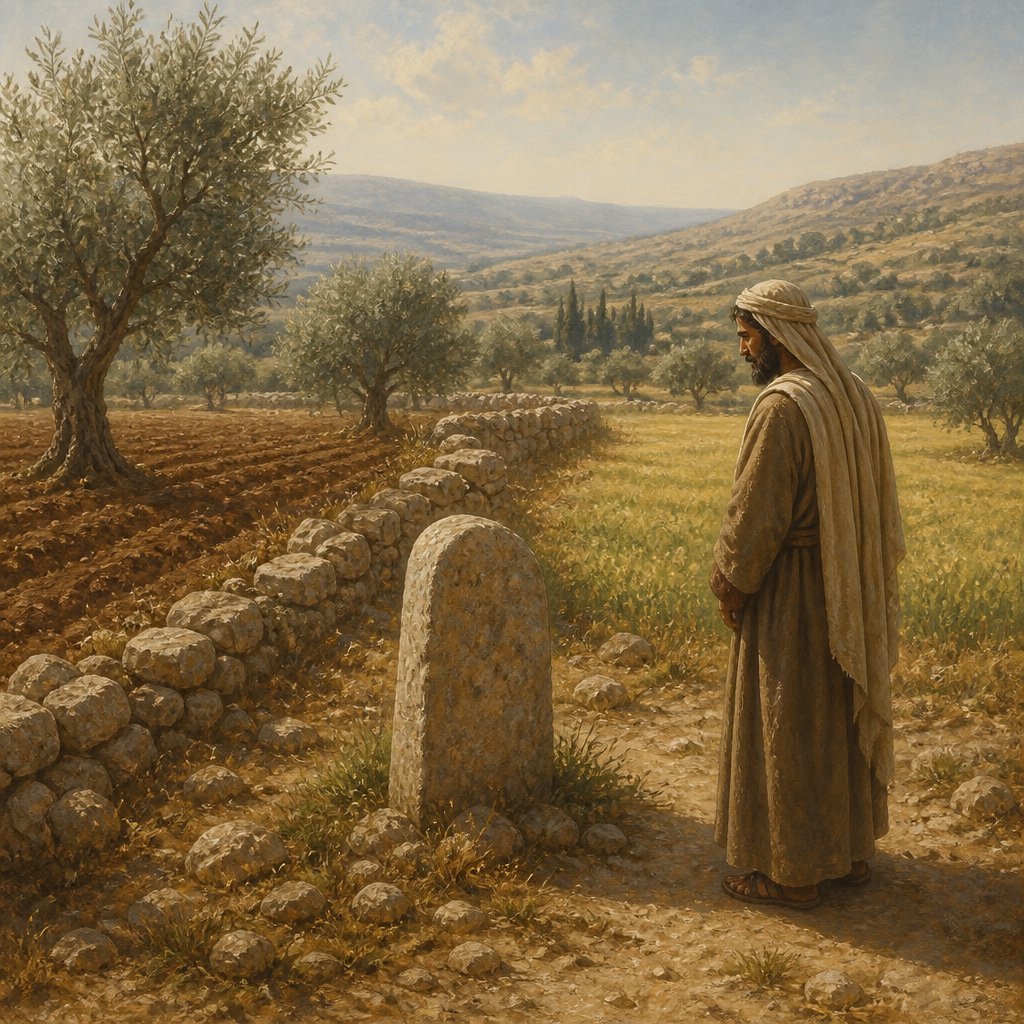
Deuteronomy 19:14 states, "Thou shalt not remove thy neighbour's landmark, which they of old time have set in thine inheritance, which thou shalt inherit in the land that the LORD thy God giveth thee to possess it." This powerful verse, nestled within the Law given to the Israelites, reveals profound truths about the importance of boundaries and respect for others’ rights, but it also speaks to a deeper theological understanding of what it means to be custodians of our inheritance.
In ancient Israel, landmarks symbolized more than mere property lines; they represented God’s first act of grace toward a people He led to freedom. The land was not just an economic resource but a divinely appointed inheritance. Each tribe and family received their portion, marking them as God's chosen and giving them a status and identity that tied into the broader narrative of God's redemptive plan. To tamper with these boundaries was, therefore, not just an act of theft but an affront to God's order and creation. Removing a neighbor's landmark was a way of declaring, "I will take what is rightfully yours to satisfy my own desires," thereby sowing discord and brokenness within the community.
This commandment goes beyond the mere act of physical trespass; it unearths issues of integrity, community, and familial honor. In the context of modern life, the idea of boundaries has been evolving, yet its significance remains as critical today as it was centuries ago. We often mistakenly equate personal ambition with the need to hoard or maneuver others out of their rightful positions. In doing so, we risk damaging relationships and undermining the very fabric of trust and community that God established.
Think for a moment about what it means to respect a neighbor's landmark today. This isn’t just geographical; it can refer to emotional, spiritual, and social boundaries. It involves acknowledging and valuing the contributions, experiences, and rights of those around us. When we respect the landmarks set by others—be it their time, space, or emotional well-being—we engage in acts of love, kindness, and community building. To ignore these landmarks may lead us to places where we find ourselves in conflict, resentment, or ultimately isolation.
Moreover, embracing this commandment also implicates us in the guardianship of our own inheritances. Each individual possesses a God-given legacy and purpose that should never be diminished or disrespected. It is a challenge to maintain our boundaries in a world that often encourages overreach, strive for influence, and promotes the idea of stepping on others to reach personal success. This command urges us to instead build up, uplift, and honor the pathways others have carved through diligence and divine calling.
Reflecting on the community aspect, we should remember that the Kingdom of God is established on relationships, with God and with one another. Our inheritance as Christ-followers also includes a spiritual identity that invites us to bless each other as opposed to begrudging. The integrity of our community is vital in showing the world what it means to live under God’s rule.
As followers of Christ, we can extend a heart that says, "I will respect your boundaries, cherish your gifts, and rejoice in your blessings." This approach transforms the community and strengthens bonds that glorify God. Each day presents opportunities to reaffirm not only our respect for others' landmarks but also to carefully cultivate and protect our own.
Let us pray for wisdom to see the boundaries set around us as sacred, and empowerment to defend our inheritance while honoring those of others. Let our actions reflect our understanding that we are not just stewards of our own destinies but of communal grace ordained by the Almighty.
Want to reflect more on Deuteronomy 19:14?
Continue your spiritual journey with Bible Chat — an AI-powered tool for exploring God's Word through conversation. Ask questions, discover connections, and deepen your understanding.
Get Our Apps


Deuteronomy 19:14 Artwork

Deuteronomy 19:14 - "¶ Thou shalt not remove thy neighbour's landmark, which they of old time have set in thine inheritance, which thou shalt inherit in the land that the LORD thy God giveth thee to possess it."
"¶ Thou shalt not remove thy neighbour's landmark, which they of old time have set in thine inheritance, which thou shalt inherit in the land that the LORD thy God giveth thee to possess it." - Deuteronomy 19:14

Deuteronomy 14:19 - "And every creeping thing that flieth is unclean unto you: they shall not be eaten."
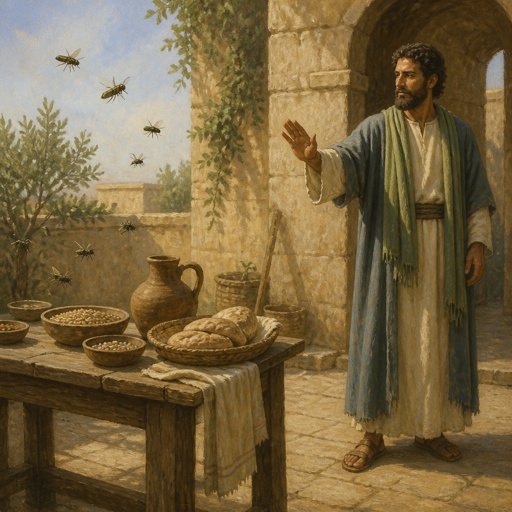
"And every creeping thing that flieth is unclean unto you: they shall not be eaten." - Deuteronomy 14:19

Deuteronomy 14:14 - "And every raven after his kind,"

Deuteronomy 30:19:

Deuteronomy 5:19 - "Neither shalt thou steal."

Deuteronomy 14:17 - "And the pelican, and the gier eagle, and the cormorant,"

"And every raven after his kind," - Deuteronomy 14:14

Deuteronomy 14:16 - "The little owl, and the great owl, and the swan,"

Deuteronomy 14:3 - "¶ Thou shalt not eat any abominable thing."

Deuteronomy 14:11 - "¶ Of all clean birds ye shall eat."

Deuteronomy 14:20 - "But of all clean fowls ye may eat."

Deuteronomy 14:13 - "And the glede, and the kite, and the vulture after his kind,"

Deuteronomy 10:19 - "Love ye therefore the stranger: for ye were strangers in the land of Egypt."

Deuteronomy 14:18 - "And the stork, and the heron after her kind, and the lapwing, and the bat."

Deuteronomy 14:12 - "But these are they of which ye shall not eat: the eagle, and the ossifrage, and the ospray,"

Deuteronomy 14:15 - "And the owl, and the night hawk, and the cuckow, and the hawk after his kind,"

Deuteronomy 29:14 - "Neither with you only do I make this covenant and this oath;"

Deuteronomy 19:7 - "Wherefore I command thee, saying, Thou shalt separate three cities for thee."

Deuteronomy 6:19 - "To cast out all thine enemies from before thee, as the LORD hath spoken."

"Neither shalt thou steal." - Deuteronomy 5:19

Deuteronomy 14:4 - "These are the beasts which ye shall eat: the ox, the sheep, and the goat,"

Numbers 19:14-19 Touching a dead is unclean

Genesis 19-14

Psalm 19:14

Deuteronomy 19:16 - "¶ If a false witness rise up against any man to testify against him that which is wrong;"

Deuteronomy 27:19 - "Cursed be he that perverteth the judgment of the stranger, fatherless, and widow. And all the people shall say, Amen."

Deuteronomy 19:19 - "Then shall ye do unto him, as he had thought to have done unto his brother: so shalt thou put the evil away from among you."

Deuteronomy 12:19 - "Take heed to thyself that thou forsake not the Levite as long as thou livest upon the earth."