The Weight of Authority: A Call to Humble Obedience
"And the man that will do presumptuously, and will not hearken unto the priest that standeth to minister there before the LORD thy God, or unto the judge, even that man shall die: and thou shalt put away the evil from Israel." - Deuteronomy 17:12
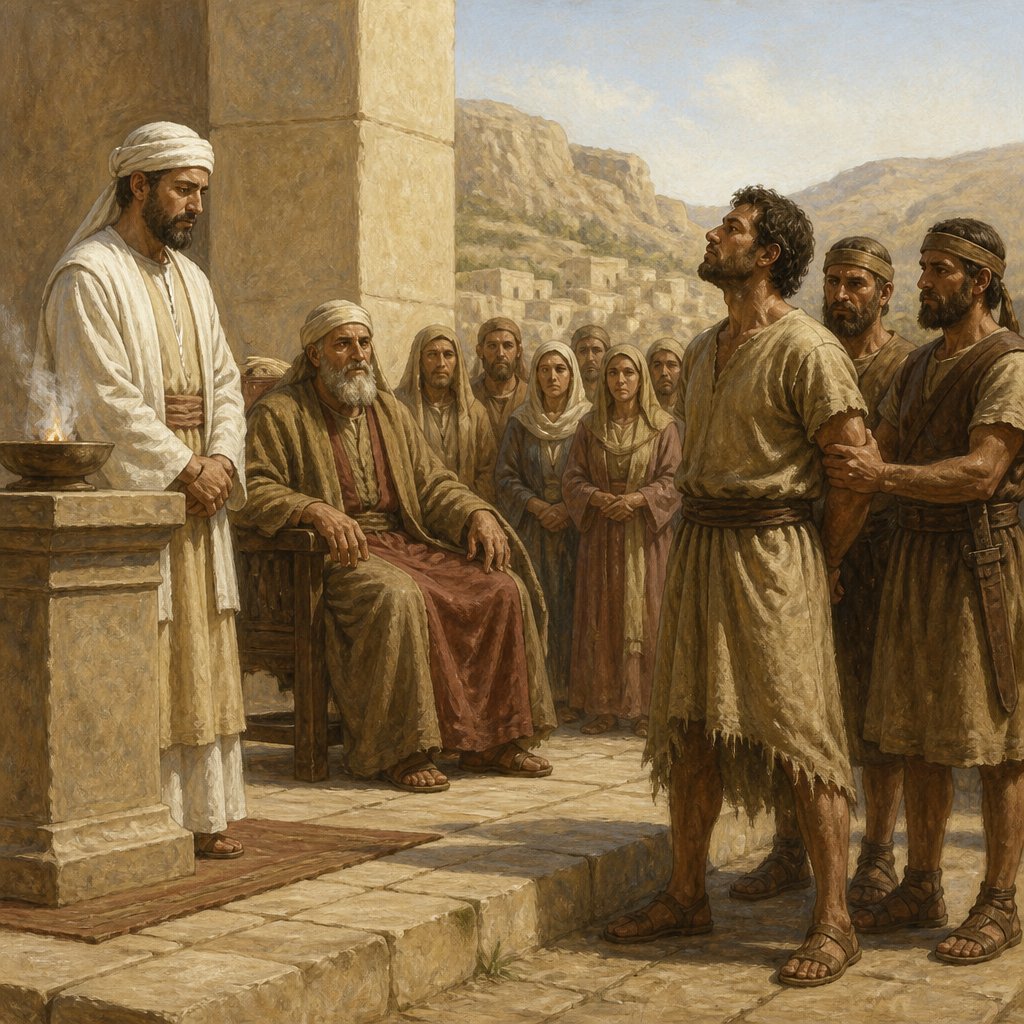
In Deuteronomy 17:12, we are confronted with a weighty admonition from the Lord: "And the man that will do presumptuously, and will not hearken unto the priest that standeth to minister there before the LORD thy God, or unto the judge, even that man shall die: and thou shalt put away the evil from Israel." At first glance, this verse may appear harsh or outdated, particularly in our contemporary society where individualism and personal interpretative freedoms are highly valued. Yet, upon deeper reflection, this scripture calls us into an understanding of authority, accountability, and the necessity of humility before God’s chosen leaders.
The first key concept in this passage is the idea of doing "presumptuously." To act presumptuously means to assume authority or take actions based on one's own judgment without due consideration for God’s ordained structures. In the context of Israel, God had set up a system of priests and judges to provide guidance, discernment, and leadership in matters of spiritual and moral importance. The leaders were not merely human representatives but were divinely appointed to help the people stay in right relationship with God.
In the New Testament, we are reminded of Romans 13:1, which states, "Let every soul be subject unto the higher powers. For there is no power but of God: the powers that be are ordained of God." This continuity reflects God's desire to maintain order and righteousness within His people. To disregard the authority of a priest or a judge is to disregard God Himself, as these leaders act in His name. Herein lies the gravity of the warning—those who act presumptuously bring harm not only to themselves but also to the community, ultimately leading to chaos and separation from God.
Moreover, humility is a profound virtue emphasized throughout Scripture. Proverbs 11:2 states, "When pride cometh, then cometh shame: but with the lowly is wisdom." The act of listening to those God has placed in authority is an act of humility and obedience. Humility opens the door to wisdom, understanding, and a deeper relationship with God. It requires a trust that His appointed leaders—flawed though they may be—are used as instruments to guide His people.
The solemn consequence of presumptuous actions, as outlined in this verse, was death. This potent imagery serves as a reminder of how seriously God takes the established order and disobedience. This may elicit feelings of fear or anxiety, but it also reflects the reality that sin, when left unchecked, leads to death—not just physically but spiritually. The call to "put away the evil from Israel" underscores that God seeks to protect His people from the destructive nature of sin by establishing boundaries and accountability.
Yet, in understanding this passage, one must also remember the character of God, who is rich in mercy and grace. The law reflects His desire for His people to thrive under His guidance. Jesus Himself came to fulfill the law and offer a path to redemption and restoration. When we see the weight of the sin we carry, we also recognize the profound joy and relief that comes from grace. The call here is not to diminish grace but to affirm the seriousness of our obedience.
Reflecting on this passage invites us to assess our current response to authority. Are we approaching our spiritual leaders with reverence and humility? Are we listening, not just hearing, the counsel they provide? In a world inundated with information and opinions, recognizing God’s voice through our leaders can be transformative.
Let us pray for hearts that are humble, ready to submit to God’s will as expressed through those He has placed in our lives. May we avoid the pitfalls of presumption, seeking rather to live in obedience and reverence, thus drawing nearer to the Lord and enriching our community in faith.
Want to reflect more on Deuteronomy 17:12?
Continue your spiritual journey with Bible Chat — an AI-powered tool for exploring God's Word through conversation. Ask questions, discover connections, and deepen your understanding.
Get Our Apps


Deuteronomy 17:12 Artwork

Deuteronomy 17:12 - "And the man that will do presumptuously, and will not hearken unto the priest that standeth to minister there before the LORD thy God, or unto the judge, even that man shall die: and thou shalt put away the evil from Israel."
"And the man that will do presumptuously, and will not hearken unto the priest that standeth to minister there before the LORD thy God, or unto the judge, even that man shall die: and thou shalt put away the evil from Israel." - Deuteronomy 17:12

Deuteronomy 5:17 - "Thou shalt not kill."

Deuteronomy 14:17 - "And the pelican, and the gier eagle, and the cormorant,"
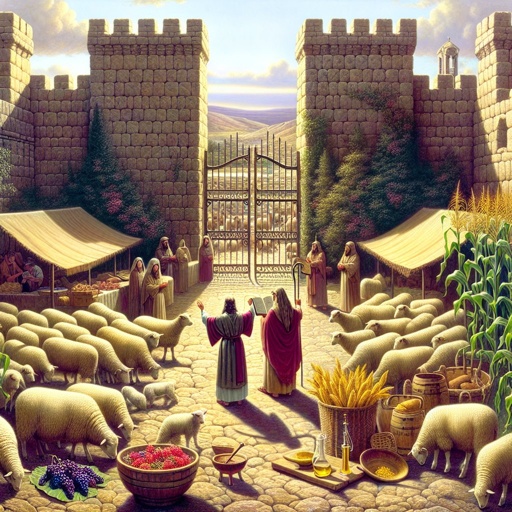
Deuteronomy 12:17 - "¶ Thou mayest not eat within thy gates the tithe of thy corn, or of thy wine, or of thy oil, or the firstlings of thy herds or of thy flock, nor any of thy vows which thou vowest, nor thy freewill offerings, or heave offering of thine hand:"

Deuteronomy 2:17 - "That the LORD spake unto me, saying,"

Deuteronomy 28:17 - "Cursed shall be thy basket and thy store."

"Thou shalt not kill." - Deuteronomy 5:17

Deuteronomy 23:17 - "¶ There shall be no whore of the daughters of Israel, nor a sodomite of the sons of Israel."

Deuteronomy 17:13 - "And all the people shall hear, and fear, and do no more presumptuously."

Deuteronomy 17:17 - "Neither shall he multiply wives to himself, that his heart turn not away: neither shall he greatly multiply to himself silver and gold."

Deuteronomy 4:17 - "The likeness of any beast that is on the earth, the likeness of any winged fowl that flieth in the air,"

"And the pelican, and the gier eagle, and the cormorant," - Deuteronomy 14:17

Deuteronomy 18:17 - "And the LORD said unto me, They have well spoken that which they have spoken."

Deuteronomy 14:12 - "But these are they of which ye shall not eat: the eagle, and the ossifrage, and the ospray,"

Deuteronomy 24:12 - "And if the man be poor, thou shalt not sleep with his pledge:"

Deuteronomy 27:17 - "Cursed be he that removeth his neighbour's landmark. And all the people shall say, Amen."

Deuteronomy 12:4 - "Ye shall not do so unto the LORD your God."

Genesis 17-12

Deuteronomy 24:17 - "¶ Thou shalt not pervert the judgment of the stranger, nor of the fatherless; nor take a widow's raiment to pledge:"

"That the LORD spake unto me, saying," - Deuteronomy 2:17

Deuteronomy 12:24 - "Thou shalt not eat it; thou shalt pour it upon the earth as water."

Deuteronomy 32:12 - "So the LORD alone did lead him, and there was no strange god with him."

Deuteronomy 29:17 - "And ye have seen their abominations, and their idols, wood and stone, silver and gold, which were among them:)"

Deuteronomy 8:17 - "And thou say in thine heart, My power and the might of mine hand hath gotten me this wealth."

Deuteronomy 5:12 - "Keep the sabbath day to sanctify it, as the LORD thy God hath commanded thee."

Deuteronomy 20:12 - "And if it will make no peace with thee, but will make war against thee, then thou shalt besiege it:"

Deuteronomy 25:17 - "¶ Remember what Amalek did unto thee by the way, when ye were come forth out of Egypt;"

Deuteronomy 7:17 - "If thou shalt say in thine heart, These nations are more than I; how can I dispossess them?"

Deuteronomy 17:4 - "And it be told thee, and thou hast heard of it, and enquired diligently, and, behold, it be true, and the thing certain, that such abomination is wrought in Israel:"