The Sanctuary of Holiness: Upholding True Worship
"¶ Thou shalt not plant thee a grove of any trees near unto the altar of the LORD thy God, which thou shalt make thee." - Deuteronomy 16:21
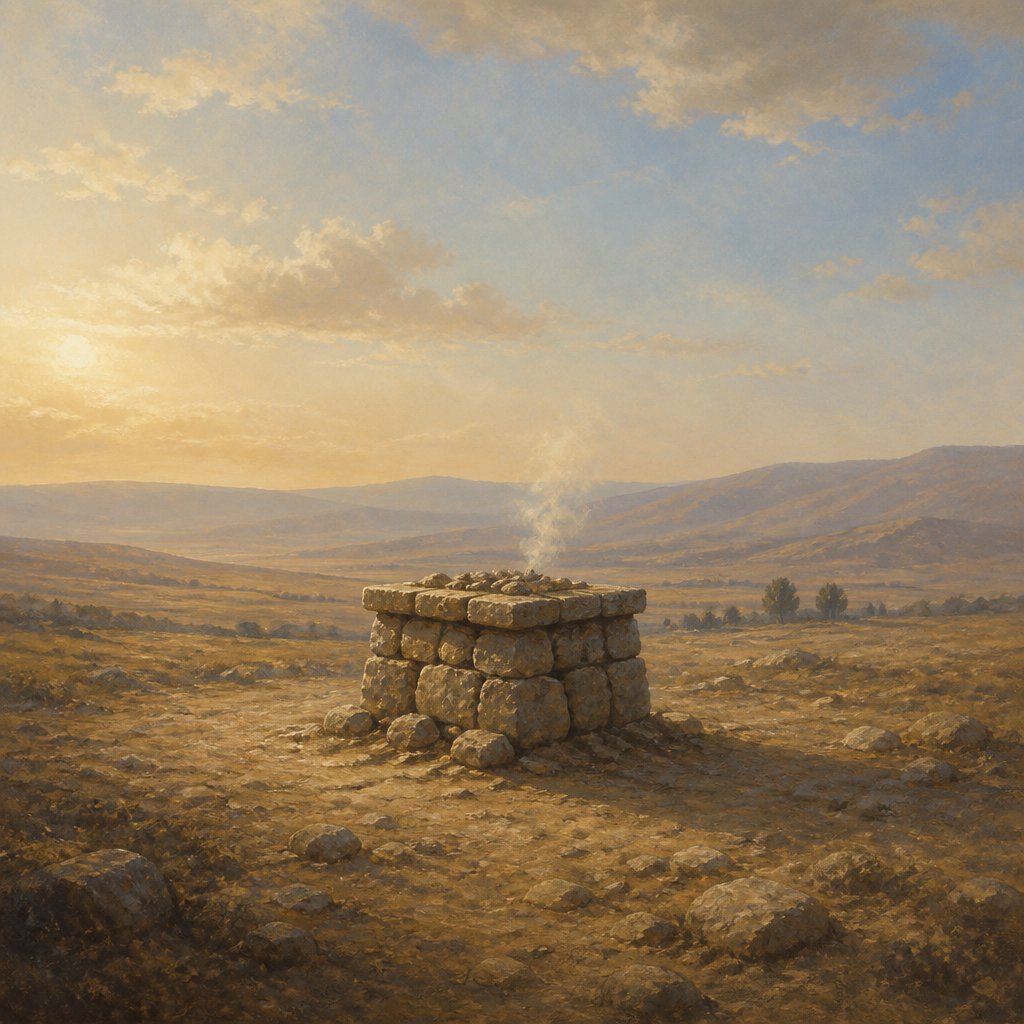
In Deuteronomy 16:21, we find a specific commandment that seems simple on the surface: "Thou shalt not plant thee a grove of any trees near unto the altar of the LORD thy God, which thou shalt make thee." This instruction, while relating to the physical practices of ancient Israel, carries profound implications for how we approach worship and sanctity in our modern lives.
The context of this verse arises during the Israelites’ preparation to enter the Promised Land, where they would be establishing their worship practices. The command not to plant a grove of trees near the altar was a protective measure to ensure that their worship was distinct and holy. In the ancient Near East, groves were often associated with pagan worship, where fertility rites and other idolatrous practices took place. Therefore, creating a grove near the altar could lead to a blending of worship styles, confusing the sanctity of true worship of the one true God with the surrounding polytheistic practices.
This directive holds relevance beyond its immediate implications. It serves as a metaphor for our worship today. The principle here emphasizes that our relationship with God should be unmarred by the influences of the world. It calls us to reflect on the purity of our worship and our devotion to God. Are there elements in our lives—whether they be influences from society, distractions, or even sinful habits—that resemble the grove in this verse? Do they cloud our devotion and lead our hearts away from the altar of true worship?
As believers, our altar is where we meet God—through our prayers, our intentions, our offerings, and our lives. Every time we come before God, we should approach with a heart of reverence, expecting to encounter His holiness without the contamination of worldly influence. Thus, Deuteronomy 16:21 serves as a reminder for us to carefully evaluate what surrounds our communion with God.
Consider the modern-day equivalent of 'planting groves.' These can take the form of distractions—perhaps an overindulgence in entertainment or the busyness of life that chokes out our spiritual growth. It can even be relationships or ideologies that steer us away from God’s principles. In Matthew 13:22, Jesus speaks to this idea when discussing the parable of the sower, explaining how the cares of this world and the deceitfulness of riches choke the word, preventing it from bearing fruit.
To honor this command, we must actively cultivate a sacred space in our lives—one that is free from the contaminants of secular wisdom that is at odds with God’s truth. This might mean making intentional choices about how we spend our time and whom we allow to influence our thinking. Are we allowing our surroundings, our routines, or our priorities to grow unchecked near the altar of our hearts? Just as the Israelites were admonished to keep their worship pure, we too are called to guard the purity of our faith and our relationship with God.
In practical terms, this could involve setting aside dedicated time for prayer and reading the Word, ensuring that our hearts and minds are aligned with the values of God. It might also mean engaging more intentionally with our church communities, seeking accountability and encouragement from fellow believers who are cultivating a grove of holiness around their altars.
Ultimately, Deuteronomy 16:21 challenges us to reflect deeply on our worship. Are we coming before God in holiness, or are we allowing the groves of this world to settle too close to our altars? Let us heed this wisdom, making a conscious effort to protect the integrity of our worship, ensuring that what we offer to God is untainted and sincere.
Want to reflect more on Deuteronomy 16:21?
Continue your spiritual journey with Bible Chat — an AI-powered tool for exploring God's Word through conversation. Ask questions, discover connections, and deepen your understanding.
Get Our Apps


Deuteronomy 16:21 Artwork

Deuteronomy 16:21 - "¶ Thou shalt not plant thee a grove of any trees near unto the altar of the LORD thy God, which thou shalt make thee."
"¶ Thou shalt not plant thee a grove of any trees near unto the altar of the LORD thy God, which thou shalt make thee." - Deuteronomy 16:21

Deuteronomy 21:16 - "Then it shall be, when he maketh his sons to inherit that which he hath, that he may not make the son of the beloved firstborn before the son of the hated, which is indeed the firstborn:"

Deuteronomy 1.1-21

Deuteronomy 20:16

Deuteronomy 20:16

Deuteronomy 20:16

Deuteronomy 14:16 - "The little owl, and the great owl, and the swan,"

Deuteronomy 10:16 - "Circumcise therefore the foreskin of your heart, and be no more stiffnecked."

Deuteronomy 28:16 - "Cursed shalt thou be in the city, and cursed shalt thou be in the field."

Genesis 21-16

Deuteronomy 27:21 - "Cursed be he that lieth with any manner of beast. And all the people shall say, Amen."

Deuteronomy 32:16 - "They provoked him to jealousy with strange gods, with abominations provoked they him to anger."

Deuteronomy 21:21 - "And all the men of his city shall stone him with stones, that he die: so shalt thou put evil away from among you; and all Israel shall hear, and fear."

Deuteronomy 7:21 - "Thou shalt not be affrighted at them: for the LORD thy God is among you, a mighty God and terrible."

Deuteronomy 21:7 - "And they shall answer and say, Our hands have not shed this blood, neither have our eyes seen it."

Deuteronomy 18:21 - "And if thou say in thine heart, How shall we know the word which the LORD hath not spoken?"

Luke 2:16 - 21

Deuteronomy 6:16 - "¶ Ye shall not tempt the LORD your God, as ye tempted him in Massah."

Leviticus 21:16 - "¶ And the LORD spake unto Moses, saying,"

Deuteronomy 21:22 - "¶ And if a man have committed a sin worthy of death, and he be to be put to death, and thou hang him on a tree:"

Deuteronomy 2:21 - "A people great, and many, and tall, as the Anakims; but the LORD destroyed them before them; and they succeeded them, and dwelt in their stead:"

Deuteronomy 21:6 - "And all the elders of that city, that are next unto the slain man, shall wash their hands over the heifer that is beheaded in the valley:"

Deuteronomy 19:16 - "¶ If a false witness rise up against any man to testify against him that which is wrong;"

Deuteronomy 16:12 - "And thou shalt remember that thou wast a bondman in Egypt: and thou shalt observe and do these statutes."

Deuteronomy 12:16 - "Only ye shall not eat the blood; ye shall pour it upon the earth as water."

Deuteronomy 25:16 - "For all that do such things, and all that do unrighteously, are an abomination unto the LORD thy God."
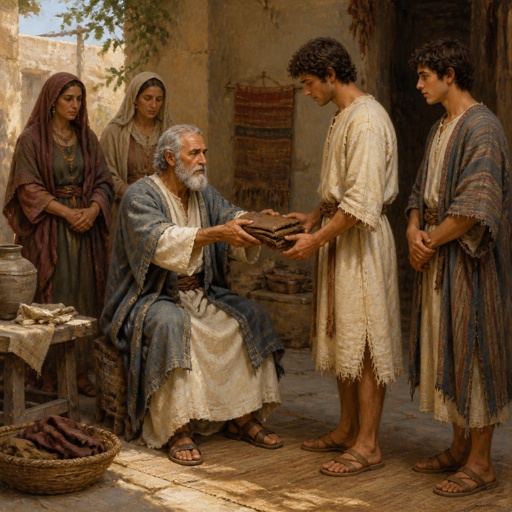
"Then it shall be, when he maketh his sons to inherit that which he hath, that he may not make the son of the beloved firstborn before the son of the hated, which is indeed the firstborn:" - Deuteronomy 21:16

Deuteronomy 24:21 - "When thou gatherest the grapes of thy vineyard, thou shalt not glean it afterward: it shall be for the stranger, for the fatherless, and for the widow."

Deuteronomy 21:12 - "Then thou shalt bring her home to thine house; and she shall shave her head, and pare her nails;"