The Lord's Release: A Divine Call to Generosity
"And this is the manner of the release: Every creditor that lendeth ought unto his neighbour shall release it; he shall not exact it of his neighbour, or of his brother; because it is called the LORD'S release." - Deuteronomy 15:2
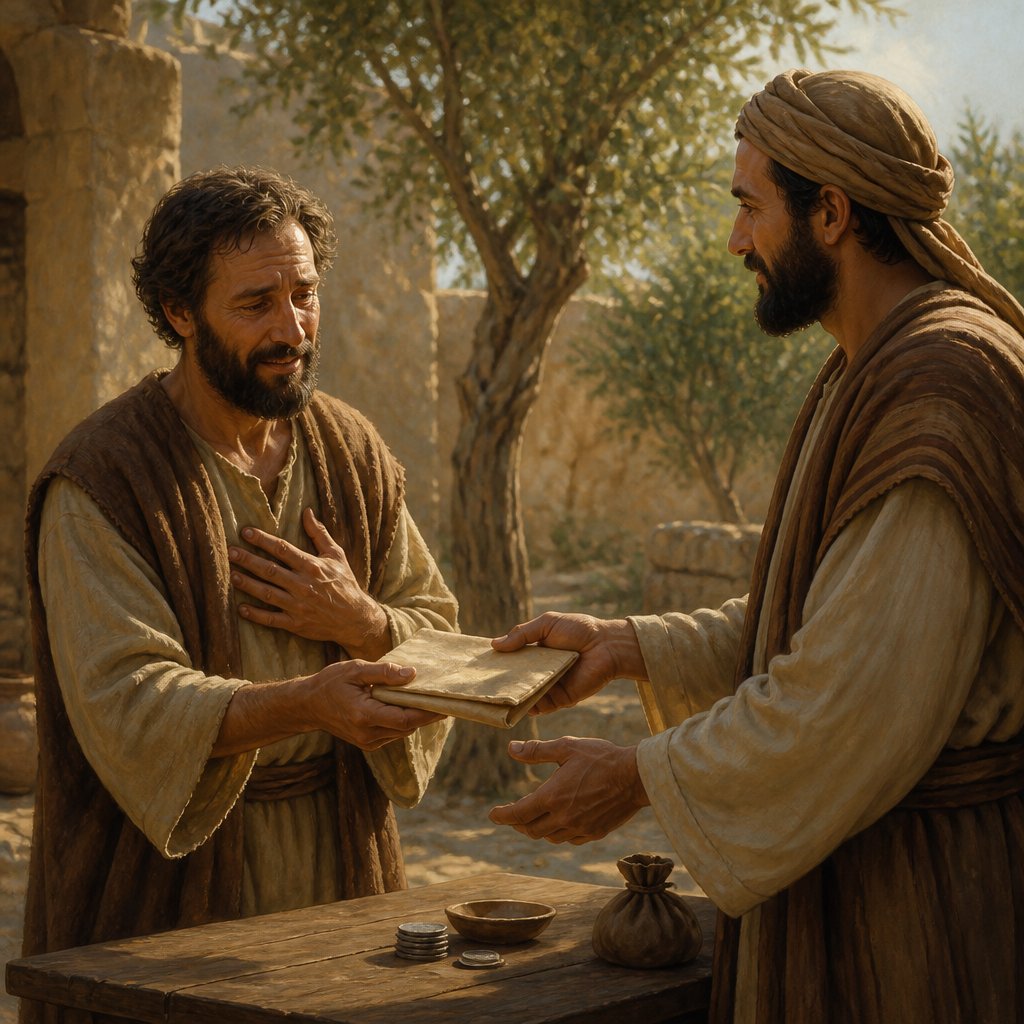
Deuteronomy 15:2 states, "And this is the manner of the release: Every creditor that lendeth ought unto his neighbour shall release it; he shall not exact it of his neighbour, or of his brother; because it is called the LORD'S release." At first glance, this verse addresses the practical concerns of debt and financial obligation among the people of Israel. However, a deeper exploration reveals profound layers of spiritual significance, moral duty, and the nature of God's covenantal love.
In ancient Israel, the practice of debt cancellation every seven years served not only as a law but as a demonstration of God’s grace and mercy. The command to release debts was deeply tied to ideas of community, equity, and justice. God ordained this form of economic reset as a means to ensure that no member of the community would be left in perpetual bondage to debt. This was not merely about economic fairness; it was a display of the Kingdom values—compassion, kindness, and justice.
The phrase "the LORD'S release" reminds us that these practices were instituted by God Himself. Thus, it was a manifestation of His character and the way He desires human relationships to operate. God’s release of debts reflects His ultimate generosity as manifested in Christ’s redemption of humanity from sin. Just as God forgives us freely, we are called to extend forgiveness—including in the realm of financial obligations. When we forgive debts, we mimic the loving nature of our Creator, acknowledging that all we have is a gift from Him and that we are stewards, not owners, of our resources.
From a practical standpoint, we live in a world that thrives on accumulating wealth at the expense of others. The principle of the LORD'S release offers a radical counter-narrative—a challenge to loosen our grip on material possessions and allow for the freedom of those around us. It is a declaration that relationships, restoration, and community hold greater value than profit. In doing so, we affirm that we trust in God’s provision rather than in our financial security. This act of releasing and forgiving our neighbors, especially in their hardship, resonates deeply with Jesus’ teaching to love our neighbor as ourselves.
The implications of this principle extend beyond mere monetary transactions into the realm of our emotional and spiritual dealings with others. How often do we hold grudges, refusing to release the past hurts inflicted by those close to us? Just as the cancellation of debts symbolizes a clean slate, so too does forgiveness offer a fresh start. When we choose to release our grievances, we engage in a transformative act that fosters healing—not only in our own hearts but also in the lives of those we forgive.
Furthermore, the call to release our neighbors points toward inclusivity in community. God’s economy operates on the premise that we willingly invest in one another's wellbeing, sharing burdens and acknowledging our interdependence. This interaction enriches community ties and reflects God’s overarching theme of love and unity. When we embody the spirit of the LORD'S release, we create spaces where grace abounds, and lives are transformed.
As we reflect on Deuteronomy 15:2, let us consider where we may be holding onto past debts—financial, emotional, or relational. Ask yourself how you might embody this principle in your life. Are there individuals God is prompting you to forgive? Are there ways in which you can support those in need, echoing the sentiment of releasing debts? In doing so, we not only honor God’s command but also align ourselves with a lifestyle that reflects the heart of His Kingdom.
Allow the practice of the LORD'S release to inspire a transformation in your approach to generosity and forgiveness. Remember that in releasing others, we, too, are liberated—freed to embrace the fullness of God’s love and grace.
Want to reflect more on Deuteronomy 15:2?
Continue your spiritual journey with Bible Chat — an AI-powered tool for exploring God's Word through conversation. Ask questions, discover connections, and deepen your understanding.
Get Our Apps


Deuteronomy 15:2 Artwork

Deuteronomy 15:2 - "And this is the manner of the release: Every creditor that lendeth ought unto his neighbour shall release it; he shall not exact it of his neighbour, or of his brother; because it is called the LORD'S release."
"And this is the manner of the release: Every creditor that lendeth ought unto his neighbour shall release it; he shall not exact it of his neighbour, or of his brother; because it is called the LORD'S release." - Deuteronomy 15:2

Deuteronomy 2:15 - "For indeed the hand of the LORD was against them, to destroy them from among the host, until they were consumed."

Deuteronomy 3:15 - "And I gave Gilead unto Machir."

Deuteronomy 14:15 - "And the owl, and the night hawk, and the cuckow, and the hawk after his kind,"

Deuteronomy 15:1 - "At the end of every seven years thou shalt make a release."
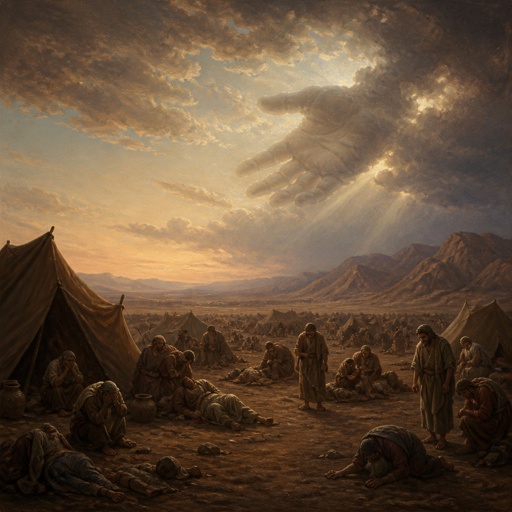
"For indeed the hand of the LORD was against them, to destroy them from among the host, until they were consumed." - Deuteronomy 2:15

Deuteronomy 33:15 - "And for the chief things of the ancient mountains, and for the precious things of the lasting hills,"

Deuteronomy 15:15 - "And thou shalt remember that thou wast a bondman in the land of Egypt, and the LORD thy God redeemed thee: therefore I command thee this thing to day."

Deuteronomy 31:15 - "And the LORD appeared in the tabernacle in a pillar of a cloud: and the pillar of the cloud stood over the door of the tabernacle."

Deuteronomy 11:15 - "And I will send grass in thy fields for thy cattle, that thou mayest eat and be full."

Deuteronomy 30:15 - "¶ See, I have set before thee this day life and good, and death and evil;"

Deuteronomy 2:2 - "And the LORD spake unto me, saying,"

Deuteronomy 15:23 - "Only thou shalt not eat the blood thereof; thou shalt pour it upon the ground as water."

"And I gave Gilead unto Machir." - Deuteronomy 3:15

Deuteronomy 15:3 - "Of a foreigner thou mayest exact it again: but that which is thine with thy brother thine hand shall release;"

Deuteronomy 23:15 - "¶ Thou shalt not deliver unto his master the servant which is escaped from his master unto thee:"

Deuteronomy 29:15 - "But with him that standeth here with us this day before the LORD our God, and also with him that is not here with us this day:"

Deuteronomy 15:22 - "Thou shalt eat it within thy gates: the unclean and the clean person shall eat it alike, as the roebuck, and as the hart."

Deuteronomy 15:13 - "And when thou sendest him out free from thee, thou shalt not let him go away empty:"

Deuteronomy 22:15 - "Then shall the father of the damsel, and her mother, take and bring forth the tokens of the damsel's virginity unto the elders of the city in the gate:"

Deuteronomy 20:15 - "Thus shalt thou do unto all the cities which are very far off from thee, which are not of the cities of these nations."

Deuteronomy 15:21 - "And if there be any blemish therein, as if it be lame, or blind, or have any ill blemish, thou shalt not sacrifice it unto the LORD thy God."

Deuteronomy 9:15 - "So I turned and came down from the mount, and the mount burned with fire: and the two tables of the covenant were in my two hands."

Deuteronomy 15:20 - "Thou shalt eat it before the LORD thy God year by year in the place which the LORD shall choose, thou and thy household."

Deuteronomy 2:17 - "That the LORD spake unto me, saying,"

Deuteronomy 15:8 - "But thou shalt open thine hand wide unto him, and shalt surely lend him sufficient for his need, in that which he wanteth."

Deuteronomy 15:5 - "Only if thou carefully hearken unto the voice of the LORD thy God, to observe to do all these commandments which I command thee this day."
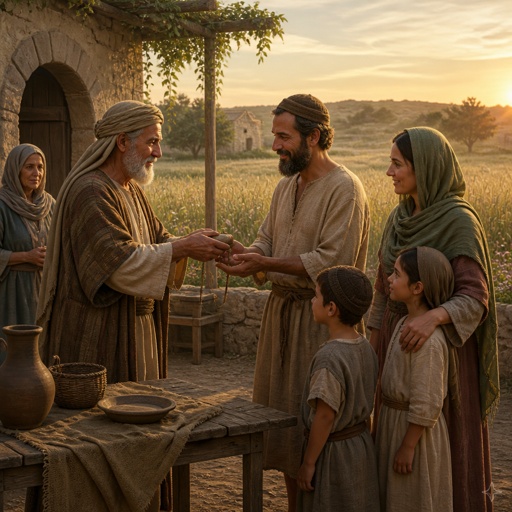
"At the end of every seven years thou shalt make a release." - Deuteronomy 15:1

"And the owl, and the night hawk, and the cuckow, and the hawk after his kind," - Deuteronomy 14:15