Purity and Distinction: God’s Call to Holiness
"Nevertheless these ye shall not eat of them that chew the cud, or of them that divide the cloven hoof; as the camel, and the hare, and the coney: for they chew the cud, but divide not the hoof; therefore they are unclean unto you." - Deuteronomy 14:7
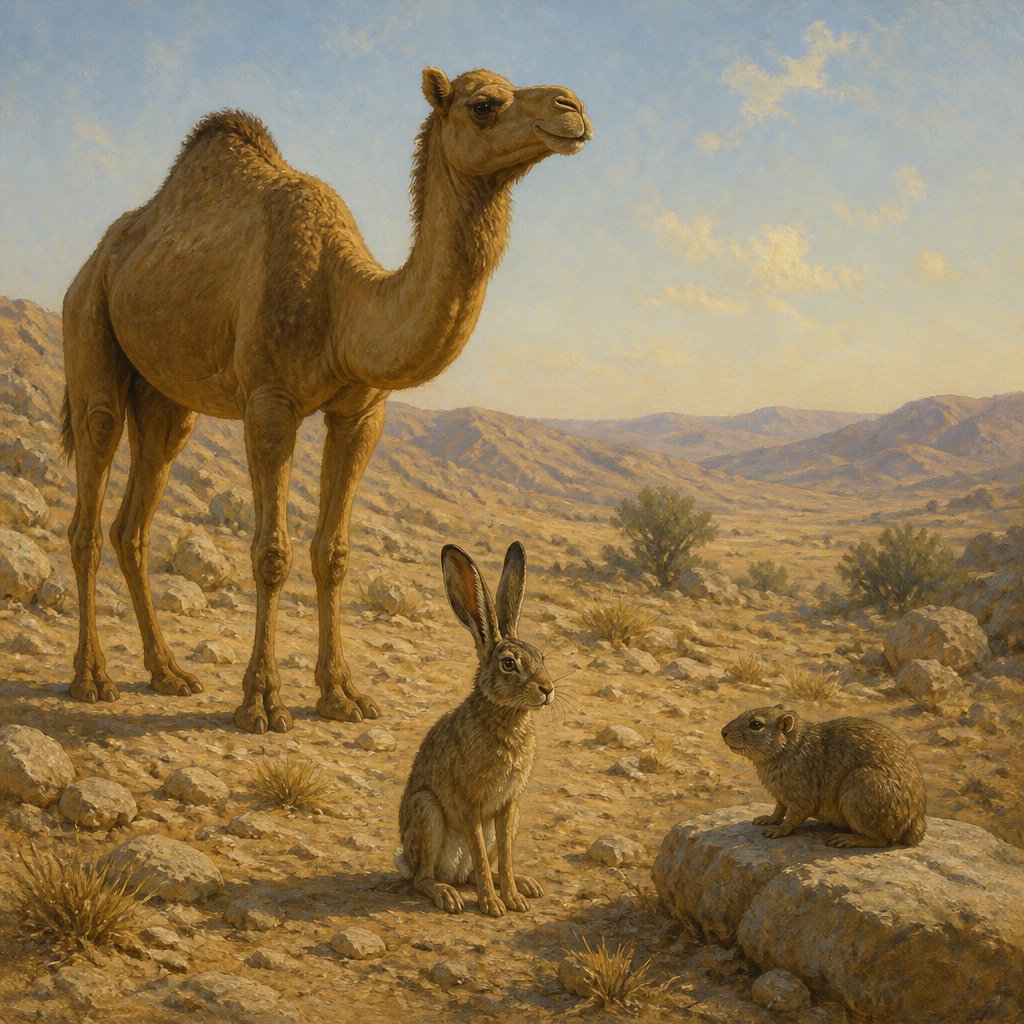
In Deuteronomy 14:7, we encounter a fascinating aspect of the Mosaic Law: "Nevertheless these ye shall not eat of them that chew the cud, or of them that divide the cloven hoof; as the camel, and the hare, and the coney: for they chew the cud, but divide not the hoof; therefore they are unclean unto you" (KJV). At first glance, this verse appears to be a trivial list of dietary restrictions; however, within it lies profound theological significance that speaks to our relationship with God and the call to holiness in our daily lives.
The Israelites were given a detailed dietary law as part of their covenant relationship with God. This was not merely about what to eat or avoid but about maintaining a life distinct from the nations surrounding them. The creatures mentioned — the camel, the hare, and the coney — have specific traits: they chew the cud, indicating a form of digestion that signifies a certain level of separation from the mundane; yet, they lack the complete distinction required delineated by the cloven hoof. This symbol of partial adherence reflects a deeper moral and spiritual message.
God’s command to the Israelites underscores the principle of separation — a recurring theme throughout Scripture. They were called to be a holy people, set apart for Him, and this dietary law was a practical expression of that identity. Today, we are often faced with similar challenges — the temptation to blend in with the culture around us, to partake in ideas or practices that, while common, are not reflective of a life dedicated to God. Just as certain animals were deemed unclean because they did not fully meet God’s requirements for cleanliness, we, too, must examine our lives under the lens of divine holiness.
Biblically, chewing the cud can represent a process of meditation, a slow and intentional digesting of truth. As believers today, how often do we take the time to meditate upon God’s Word? Are we engaging in practices that allow for spiritual and moral digestion, or are we consuming the fast-food spirituality that our society offers? God seeks not just our avoidance of sin but our full engagement in the process of spiritual maturation.
The mention of the cloven hoof serves as a reminder of the necessity for clear moral delineation. The hoof, or foot, in biblical symbolism, often represents one’s walk or conduct. Likewise, in our lives, how we walk — the choices we make and the paths we tread — should reflect the singularity of our commitment to Christ. We must continually assess whether our daily decisions reflect a life consumed by God’s standard of holiness or whether we are diluting our faith to fit in with secular values.
In praying through this verse, we must also consider the implications for our relationship with others. Our calling to be distinct does not mean isolation; rather, it invites us to engage the world as agents of change, reflecting the light and love of Christ. As we dine with others, both literally and figuratively, might we encourage conversations that draw attention to God’s truth and grace? Like the clean animals, which are allowed to be consumed, our interactions should invite those around us to taste and see that the Lord is good — without compromising our distinctiveness.
Ultimately, Deuteronomy 14:7 calls us to a life of intentionality. Holiness is not simply about what we refrain from but about who we are becoming in Christ. The animals that God calls unclean serve as a metaphor for the parts of our lives that may seem acceptable but do not measure up to His divine standards. Let us examine our hearts and lives, ensuring that we are not just appearances — chewing the cud in our spiritual lives but failing to walk rightly in our daily conduct. We are empowered by the grace of Jesus to pursue purity and live out our call to holiness in a world in desperate need of hope.
Want to reflect more on Deuteronomy 14:7?
Continue your spiritual journey with Bible Chat — an AI-powered tool for exploring God's Word through conversation. Ask questions, discover connections, and deepen your understanding.
Get Our Apps


Deuteronomy 14:7 Artwork
Deuteronomy 14:7 - "Nevertheless these ye shall not eat of them that chew the cud, or of them that divide the cloven hoof; as the camel, and the hare, and the coney: for they chew the cud, but divide not the hoof; therefore they are unclean unto you."
"Nevertheless these ye shall not eat of them that chew the cud, or of them that divide the cloven hoof; as the camel, and the hare, and the coney: for they chew the cud, but divide not the hoof; therefore they are unclean unto you." - Deuteronomy 14:7

Deuteronomy 7:14 - "Thou shalt be blessed above all people: there shall not be male or female barren among you, or among your cattle."

Deuteronomy 14:14 - "And every raven after his kind,"

Deuteronomy 14:17 - "And the pelican, and the gier eagle, and the cormorant,"

"And every raven after his kind," - Deuteronomy 14:14

Deuteronomy 14:16 - "The little owl, and the great owl, and the swan,"
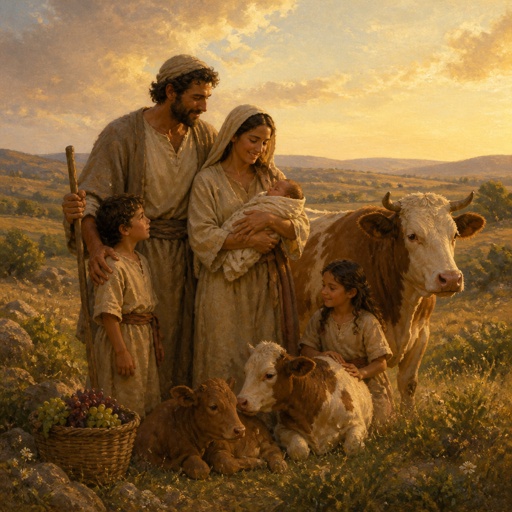
"Thou shalt be blessed above all people: there shall not be male or female barren among you, or among your cattle." - Deuteronomy 7:14

Deuteronomy 14:3 - "¶ Thou shalt not eat any abominable thing."

Deuteronomy 14:11 - "¶ Of all clean birds ye shall eat."

Deuteronomy 14:20 - "But of all clean fowls ye may eat."

Deuteronomy 14:13 - "And the glede, and the kite, and the vulture after his kind,"

Deuteronomy 14:18 - "And the stork, and the heron after her kind, and the lapwing, and the bat."

Deuteronomy 14:12 - "But these are they of which ye shall not eat: the eagle, and the ossifrage, and the ospray,"

Deuteronomy 14:15 - "And the owl, and the night hawk, and the cuckow, and the hawk after his kind,"

Deuteronomy 29:14 - "Neither with you only do I make this covenant and this oath;"

Deuteronomy 14:4 - "These are the beasts which ye shall eat: the ox, the sheep, and the goat,"

Deuteronomy 14:19 - "And every creeping thing that flieth is unclean unto you: they shall not be eaten."

Deuteronomy 25:14 - "Thou shalt not have in thine house divers measures, a great and a small."

"And the pelican, and the gier eagle, and the cormorant," - Deuteronomy 14:17

Deuteronomy 27:14 - "¶ And the Levites shall speak, and say unto all the men of Israel with a loud voice,"

Deuteronomy 14:10 - "And whatsoever hath not fins and scales ye may not eat; it is unclean unto you."

Deuteronomy 14:5 - "The hart, and the roebuck, and the fallow deer, and the wild goat, and the pygarg, and the wild ox, and the chamois."

Deuteronomy 33:14 - "And for the precious fruits brought forth by the sun, and for the precious things put forth by the moon,"

Deuteronomy 3:7 - "But all the cattle, and the spoil of the cities, we took for a prey to ourselves."

Deuteronomy 5:7 - "Thou shalt have none other gods before me."

Deuteronomy 10:14 - "Behold, the heaven and the heaven of heavens is the LORD'S thy God, the earth also, with all that therein is."

Deuteronomy 1:14 - "And ye answered me, and said, The thing which thou hast spoken is good for us to do."

Deuteronomy 14:9 - "¶ These ye shall eat of all that are in the waters: all that have fins and scales shall ye eat:"

Deuteronomy 6:14 - "Ye shall not go after other gods, of the gods of the people which are round about you;"