The Divine Design of Clean and Unclean: A Reflection on Dietary Purity
"But of all clean fowls ye may eat." - Deuteronomy 14:20

**Introduction**
In the midst of the Law given to the Israelites, the verse from Deuteronomy 14:20 states: "But of all clean fowls ye may eat." At first glance, this command may seem merely about what to eat or not eat, a stipulation that applies primarily to the dietary practices of ancient Israel. However, to truly appreciate the richness of this text, we must delve deeper into its implications for our spiritual lives today. The dietary laws serve not only as physical guidelines but as spiritual metaphors that invite us into a deeper relationship with God.
**Understanding Cleanliness**
The concept of 'clean' and 'unclean' in the Old Testament reflects more than mere hygiene; it illustrates God's holiness and the separateness He calls His people to exhibit. The clean birds, as delineated in previous verses, served as an example of purity that God desired in the lives of the Israelites. By consuming ‘clean’ animals, they engaged in an act that demonstrated their obedience and their pursuit of holiness. In a world often filled with moral ambiguity and spiritual compromise, are we making intentional choices that reflect our desire for cleanliness in our own lives?
**Implications for Today**
In a modern context, the clean fowl can symbolize integrity, righteousness, and the pursuit of what is good and pure in the eyes of God. As believers, we are called to filter what we consume—not just in the physical sense but also in what we allow into our hearts and minds. The question we must grapple with is not just what do we eat, but what do we allow to influence us?
**The Beauty of Selection**
The phrase “of all clean fowls ye may eat” signifies a beautiful aspect of God's grace. He does not restrict His people to one specific type of clean bird but offers a variety. This abundance reflects the character of our God—a God who delights in providing for His children. As we reflect on this verse, we are reminded to embrace the gifts that surround us in our spiritual journey. What 'clean fowls' can we identify in our lives that nourish our spiritual growth? These can take the form of positive relationships, uplifting conversations, edifying literature, or even the beauty of creation that points us back to the Creator.
**A Call to Discernment**
In this verse lies a profound call to discernment. We have the freedom to eat of all clean fowls, yet within this freedom is the responsibility of choice. Every decision we make can either align with the will of God or drift us away from it. This is emblematic of how God desires us to operate in the freedom of His grace—with discernment and wisdom. We must learn to sift through the offerings of our world to identify what is 'clean' and beneficial for our spiritual well-being. In Philippians 4:8, Paul exhorts us to think on what is true, honest, just, pure, lovely, and of good report. This aligns beautifully with the concept of consuming clean fowls, as we actively choose to nourish our minds and hearts with truth rather than deceit.
**Conclusion**
As we reflect on Deuteronomy 14:20, let us approach our daily lives with a spirit of intentionality regarding what we 'consume.' Whether it is food, media, friendships, or thoughts, may we strive to select only what is clean and pleasing to our God. This verse not only teaches us about food laws but beckons us to cultivate a life of purity, integrity, and holiness—grateful for the freedom we have in Christ to enjoy the abundant blessings of His creation. Let us choose wisely, for in our choices, we reflect our love for the Creator who desires all good things for us.
Want to reflect more on Deuteronomy 14:20?
Continue your spiritual journey with Bible Chat — an AI-powered tool for exploring God's Word through conversation. Ask questions, discover connections, and deepen your understanding.
Get Our Apps


Deuteronomy 14:20 Artwork

Deuteronomy 14:20 - "But of all clean fowls ye may eat."

"But of all clean fowls ye may eat." - Deuteronomy 14:20
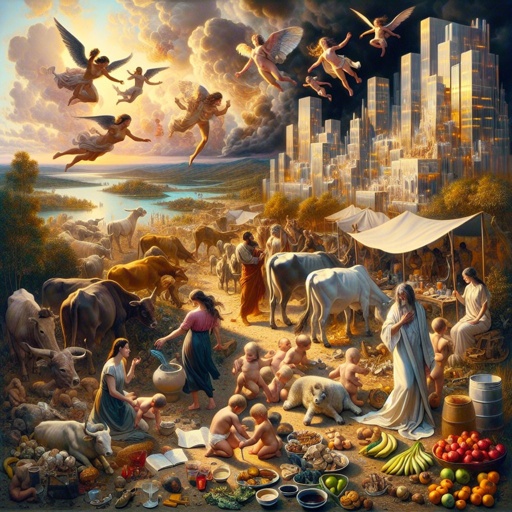
Deuteronomy 20:14 - "But the women, and the little ones, and the cattle, and all that is in the city, even all the spoil thereof, shalt thou take unto thyself; and thou shalt eat the spoil of thine enemies, which the LORD thy God hath given thee."

Deuteronomy 20:16

Deuteronomy 14:14 - "And every raven after his kind,"

Deuteronomy 20:16

Deuteronomy 20:16

Create a picture of Deuteronomy 11:20

Deuteronomy 22:20 - "But if this thing be true, and the tokens of virginity be not found for the damsel:"

Deuteronomy 14:17 - "And the pelican, and the gier eagle, and the cormorant,"

"And every raven after his kind," - Deuteronomy 14:14

Deuteronomy 14:16 - "The little owl, and the great owl, and the swan,"

Deuteronomy 14:3 - "¶ Thou shalt not eat any abominable thing."

Deuteronomy 14:11 - "¶ Of all clean birds ye shall eat."

Deuteronomy 14:13 - "And the glede, and the kite, and the vulture after his kind,"

Deuteronomy 5:20 - "Neither shalt thou bear false witness against thy neighbour."

Deuteronomy 14:18 - "And the stork, and the heron after her kind, and the lapwing, and the bat."

Deuteronomy 14:12 - "But these are they of which ye shall not eat: the eagle, and the ossifrage, and the ospray,"

Deuteronomy 20:12 - "And if it will make no peace with thee, but will make war against thee, then thou shalt besiege it:"

John 20:14

Exodus 20:14

Deuteronomy 14:15 - "And the owl, and the night hawk, and the cuckow, and the hawk after his kind,"

Deuteronomy 29:14 - "Neither with you only do I make this covenant and this oath;"

Genesis 20-14

Deuteronomy 20:10 - "¶ When thou comest nigh unto a city to fight against it, then proclaim peace unto it."

Deuteronomy 14:4 - "These are the beasts which ye shall eat: the ox, the sheep, and the goat,"

Deuteronomy 14:19 - "And every creeping thing that flieth is unclean unto you: they shall not be eaten."

Deuteronomy 25:14 - "Thou shalt not have in thine house divers measures, a great and a small."

Deuteronomy 11:20 - "And thou shalt write them upon the door posts of thine house, and upon thy gates:"

Deuteronomy 20:20 - "Only the trees which thou knowest that they be not trees for meat, thou shalt destroy and cut them down; and thou shalt build bulwarks against the city that maketh war with thee, until it be subdued."