The Nature of Clean and Unclean: Lessons from Deuteronomy 14:10
"And whatsoever hath not fins and scales ye may not eat; it is unclean unto you." - Deuteronomy 14:10
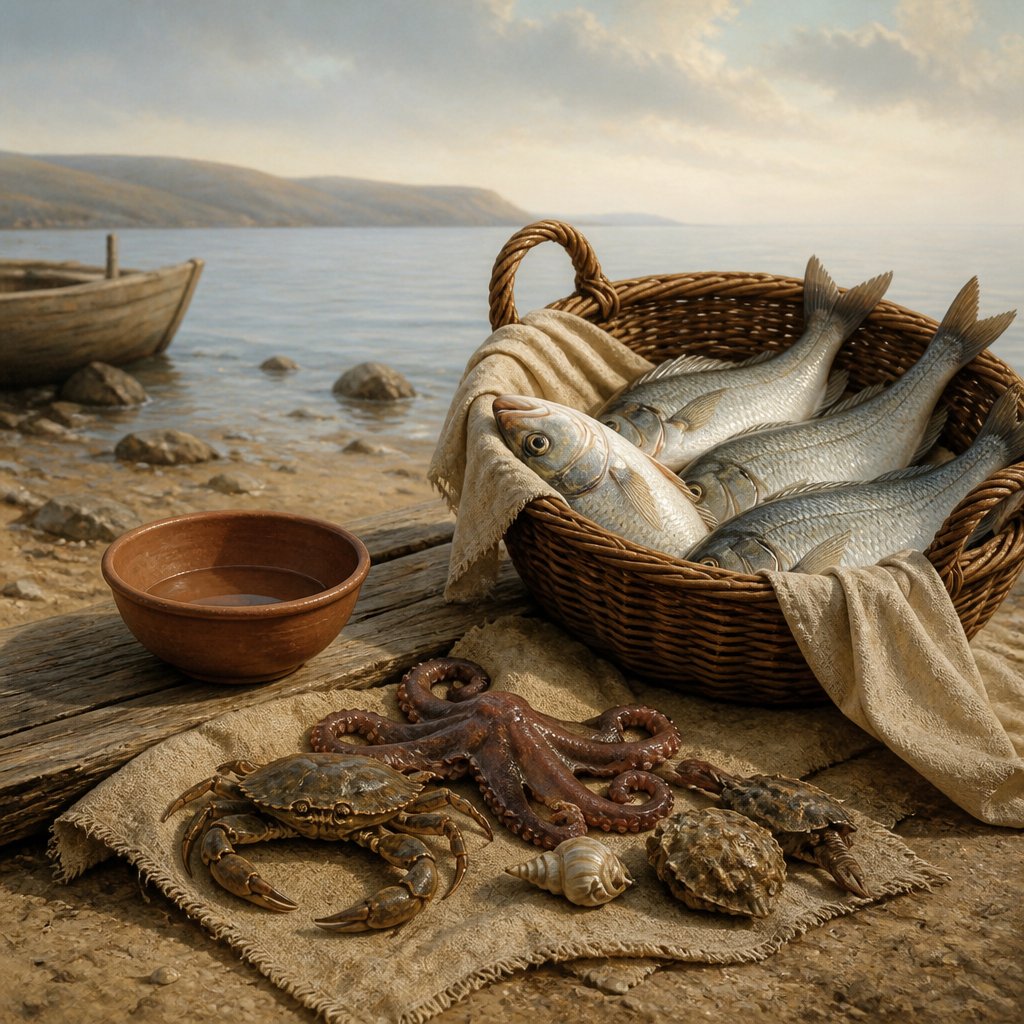
The book of Deuteronomy serves as a pivotal record of God’s laws and guidelines for His people, the Israelites, as they prepare to enter the Promised Land. Among the various directives given, Deuteronomy 14:10 states, "And whatsoever hath not fins and scales ye may not eat; it is unclean unto you." At first glance, this rule concerning dietary restrictions may seem outdated or irrelevant to us in today’s context. However, a deeper exploration reveals profound insights into the nature of holiness, obedience, and the character of God.
### Understanding Clean and Unclean
In the context of the Old Testament law, the distinction between clean and unclean foods was not merely a matter of physical health but rather a crucial element of spiritual obedience and identity. God wanted His people, the Israelites, to maintain purity as a representation of their relationship with Him. To consume food that was classified as unclean could symbolize a failure to honor God's commands and the covenant relationship He had established with them.
The specific mention of fins and scales highlights the broader principle of separation. Fish that possessed both fins and scales were considered clean, signifying a certain order and design in creation that God deemed suitable for consumption. Conversely, creatures of the sea that lacked these features were deemed unclean. This distinction invites us to consider the real meaning behind God's commands — that there is a world of difference between what is holy and what is profane.
### The Spiritual Implications
As with many of the laws presented in the Old Testament, the dietary restrictions can metaphorically extend to aspects of our lives today. Just as the Israelites were called to avoid unclean animals, we are called to discern between what is spiritually clean and unclean. We live in a world rife with temptations, distractions, and influences that may lead us away from God’s will. The principle of maintaining spiritual cleanliness is presented throughout Scripture, as we read in 1 Corinthians 6:19-20, reminding us that our bodies are the temples of the Holy Spirit.
Thus, the command in Deuteronomy 14:10 serves as an opportunity for self-examination. Are there areas in our lives that we allow to become unclean? What are the 'unclean' influences we consume daily through our media, conversations, and relationships? Just as fish must have both fins and scales to be deemed acceptable by God, we must ensure that our lives reflect His righteousness and holiness.
### Remaining in Covenant with God
Following these dietary laws was also a means for the Israelites to remain in covenant with God. Obedience to His directives fostered a deepening relationship with Him, emphasizing dependence and trust. For us, obedience is a theme that reverberates throughout the New Testament as well. Jesus emphasized the importance of aligning our hearts with God’s commands when He stated in John 14:15, "If ye love me, keep my commandments."
Obeying God’s commands, whether in terms of spiritual disciplines, moral choices, or behavioral patterns, brings about a transformative experience that aligns our character with His. It is about pursuing a life of holiness, a pursuit characterized not by mere adherence to rules but by a heart that yearns to please God and live according to His design.
### Conclusion
Deuteronomy 14:10 teaches us that the principles of clean and unclean extend beyond dietary choices; they encapsulate the essence of God’s desire for His people to live in a manner that reflects His holiness. As we reflect on this ancient directive, let us consider what it means to keep our spiritual lives "clean" in a world that often manifests unclean influences. We can embrace the richness of our relationship with God through His commands, submitting ourselves to His will, and pursuing lives that indeed honor Him. May we live as vessels of honor, embracing the clean life God desires for each of His children.
Want to reflect more on Deuteronomy 14:10?
Continue your spiritual journey with Bible Chat — an AI-powered tool for exploring God's Word through conversation. Ask questions, discover connections, and deepen your understanding.
Get Our Apps


Deuteronomy 14:10 Artwork

Deuteronomy 14:10 - "And whatsoever hath not fins and scales ye may not eat; it is unclean unto you."
"And whatsoever hath not fins and scales ye may not eat; it is unclean unto you." - Deuteronomy 14:10

Deuteronomy 10:14 - "Behold, the heaven and the heaven of heavens is the LORD'S thy God, the earth also, with all that therein is."

"Behold, the heaven and the heaven of heavens is the LORD'S thy God, the earth also, with all that therein is." - Deuteronomy 10:14

Deuteronomy 14:14 - "And every raven after his kind,"

Deuteronomy 14:17 - "And the pelican, and the gier eagle, and the cormorant,"

"And every raven after his kind," - Deuteronomy 14:14

Deuteronomy 14:16 - "The little owl, and the great owl, and the swan,"

Deuteronomy 26:4-10

Deuteronomy 26:4-10

Deuteronomy 14:3 - "¶ Thou shalt not eat any abominable thing."

Deuteronomy 14:11 - "¶ Of all clean birds ye shall eat."

Deuteronomy 14:20 - "But of all clean fowls ye may eat."

Deuteronomy 14:13 - "And the glede, and the kite, and the vulture after his kind,"

Deuteronomy 14:18 - "And the stork, and the heron after her kind, and the lapwing, and the bat."

Deuteronomy 14:12 - "But these are they of which ye shall not eat: the eagle, and the ossifrage, and the ospray,"

Deuteronomy 14:15 - "And the owl, and the night hawk, and the cuckow, and the hawk after his kind,"

Deuteronomy 29:14 - "Neither with you only do I make this covenant and this oath;"

Deuteronomy 22:10 - "¶ Thou shalt not plow with an ox and an ass together."

Deuteronomy 14:4 - "These are the beasts which ye shall eat: the ox, the sheep, and the goat,"

Deuteronomy 10:16 - "Circumcise therefore the foreskin of your heart, and be no more stiffnecked."

Deuteronomy 14:19 - "And every creeping thing that flieth is unclean unto you: they shall not be eaten."

Deuteronomy 25:14 - "Thou shalt not have in thine house divers measures, a great and a small."

"And the pelican, and the gier eagle, and the cormorant," - Deuteronomy 14:17

Deuteronomy 27:14 - "¶ And the Levites shall speak, and say unto all the men of Israel with a loud voice,"

Deuteronomy 14:5 - "The hart, and the roebuck, and the fallow deer, and the wild goat, and the pygarg, and the wild ox, and the chamois."

Deuteronomy 33:14 - "And for the precious fruits brought forth by the sun, and for the precious things put forth by the moon,"

Deuteronomy 10:19 - "Love ye therefore the stranger: for ye were strangers in the land of Egypt."

Deuteronomy 5:10 - "And shewing mercy unto thousands of them that love me and keep my commandments."

Deuteronomy 2:10 - "The Emims dwelt therein in times past, a people great, and many, and tall, as the Anakims;"