The Blessing of Timely Rain: Trusting God for Abundance
"That I will give you the rain of your land in his due season, the first rain and the latter rain, that thou mayest gather in thy corn, and thy wine, and thine oil." - Deuteronomy 11:14
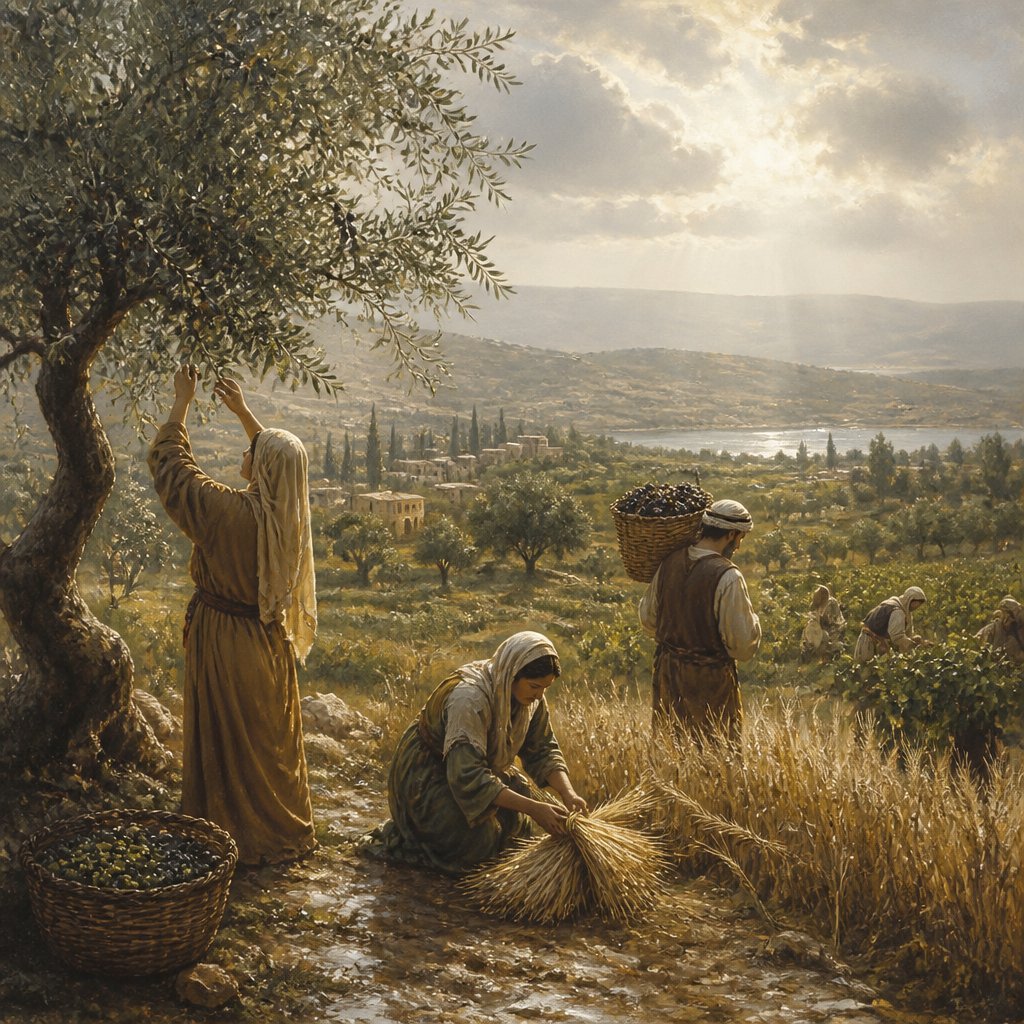
Deuteronomy 11:14 proclaims, "That I will give you the rain of your land in his due season, the first rain and the latter rain, that thou mayest gather in thy corn, and thy wine, and thine oil." In this verse, we find a vivid illustration of God’s provision and the cycles of life that He has established. As we delve deeper into this scripture, we can draw profound insights that resonate through time, emphasizing the reliance on God for our spiritual and physical sustenance.
First, let us reflect on the significance of the rain mentioned in this scripture. In ancient Israel, agriculture was the backbone of society, and the blessing of timely rain was crucial for a fruitful harvest. The first rain marks the beginning of the planting season, nurturing the seeds that have been sown. The latter rain is a final infusion of moisture that prepares the crops for harvest. Thus, the phrase "in his due season" emphasizes God's perfect timing in delivering what is needed when it is needed most. This teaches us that our heavenly Father, in His wisdom, knows when to provide for us; His timing is impeccable.
Moreover, this passage reminds believers of the importance of faithfulness and obedience to God’s commands. The verses preceding Deuteronomy 11:14 are filled with admonitions to love the Lord, keep His commandments, and teach them to the next generation. These exhortations underline that the blessings of rain—and by extension, all goodness—flow to those who live in accordance with God's statutes. There is a direct correlation between our obedience and the outpouring of God’s blessings. When we align our hearts and actions to His will, we position ourselves to receive His abundance.
As we think about the promises of gathered corn, wine, and oil, we recognize that these represent not just physical nourishment but the fruits of our spiritual life as well. In a metaphorical sense, corn can symbolize our physical needs—sustenance to support our daily lives. The wine, often associated with joy and celebration, speaks to the emotional and relational aspects of our lives, where God brings joy and connection through our relationships. The oil, used for anointing and healing, symbolizes the anointing of the Holy Spirit and the healing of our deeper wounds. Therefore, God’s promise encompasses holistic provision for our entire being—spirit, soul, and body.
There is a valuable lesson for us in how we receive God’s blessings. Just as a farmer prepares his land with care and diligence for the rain, we too must cultivate our hearts to be receptive to God’s goodness. Are we sowing seeds of faith, kindness, and generosity? Are we positioning ourselves in prayer and community with fellow believers? The rains may be plentiful, but our capacity to gather the harvest is often limited by our preparedness and expectation.
Additionally, we are reminded that while the rains come—both first and latter—there is a natural rhythm to life. There are seasons when the rain does not fall, when dry spells occur, and we may find ourselves waiting upon the Lord. It is during these times that our faith is tested. But as Romans 8:28 reminds us, "And we know that all things work together for good to them that love God, to them who are the called according to his purpose." Even in uncertainty, we must trust that God is working behind the scenes, preparing us for the blessings to come.
In conclusion, let us embrace the promise of Deuteronomy 11:14 with open hearts. May we seek to be obedient to God’s word, prepared for His blessings, and filled with faith during the dry seasons. As we do this, we can rest assured that our God will send the rain in due season, allowing us to gather in abundance. Let us rejoice in the knowledge that our Creator cares deeply about our needs and desires to bless us abundantly with His timely provision.
Want to reflect more on Deuteronomy 11:14?
Continue your spiritual journey with Bible Chat — an AI-powered tool for exploring God's Word through conversation. Ask questions, discover connections, and deepen your understanding.
Get Our Apps


Deuteronomy 11:14 Artwork
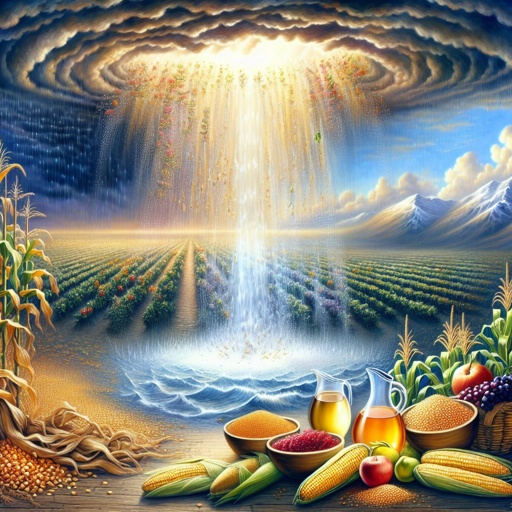
Deuteronomy 11:14 - "That I will give you the rain of your land in his due season, the first rain and the latter rain, that thou mayest gather in thy corn, and thy wine, and thine oil."
"That I will give you the rain of your land in his due season, the first rain and the latter rain, that thou mayest gather in thy corn, and thy wine, and thine oil." - Deuteronomy 11:14

Deuteronomy 14:11 - "¶ Of all clean birds ye shall eat."
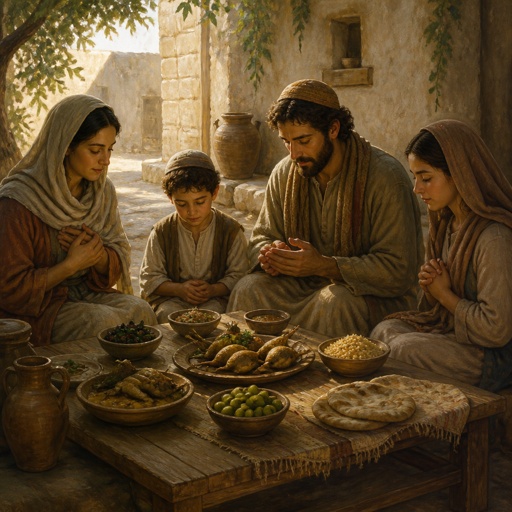
"¶ Of all clean birds ye shall eat." - Deuteronomy 14:11

Deuteronomy 14:14 - "And every raven after his kind,"

Deuteronomy 11:23

Deuteronomy 14:17 - "And the pelican, and the gier eagle, and the cormorant,"

"And every raven after his kind," - Deuteronomy 14:14

Deuteronomy 14:16 - "The little owl, and the great owl, and the swan,"

Deuteronomy 11:11 - "But the land, whither ye go to possess it, is a land of hills and valleys, and drinketh water of the rain of heaven:"

Deuteronomy 14:3 - "¶ Thou shalt not eat any abominable thing."

Deuteronomy 14:20 - "But of all clean fowls ye may eat."

Deuteronomy 14:13 - "And the glede, and the kite, and the vulture after his kind,"

Create a picture of Deuteronomy 11:20

Deuteronomy 18:11 - "Or a charmer, or a consulter with familiar spirits, or a wizard, or a necromancer."

Deuteronomy 27:11 - "¶ And Moses charged the people the same day, saying,"

Deuteronomy 14:18 - "And the stork, and the heron after her kind, and the lapwing, and the bat."

Deuteronomy 14:12 - "But these are they of which ye shall not eat: the eagle, and the ossifrage, and the ospray,"

Deuteronomy 14:15 - "And the owl, and the night hawk, and the cuckow, and the hawk after his kind,"

Deuteronomy 29:14 - "Neither with you only do I make this covenant and this oath;"

Nehemiah 11:11-14

Deuteronomy 14:4 - "These are the beasts which ye shall eat: the ox, the sheep, and the goat,"

Deuteronomy 11:26 - "¶ Behold, I set before you this day a blessing and a curse;"

Deuteronomy 14:19 - "And every creeping thing that flieth is unclean unto you: they shall not be eaten."

Deuteronomy 25:14 - "Thou shalt not have in thine house divers measures, a great and a small."

Song of Solomon 1:4

"And the pelican, and the gier eagle, and the cormorant," - Deuteronomy 14:17

Deuteronomy 27:14 - "¶ And the Levites shall speak, and say unto all the men of Israel with a loud voice,"

Deuteronomy 14:10 - "And whatsoever hath not fins and scales ye may not eat; it is unclean unto you."

Deuteronomy 14:5 - "The hart, and the roebuck, and the fallow deer, and the wild goat, and the pygarg, and the wild ox, and the chamois."