The Peril of Pride: Lessons from Babylon
"The king spake, and said, Is not this great Babylon, that I have built for the house of the kingdom by the might of my power, and for the honour of my majesty?" - Daniel 4:30
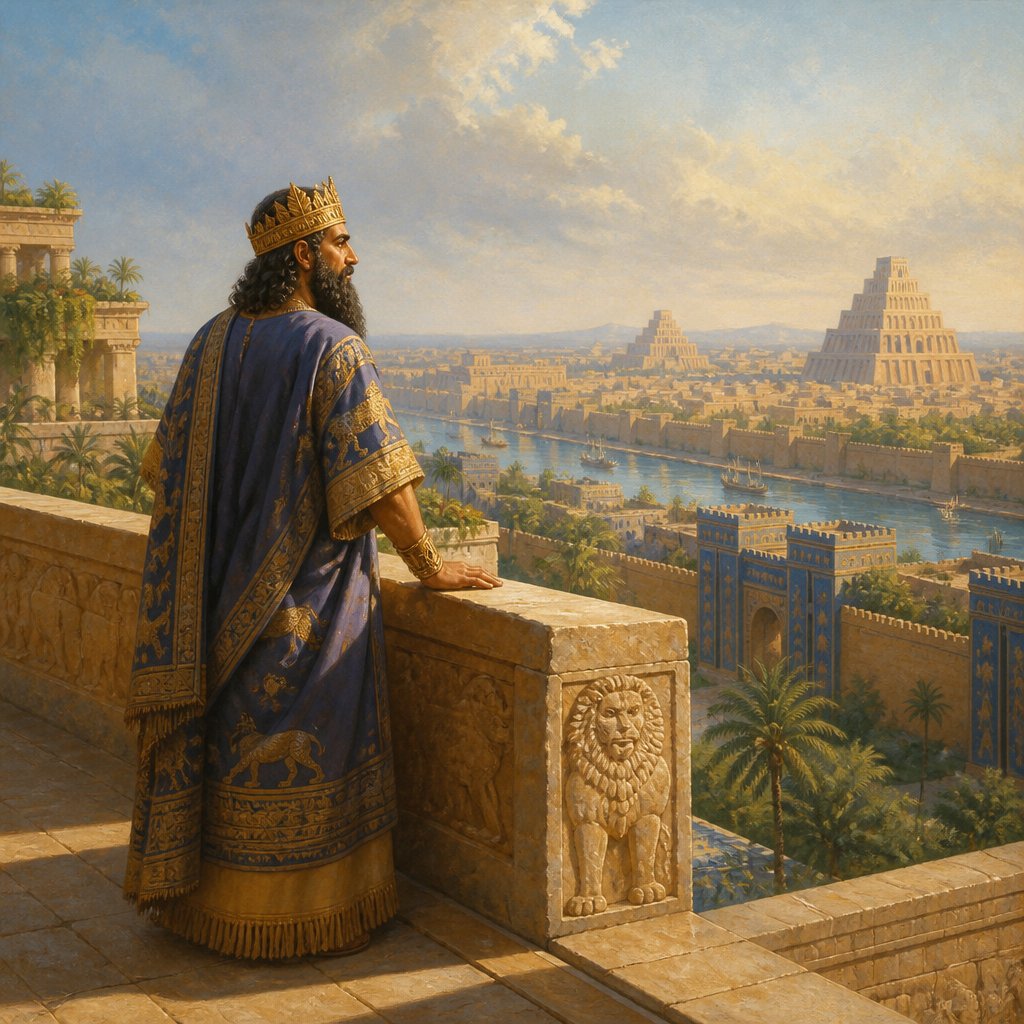
In the book of Daniel, we encounter a striking proclamation from King Nebuchadnezzar: "The king spake, and said, Is not this great Babylon, that I have built for the house of the kingdom by the might of my power, and for the honour of my majesty?" (Daniel 4:30, KJV). This verse encapsulates the essence of pride and the destructive nature it can have, especially when one loses sight of the divine order and sovereignty of God.
To fully grasp the implications of Nebuchadnezzar's statement, we must consider the historical and cultural context. Babylon was not just a city; it was an empire, a symbol of human achievement, wealth, and power. Nebuchadnezzar, in his moment of self-reflection, viewed his accomplishments as evidence of his greatness. The deep pride that emerged from this sentiment is a common pitfall for many leaders and individuals throughout history.
Pride can often blind us to the truth. Nebuchadnezzar's assertion was deeply laced with arrogance. As he surveyed the grandeur of Babylon—the towering walls, the majestic temples, and the Hanging Gardens, considered one of the wonders of the ancient world—the king could only see his own efforts and claims. It is important to realize how easy it is to attribute our successes solely to our own strength and skill. In doing so, we inadvertently usurp God’s rightful place in our narratives. Throughout scriptures, God consistently reminds us that it is He who raises up leaders and brings them down (Psalm 75:7).
Furthermore, this incident highlights the danger of attributing success to ourselves instead of giving thanks to God, who is the true source of all enduring success. The king fails to acknowledge the divine hand that set him on the throne—and this is a lesson for us all. When we focus only on our achievements, we create a gap in our relationship with God. We must remind ourselves that every good gift comes from above (James 1:17, KJV); our abilities, opportunities, and even our very breath is by His grace.
Scripture frequently warns against pride. Proverbs 16:18 (KJV) states, "Pride goeth before destruction, and a haughty spirit before a fall." God desires for us to be humble (Micah 6:8). Humility opens the door for wisdom, and it enables us to see ourselves and our circumstances in light of God’s overarching story.
Nebuchadnezzar's pride led to severe consequences. As we continue in the narrative, we find that God, in His mercy and justice, humbled the king, stripping him of his power and sanity for a period of time until he recognized that it was God who reigns supreme over the kingdoms of men (Daniel 4:32, KJV). This stark reality check serves as a reminder that no matter how high we rise, we are all ultimately accountable to the Most High.
In our lives, we must continually evaluate our hearts and motivations. Are we acknowledging God's role in our lives? Are we giving Him the glory He deserves? Humility allows us to understand that our achievements are not solely our own but are interwoven with God’s purpose in our lives. It transforms our perspective from one of self-centeredness to one that values the contributions of others and acknowledges the Lord’s hand in all situations.
As we reflect on the pride of Nebuchadnezzar, let’s commit to cultivating a heart of thanksgiving and humility. Let us ask God to reveal any areas in our lives where we might be harboring pride. May we always remember to exalt Him in all things, recognizing that our worth and dignity come from Him alone. In doing so, we align ourselves with His will, fostering a life that is not only fulfilling but also honors the One who is ultimately in control.
Want to reflect more on Daniel 4:30?
Continue your spiritual journey with Bible Chat — an AI-powered tool for exploring God's Word through conversation. Ask questions, discover connections, and deepen your understanding.
Get Our Apps


Daniel 4:30 Artwork

Daniel 4:30 - "The king spake, and said, Is not this great Babylon, that I have built for the house of the kingdom by the might of my power, and for the honour of my majesty?"
"The king spake, and said, Is not this great Babylon, that I have built for the house of the kingdom by the might of my power, and for the honour of my majesty?" - Daniel 4:30

Daniel 2:30-23

Daniel 5:30 - "¶ In that night was Belshazzar the king of the Chaldeans slain."

Daniel 3:30 - "Then the king promoted Shadrach, Meshach, and Abed-nego, in the province of Babylon."

"¶ In that night was Belshazzar the king of the Chaldeans slain." - Daniel 5:30

Daniel 4:15

Daniel 5:4

Daniel 7:4

Daniel 6:3-4 - "Daniel 6:3-4: Then this Daniel was preferred above the presidents and princes, because an excellent spirit was in him; and the king thought to set him over the whole realm. So the presidents and princes sought to find occasion against Daniel concerning the kingdom; but they could find none occasion nor fault; forasmuch as he was faithful, neither was there any error or fault found in him."

Daniel 4:4 - "¶ I Nebuchadnezzar was at rest in mine house, and flourishing in my palace:"

Daniel 4:13-14

Daniel 4:10-14

Daniel 4:13-14

Daniel 4:1-3

Daniel 12:4 - "But thou, O Daniel, shut up the words, and seal the book, even to the time of the end: many shall run to and fro, and knowledge shall be increased."

Daniel 4:28 - "¶ All this came upon the king Nebuchadnezzar."

"Then the king promoted Shadrach, Meshach, and Abed-nego, in the province of Babylon." - Daniel 3:30

Acts 4:30

Acts 4:30

Acts 4:30

Acts 4:30

Daniel 4:8 - "¶ But at the last Daniel came in before me, whose name was Belteshazzar, according to the name of my god, and in whom is the spirit of the holy gods: and before him I told the dream, saying,"

Daniel 4:29 - "At the end of twelve months he walked in the palace of the kingdom of Babylon."

Daniel 6:4 - "¶ Then the presidents and princes sought to find occasion against Daniel concerning the kingdom; but they could find none occasion nor fault; forasmuch as he was faithful, neither was there any error or fault found in him."

Daniel 3:4 - "Then an herald cried aloud, To you it is commanded, O people, nations, and languages,"

Daniel 4:10-12 – Nebuchadnezzar’s dream of a tree.

Deu:30:4

Daniel 5:4 - "They drank wine, and praised the gods of gold, and of silver, of brass, of iron, of wood, and of stone."
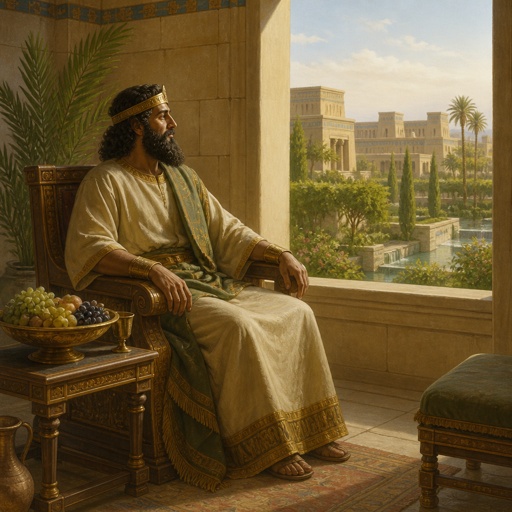
"¶ I Nebuchadnezzar was at rest in mine house, and flourishing in my palace:" - Daniel 4:4