Reconciled: From Alienation to Acceptance
"And you, that were sometime alienated and enemies in your mind by wicked works, yet now hath he reconciled" - Colossians 1:21

Colossians 1:21 states, "And you, that were sometime alienated and enemies in your mind by wicked works, yet now hath he reconciled." This powerful verse from the Apostle Paul serves as a profound reminder of our journey from estrangement to restoration in the eyes of God. In this devotional, we will explore the depths of alienation and the beauty of reconciliation that comes through Christ.
To be alienated—this term paints a picture of separation, a barrier that cuts one off from connection and belonging. Paul addresses the Colossians, a group of believers who were once distant from the grace of God, trapped in a pattern of sinful behavior that not only distanced them from their Creator but also placed them in a posture of enmity against Him. The "wicked works" he mentions are not merely actions, but the very mindset that leads one to live contrary to God's will. Sin, in its essence, creates a rift between humanity and divinity.
Reflecting on our own lives, it is often easy to identify times when we felt alienated—whether from God, others, or even our true selves. Perhaps it was a phase of life characterized by poor choices, where our minds were consumed by thoughts that isolated us more than we realized. We may have considered ourselves enemies of the gospel, rejecting the peace offered through Christ as we clung to our pride, our desires, or our past hurts. But the beauty of the gospel shines through when we recognize that despite our rebellion, God did not abandon us.
The second part of the verse, "yet now hath he reconciled," is the turning point of our story. The word "reconciled" signifies restoration, mending what was broken. In the original Greek, it conveys the idea of change, of bringing together parties that were once separated. Here lies the heart of the Christian message: that through Jesus Christ, we are offered a path back to God. This reconciliation is not based on our merits; it is a free gift of grace.
To understand reconciliation more deeply, we must look to the cross, where Jesus bore our sins and removed the barrier that kept us distant from God. His sacrifice transforms our status from alienated adversaries to beloved children. Paul, in his letter, emphasizes that this reconciliation is not just about external behavior modification; it is a change of mind and heart—shifting from rebellion towards submission to God’s loving will. When we accept His grace, the enmity in our hearts is replaced with peace, rooted in the knowledge that we are accepted by God despite our past.
In practical terms, how can we live in the light of this reconciliation? First, we must embrace our identity as reconciled individuals. How often do we dwell on our past mistakes and let guilt or shame dictate our present lives? We must remember that our identity is now defined by Christ's righteousness. As Romans 8:1 boldly proclaims, "There is therefore now no condemnation to them which are in Christ Jesus." This assurance empowers us to step into our new lives with confidence and hope.
Additionally, as individuals who have experienced divine reconciliation, we are called to extend that same forgiveness and love to others. This could mean reaching out to someone we have wronged or seeking reconciliation in fractured relationships. The cycle of grace is so beautiful that when we experience God’s acceptance, we naturally desire to share that with those around us, demonstrating the power of restoration.
Lastly, let us not forget the ongoing work of reconciliation in our daily lives. While our standing before God is secure, the process of growing closer to Him requires daily surrender, prayer, and the renewal of our minds. We can cultivate a heart of gratitude for our reconciliation, allowing it to permeate every aspect of our being.
In conclusion, Colossians 1:21 is more than a verse; it is an invitation to celebrate the transformative power of God’s grace. From being alienated and enemies in our minds to being reconciled, we are called to live in the fullness of His love and share that love with a world that desperately needs it. May we rejoice in our reconciliation and strive to reflect His love in all we do.
Want to reflect more on Colossians 1:21?
Continue your spiritual journey with Bible Chat — an AI-powered tool for exploring God's Word through conversation. Ask questions, discover connections, and deepen your understanding.
Get Our Apps


Colossians 1:21 Artwork
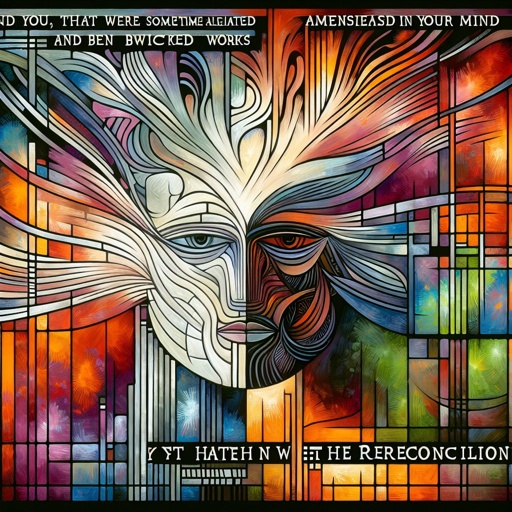
Colossians 1:21 - "And you, that were sometime alienated and enemies in your mind by wicked works, yet now hath he reconciled"

Colossians 1:21-22 - "And you, who once were alienated and enemies in your mind by wicked works, yet now He has reconciled in the body of His flesh through death, to present you holy, and blameless, and above reproach in His sight."
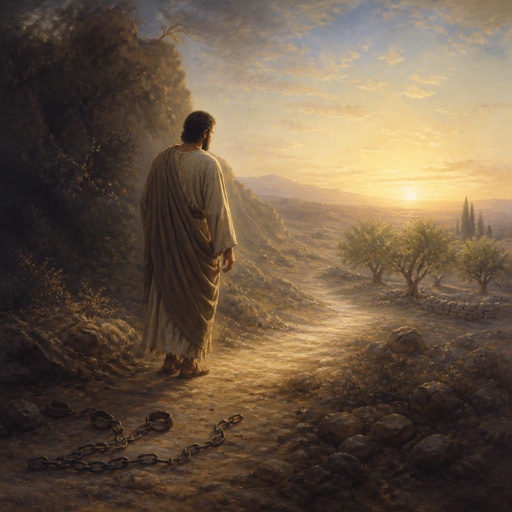
"And you, that were sometime alienated and enemies in your mind by wicked works, yet now hath he reconciled" - Colossians 1:21
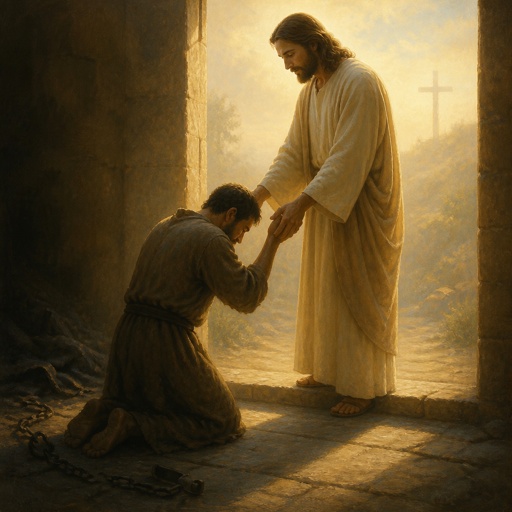
"And you, who once were alienated and enemies in your mind by wicked works, yet now He has reconciled in the body of His flesh through death, to present you holy, and blameless, and above reproach in His sight." - Colossians 1:21-22

Colossians 2:21 - "(Touch not; taste not; handle not;"

Colossians 3:21 - "Fathers, provoke not your children to anger, lest they be discouraged."
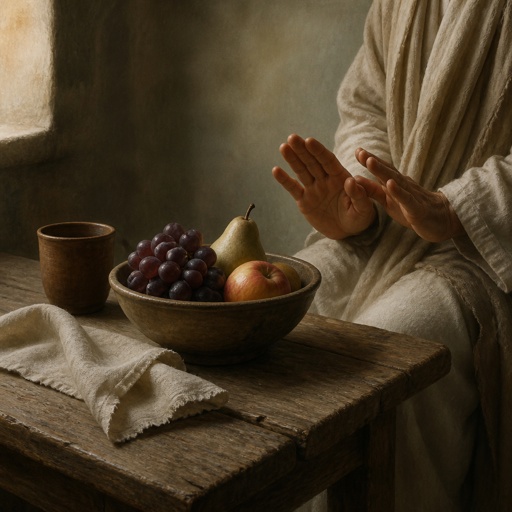
"(Touch not; taste not; handle not;" - Colossians 2:21

Colossians 1:18

Colossians 1:17

Colossians 1:17

Colossians 1:18

Colossians 3:20-21 - "Children, obey your parents in everything, for this pleases the Lord. Fathers, do not embitter your children, or they will become discouraged."

Colossians 1:15-20

Colossians 1:15-20

COLOSSIANS 1:19

Colossians 3:13

Colossians 2:19

Colossians 2:19

Colossians 4:6
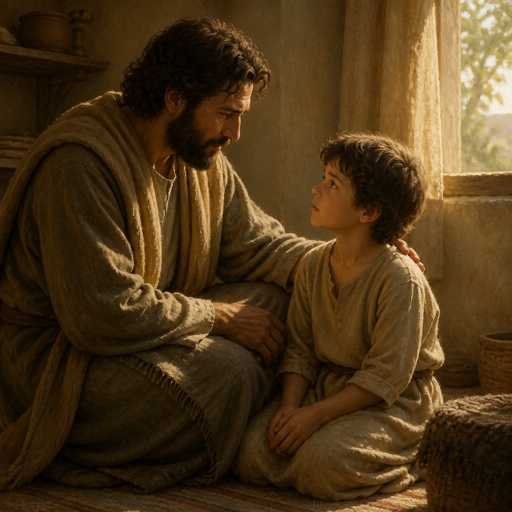
"Fathers, provoke not your children to anger, lest they be discouraged." - Colossians 3:21

Colossians 3:5-15

Colossians 3:12-15

Colossians 1:1 - "Paul, an apostle of Jesus Christ by the will of God, and Timotheus our brother,"

Colossians 1:19 - "For it pleased the Father that in him should all fulness dwell;"

Colossians 1:15 - "Who is the image of the invisible God, the firstborn of every creature:"

Colossians 1:8 - "Who also declared unto us your love in the Spirit."

Colossians 1:17 - "And he is before all things, and by him all things consist."

Colossians 1:14 - "In whom we have redemption through his blood, even the forgiveness of sins:"

Colossians 1:11 - "Strengthened with all might, according to his glorious power, unto all patience and longsuffering with joyfulness;"

Colossians 1:7 - "As ye also learned of Epaphras our dear fellowservant, who is for you a faithful minister of Christ;"