A Plea for Mercy in Our Smallness
"And it came to pass, that when they had made an end of eating the grass of the land, then I said, O Lord GOD, forgive, I beseech thee: by whom shall Jacob arise? for he is small." - Amos 7:2
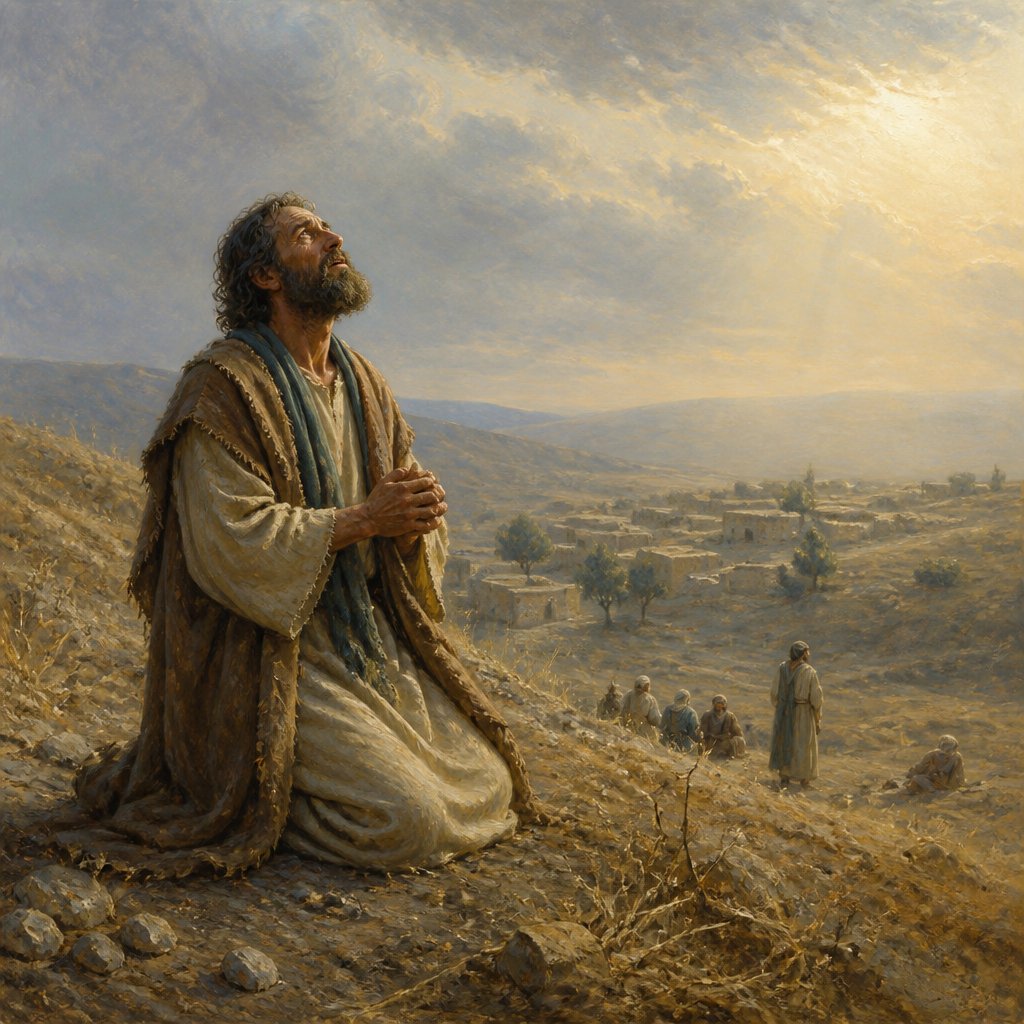
The book of Amos takes us deep into the heart of God’s concern for His people, offering profound insights into His nature and His desire for His creation. In Amos 7:2, we find a poignant moment where Amos, the shepherd turned prophet, stands before God, interceding for a nation on the brink of destruction. The verse states, "And it came to pass, that when they had made an end of eating the grass of the land, then I said, O Lord GOD, forgive, I beseech thee: by whom shall Jacob arise? for he is small."
At a first glance, this verse may seem confined to the historical context of Israel's impending judgment, but upon deeper reflection, it offers rich spiritual lessons that resonate with our modern lives. The imagery of grass being consumed evokes a stark reminder of vulnerability. The Israelite's land, once lush and fertile, faces ruin, much like the trials we encounter that strip us of strength and resilience. In this moment of desperation, Amos recognizes the fragility of his people and their dire need for divine mercy.
"O Lord GOD, forgive, I beseech thee"—these words encapsulate a heartfelt cry for forgiveness, acknowledging the profound awareness of guilt that permeates our human condition. It echoes the truth that we are all a work in progress, continuously in need of God’s grace. Perhaps many of us find ourselves in similar positions—feeling small, outmanned by trials, doubts, and uncertainties that leave us gasping for relief. The plea for forgiveness is necessary in our brokenness. Our acknowledgment of wrongdoing opens the door for healing and restoration.
Furthermore, Amos’ question, "by whom shall Jacob arise? for he is small," highlights an issue that affects us greatly in life: the fear of inadequacy. This touching plea lays bare a universal truth about the human experience. Jacob, referring to the descendants of Israel, is recognized as small—not in physical size but in the sense of vulnerability and powerlessness amid challenges. How often do we echo this sentiment in our own lives? When the weight of expectations, disappointments, and even failures press down upon us, it can feel as though we are dwarfed by our circumstances and incapable of rising again.
God’s response to Amos is implicitly woven into the fabric of our journey as believers. When we understand our limitations and embrace our smallness, we position ourselves perfectly for God to act on our behalf. Paul harnessed this truth in 2 Corinthians 12:9 when he recorded God's profound statement: "My grace is sufficient for thee: for my strength is made perfect in weakness." Just as Amos interceded for Israel, we learn to plead for mercy not from a place of defeat but from a heart alive with hope.
This communal act of appeal reminds us that no matter how “small” we feel, we are not alone. The mechanism of prayer unites us—a community of believers—allowing us to stand in the gap not just for ourselves but for those around us who may be feeling small, lost, or defeated. Intercession becomes a powerful tool, a means of lifting each other into the arms of grace and mercy.
In moments of fear or discouragement, we should remember that God sees us not merely as Jacob, the small one, but as Jacob’s offspring, called to rise up and fulfill His purpose. Though our circumstances may appear insurmountable, spiritual ascent is promised to those who seek the Lord. Let us not shy away from our smallness, for it is in that place of recognition that we find the fields of grace augmented by the expansiveness of God's mercy. As we journey through life, let our prayers reverberate with the fervor of Amos—seeking forgiveness, pleading for mercy—and watching, in awe, as God works magnificently through our seemingly small lives.
Want to reflect more on Amos 7:2?
Continue your spiritual journey with Bible Chat — an AI-powered tool for exploring God's Word through conversation. Ask questions, discover connections, and deepen your understanding.
Get Our Apps


Amos 7:2 Artwork

Amos 7:2 - "And it came to pass, that when they had made an end of eating the grass of the land, then I said, O Lord GOD, forgive, I beseech thee: by whom shall Jacob arise? for he is small."
"And it came to pass, that when they had made an end of eating the grass of the land, then I said, O Lord GOD, forgive, I beseech thee: by whom shall Jacob arise? for he is small." - Amos 7:2

Amos 7:14 - "¶ Then answered Amos, and said to Amaziah, I was no prophet, neither was I a prophet's son; but I was an herdman, and a gatherer of sycomore fruit:"

Amos 7:11 - "For thus Amos saith, Jeroboam shall die by the sword, and Israel shall surely be led away captive out of their own land."

Amos 7:12 - "Also Amaziah said unto Amos, O thou seer, go, flee thee away into the land of Judah, and there eat bread, and prophesy there:"

Amos 2:7 - "That pant after the dust of the earth on the head of the poor, and turn aside the way of the meek: and a man and his father will go in unto the same maid, to profane my holy name:"

Amos 7:3 - "The LORD repented for this: It shall not be, saith the LORD."

Amos 7:6 - "The LORD repented for this: This also shall not be, saith the Lord GOD."

Amos 7:10 - "¶ Then Amaziah the priest of Beth-el sent to Jeroboam king of Israel, saying, Amos hath conspired against thee in the midst of the house of Israel: the land is not able to bear all his words."

Amos 7:7 - "¶ Thus he shewed me: and, behold, the Lord stood upon a wall made by a plumbline, with a plumbline in his hand."

Amos 5:7 - "Ye who turn judgment to wormwood, and leave off righteousness in the earth,"

Amos 7:8 - "And the LORD said unto me, Amos, what seest thou? And I said, A plumbline. Then said the Lord, Behold, I will set a plumbline in the midst of my people Israel: I will not again pass by them any more:"

Amos 7:13 - "But prophesy not again any more at Beth-el: for it is the king's chapel, and it is the king's court."

Amos 1:7 - "But I will send a fire on the wall of Gaza, which shall devour the palaces thereof:"

Amos 8:7 - "The LORD hath sworn by the excellency of Jacob, Surely I will never forget any of their works."
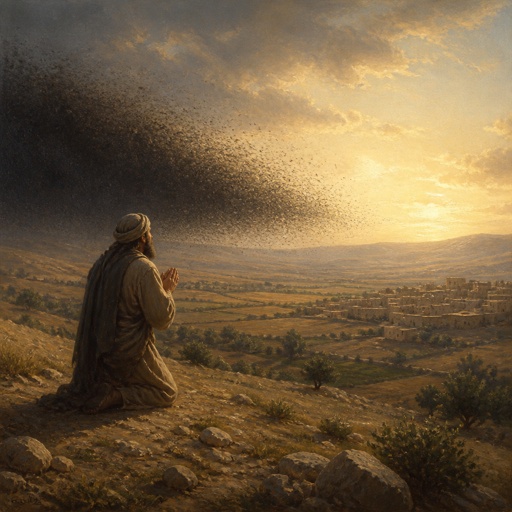
"The LORD repented for this: It shall not be, saith the LORD." - Amos 7:3

Amos 3:7 - "Surely the Lord GOD will do nothing, but he revealeth his secret unto his servants the prophets."

"¶ Then answered Amos, and said to Amaziah, I was no prophet, neither was I a prophet's son; but I was an herdman, and a gatherer of sycomore fruit:" - Amos 7:14

Amos 6:7 - "¶ Therefore now shall they go captive with the first that go captive, and the banquet of them that stretched themselves shall be removed."

"For thus Amos saith, Jeroboam shall die by the sword, and Israel shall surely be led away captive out of their own land." - Amos 7:11

Amos 7:5 - "Then said I, O Lord GOD, cease, I beseech thee: by whom shall Jacob arise? for he is small."

Amos 8:2 - "And he said, Amos, what seest thou? And I said, A basket of summer fruit. Then said the LORD unto me, The end is come upon my people of Israel; I will not again pass by them any more."

Amos 7:15 - "And the LORD took me as I followed the flock, and the LORD said unto me, Go, prophesy unto my people Israel."
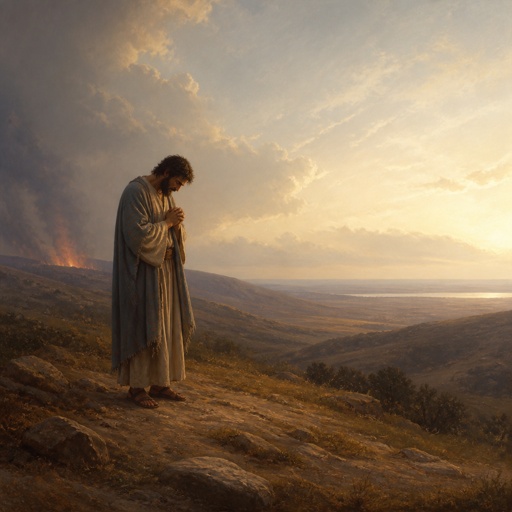
"The LORD repented for this: This also shall not be, saith the Lord GOD." - Amos 7:6

Amos 7:9 - "And the high places of Isaac shall be desolate, and the sanctuaries of Israel shall be laid waste; and I will rise against the house of Jeroboam with the sword."

"Also Amaziah said unto Amos, O thou seer, go, flee thee away into the land of Judah, and there eat bread, and prophesy there:" - Amos 7:12

Amos 2:12 - "But ye gave the Nazarites wine to drink; and commanded the prophets, saying, Prophesy not."

Amos 2:5 - "But I will send a fire upon Judah, and it shall devour the palaces of Jerusalem."

Amos 7:16 - "¶ Now therefore hear thou the word of the LORD: Thou sayest, Prophesy not against Israel, and drop not thy word against the house of Isaac."

Amos 2:13 - "Behold, I am pressed under you, as a cart is pressed that is full of sheaves."