Under the Weight of Injustice: A Reflection on Amos 2:13
"Behold, I am pressed under you, as a cart is pressed that is full of sheaves." - Amos 2:13
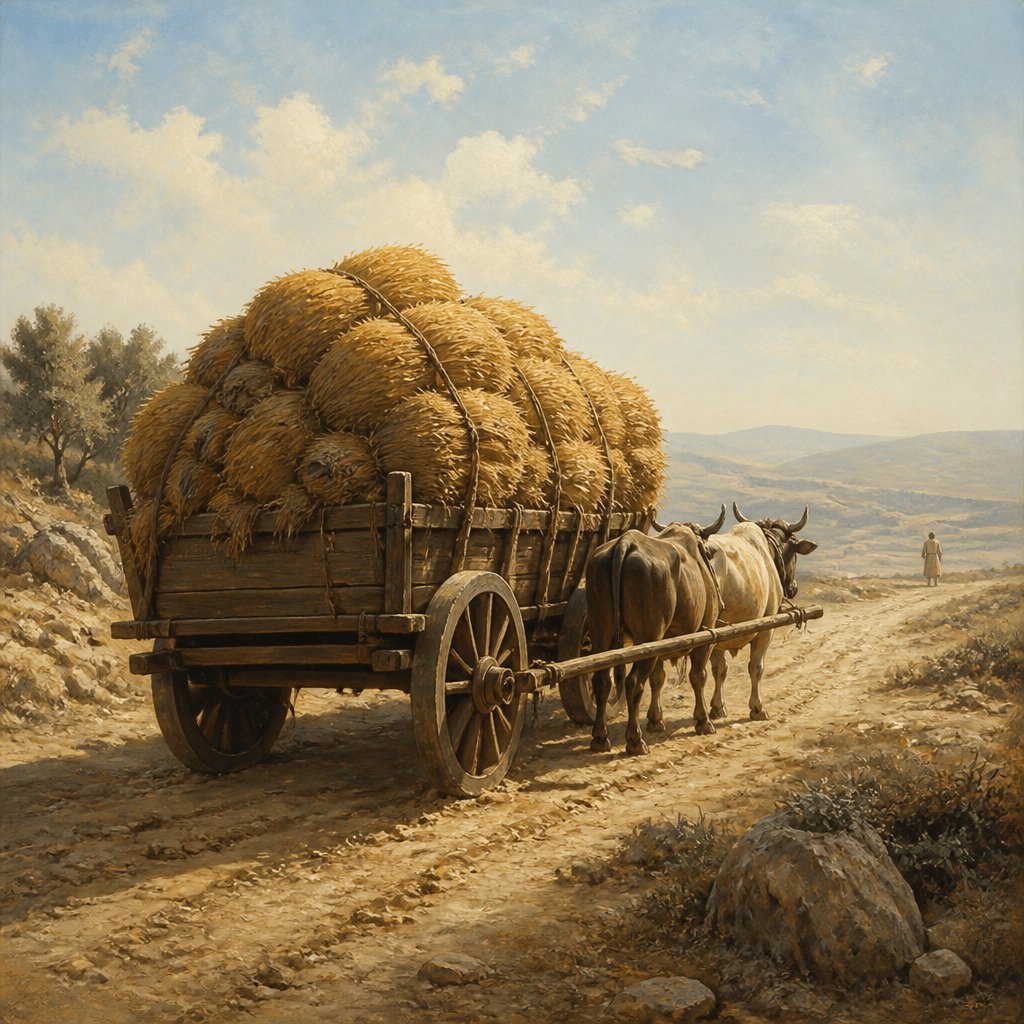
In the rich tapestry of the Old Testament, the Book of Amos stands as a prophetic voice crying out against the injustices of Israel during a time of relative prosperity. Located amidst the writings of the Minor Prophets, Amos’s words need urgent attention in our modern context, especially when we examine his vivid imagery in Amos 2:13: "Behold, I am pressed under you, as a cart is pressed that is full of sheaves."
This particular verse carries weighty implications, both literal and metaphorical. To grasp the fullness of what Amos conveys, we must understand the agricultural context in which he lived. A cart filled to the brim with sheaves—bundles of harvested grain—represents abundance yet also signifies immense pressure and burdensome weight. In a society reliant on agriculture, the cart serves as a crucial tool, but when it is overloaded, the harmony between work and rest is thrown out of balance. The stylized image of a cart struggling to bear its load mirrors the state of the people in Israel, who, due to the oppressive leadership and systemic injustices, are being crushed under the weight of sin and moral decay.
The phrase, "I am pressed under you," emanates a poignant sense of despair. It introduces us to God’s perspective on the injustices perpetuated by the very ones who were supposed to lead with justice—kings, priests, and the affluent elite. Rather than lifting the burdens of the weak, they add to them, creating a socio-economic environment riddled with exploitation and disregard for human dignity. In Amos's time, God’s chosen people had strayed from their covenant responsibilities, mistaking prosperity for divine favor. This verse becomes an urgent reminder that God sees the suffering of His people; He empathizes with their plight.
In utilizing the imagery of the cart, Amos invites us to consider whether we ourselves are guilty of being agents of pressure in our communities. Are we, perhaps, contributing to burdensome systems through our silence, transactional relationships, or complicity? Sometimes, we can find ourselves in privileged positions where we unintentionally press down on those who are already struggling.
Further, Amos calls us to challenge societal norms that promote injustice. Instead of merely observing the cart in distress, God, through Amos, urges action. This prophetic message demands that we consider our responsibility to those who bear the weight of systemic inequity. Jesus teaches us in the New Testament about compassion, urging us to love our neighbors as ourselves and to bear one another's burdens. In light of Amos's call, reflecting on our communal responsibilities becomes crucial. Are we seeking justice in our spheres of influence? Are we advocating for those whose voices are marginalized?
As we meditate on this scripture, we may also consider the burden that Christ bore for humanity—how He came to lift the oppressive weight of sin from our souls, embodying justice and mercy. Just as the cart is a tool meant for transporting grain, we are created to carry forth God's love and justice in the world. May we be inspired to lighten the load of others and to advocate for a more just society
In conclusion, Amos 2:13 is not just a historical commentary; it is a clarion call for us today. It invites us to assess our own lives, our communities, and the structures that govern our social fabric. Let us reflect on how we might embody justice and mercy, ensuring that we are not, as the metaphor suggests, those who crush others under oppressive weights. Instead, may we walk alongside one another, helping to ease burdens, just as Christ walked among us, transforming our hearts and prompting us to act justly, love mercy, and walk humbly with our God (Micah 6:8).
Want to reflect more on Amos 2:13?
Continue your spiritual journey with Bible Chat — an AI-powered tool for exploring God's Word through conversation. Ask questions, discover connections, and deepen your understanding.
Get Our Apps


Amos 2:13 Artwork

Amos 2:13 - "Behold, I am pressed under you, as a cart is pressed that is full of sheaves."
"Behold, I am pressed under you, as a cart is pressed that is full of sheaves." - Amos 2:13

Amos 5:13 - "Therefore the prudent shall keep silence in that time; for it is an evil time."

Amos 8:13 - "In that day shall the fair virgins and young men faint for thirst."

Amos 7:13 - "But prophesy not again any more at Beth-el: for it is the king's chapel, and it is the king's court."

Amos 3:13 - "Hear ye, and testify in the house of Jacob, saith the Lord GOD, the God of hosts,"

Amos 4:13 – "He who forms the mountains, who creates the wind, and who reveals his thoughts to mankind."

Amos 6:13 - "Ye which rejoice in a thing of nought, which say, Have we not taken to us horns by our own strength?"

Amos 9:13 – "The days are coming,' declares the Lord, 'when the reaper will be overtaken by the plowman."

Amos 8:2 - "And he said, Amos, what seest thou? And I said, A basket of summer fruit. Then said the LORD unto me, The end is come upon my people of Israel; I will not again pass by them any more."
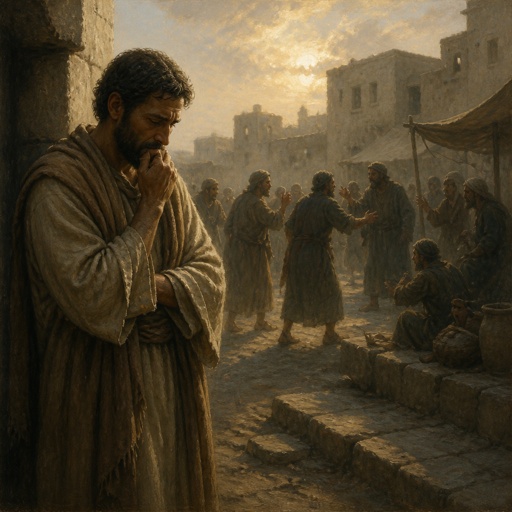
"Therefore the prudent shall keep silence in that time; for it is an evil time." - Amos 5:13
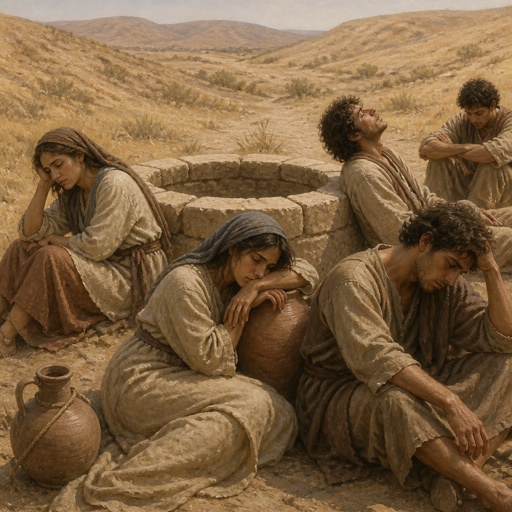
"In that day shall the fair virgins and young men faint for thirst." - Amos 8:13

Amos 2:12 - "But ye gave the Nazarites wine to drink; and commanded the prophets, saying, Prophesy not."

Amos 2:5 - "But I will send a fire upon Judah, and it shall devour the palaces of Jerusalem."

Amos 2:2 - "But I will send a fire upon Moab, and it shall devour the palaces of Kerioth: and Moab shall die with tumult, with shouting, and with the sound of the trumpet:"

Amos 2:16 - "And he that is courageous among the mighty shall flee away naked in that day, saith the LORD."
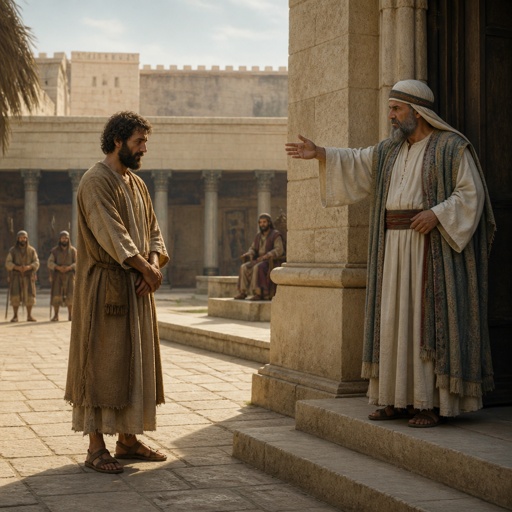
"But prophesy not again any more at Beth-el: for it is the king's chapel, and it is the king's court." - Amos 7:13
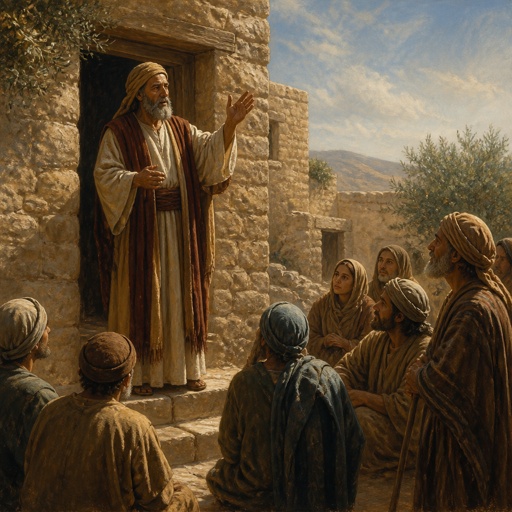
"Hear ye, and testify in the house of Jacob, saith the Lord GOD, the God of hosts," - Amos 3:13

Amos 9:13 - "Behold, the days come, saith the LORD, that the plowman shall overtake the reaper, and the treader of grapes him that soweth seed; and the mountains shall drop sweet wine, and all the hills shall melt."

Amos 1:13 - "¶ Thus saith the LORD; For three transgressions of the children of Ammon, and for four, I will not turn away the punishment thereof; because they have ripped up the women with child of Gilead, that they might enlarge their border:"

Amos 2:8 - "And they lay themselves down upon clothes laid to pledge by every altar, and they drink the wine of the condemned in the house of their god."

Amos 4:13 - "For, lo, he that formeth the mountains, and createth the wind, and declareth unto man what is his thought, that maketh the morning darkness, and treadeth upon the high places of the earth, The LORD, The God of hosts, is his name."

Amos 3:2 - "You only have I known of all the families of the earth: therefore I will punish you for all your iniquities."

Amos 5:2 - "The virgin of Israel is fallen; she shall no more rise: she is forsaken upon her land; there is none to raise her up."

Amos 2:14 - "Therefore the flight shall perish from the swift, and the strong shall not strengthen his force, neither shall the mighty deliver himself:"

Amos 2:10 - "Also I brought you up from the land of Egypt, and led you forty years through the wilderness, to possess the land of the Amorite."

Amos 9:2 - "Though they dig into hell, thence shall mine hand take them; though they climb up to heaven, thence will I bring them down:"

Amos 2:11 - "And I raised up of your sons for prophets, and of your young men for Nazarites. Is it not even thus, O ye children of Israel? saith the LORD."

Amos 1:2 - "And he said, The LORD will roar from Zion, and utter his voice from Jerusalem; and the habitations of the shepherds shall mourn, and the top of Carmel shall wither."

Amos 2:15 - "Neither shall he stand that handleth the bow; and he that is swift of foot shall not deliver himself: neither shall he that rideth the horse deliver himself."