The Chariot of Learning: Insights from Acts 8:28
"Was returning, and sitting in his chariot read Esaias the prophet." - Acts 8:28
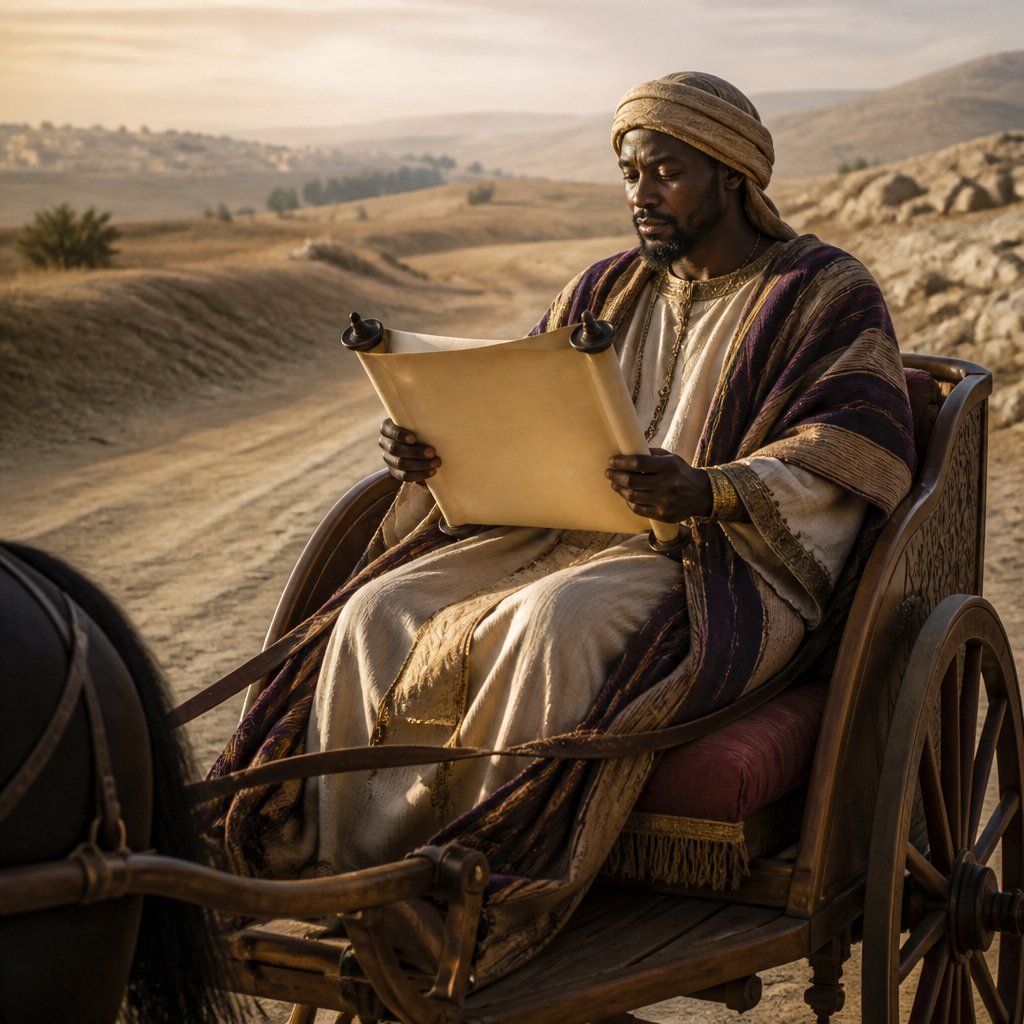
In Acts 8:28 we encounter a moment filled with divine orchestration: "Was returning, and sitting in his chariot read Esaias the prophet." This passage highlights the actions of the Ethiopian eunuch, a high-ranking official who had just completed a pilgrimage to Jerusalem to worship. As he returned home, the profound act of reading Scripture in his chariot serves as a powerful analogy for our spiritual journeys. The act of reading, in this context, becomes a significant symbol of searching for understanding and truth, much like our own quest for spiritual insight.
The eunuch's dedicated manner of engaging with the Word of God invites us to reflect on our own approach to Scripture. It is important to recognize that sitting in a chariot symbolizes a position of stability and focus, an ideal space to engage with the profound truths being explored. In a modern world filled with distractions, how do we cultivate that sense of attentiveness when seeking God? Like the eunuch, do we set apart time to read, reflect, and engage deeply with Scripture?
As we delve into this passage, we must first appreciate the significance of the Ethiopian eunuch himself. He is a man of distinction and power, yet he humbles himself to seek greater understanding. His journey illustrates that no matter our status or success in life, the pursuit of spiritual knowledge is paramount. The hunger for divine wisdom transcends societal positions and exemplifies the notion that spiritual maturity begins with a heart that longs for more.
The Scripture he reads, "Esaias the prophet," refers to the prophet Isaiah. This Old Testament book is rich with prophecies about the coming Messiah, a subject of immense importance for building faith. The eunuch's choice to read Isaiah demonstrates his desire for a deeper relationship with God and understanding of His will. As Christians, we too are called to seek wisdom from the Word of God, delving into passages that reveal Christ and His redemptive plan for humanity.
Moreover, this moment foreshadows the coming encounter with Philip, the evangelist, who is led by the Holy Spirit to the eunuch's chariot. It is crucial to note that divine encounters often occur as we engage with God’s Word. How many of us have experienced transformative changes in our lives while diligently searching through Scripture? The act of seeking answers within the text opens up pathways for revelation and connection with the divine.
Consequently, Acts 8:28 serves as a reminder that God is intimately involved in our quest for understanding. It beckons us to consider how the Holy Spirit works in our lives as we read and contemplate His Word. Just as Philip swiftly joins the eunuch, we can expect the Spirit’s presence to lead us, illuminate our minds, and guide our hearts. Therefore, we should approach reading the Bible not only as a duty but also as a devotional delight, recognizing that our prayerful engagement opens the door for God to act in our lives.
In closing, let us take a moment to reflect on our own "chariots"—the personal spaces where we encounter God’s Word. Are we creating environments that foster spiritual growth? Are we hungry for knowledge and the presence of the Lord, eager to understand His plans for our lives? Like the Ethiopian eunuch, may we never underestimate the power of reading, reflecting, and yielding ourselves to the truths found in Scripture. Let our hearts be open to revelations that can guide us through the complexities of life, as we trust in the journey that God has set before us.
Want to reflect more on Acts 8:28?
Continue your spiritual journey with Bible Chat — an AI-powered tool for exploring God's Word through conversation. Ask questions, discover connections, and deepen your understanding.
Get Our Apps


Acts 8:28 Artwork

Acts 8:28 - "Was returning, and sitting in his chariot read Esaias the prophet."
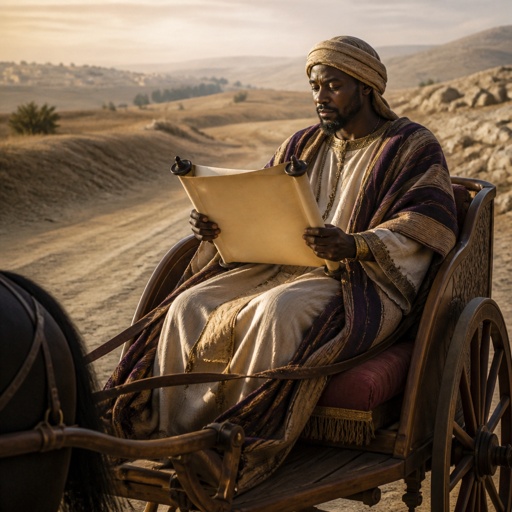
"Was returning, and sitting in his chariot read Esaias the prophet." - Acts 8:28
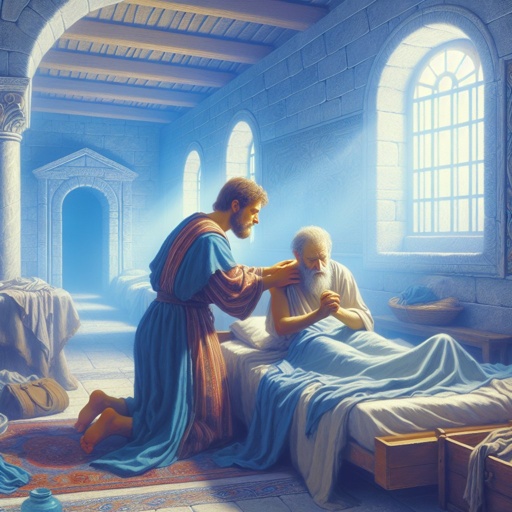
Acts 28:8 - "And it came to pass, that the father of Publius lay sick of a fever and of a bloody flux: to whom Paul entered in, and prayed, and laid his hands on him, and healed him."

Acts 28:12

Acts 28:28 - "Be it known therefore unto you, that the salvation of God is sent unto the Gentiles, and that they will hear it."

Acts 14:28 - "And there they abode long time with the disciples."

Acts 28:12 - "And landing at Syracuse, we tarried there three days."

Acts 9:28 - "And he was with them coming in and going out at Jerusalem."

Acts 8:8 - "And there was great joy in that city."

Acts 28:1 - "And when they were escaped, then they knew that the island was called Melita."

Acts 28:5 - "And he shook off the beast into the fire, and felt no harm."

Acts 28:24 - "And some believed the things which were spoken, and some believed not."

Acts 7:28 - "Wilt thou kill me, as thou diddest the Egyptian yesterday?"

Acts 18:28 - "For he mightily convinced the Jews, and that publickly, shewing by the scriptures that Jesus was Christ."

Acts 26:28 - "Then Agrippa said unto Paul, Almost thou persuadest me to be a Christian."

Acts 4:28 - "For to do whatsoever thy hand and thy counsel determined before to be done."

Romans 8:28

matthew 8:28

Romans 8:28

Romans 8:28

Romans 8:28

Romans 8:28

"And there they abode long time with the disciples." - Acts 14:28

"And there was great joy in that city." - Acts 8:8

Acts 1:8

"Be it known therefore unto you, that the salvation of God is sent unto the Gentiles, and that they will hear it." - Acts 28:28

Acts 8:33

Acts 16:28 - "But Paul cried with a loud voice, saying, Do thyself no harm: for we are all here."

Acts 13:28 - "And though they found no cause of death in him, yet desired they Pilate that he should be slain."
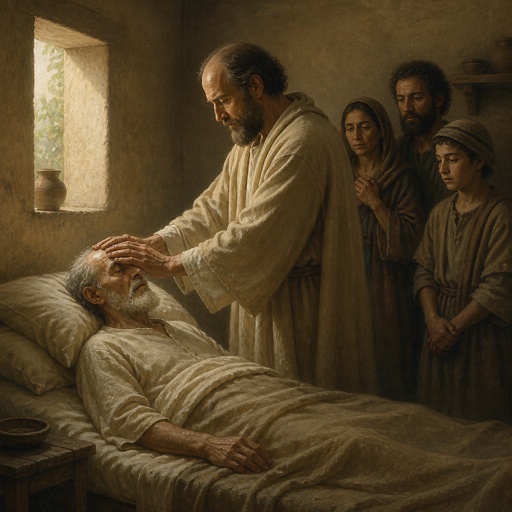
"And it came to pass, that the father of Publius lay sick of a fever and of a bloody flux: to whom Paul entered in, and prayed, and laid his hands on him, and healed him." - Acts 28:8