From Bondage to Blessing: The Journey of Faith
"And the nation to whom they shall be in bondage will I judge, said God: and after that shall they come forth, and serve me in this place." - Acts 7:7
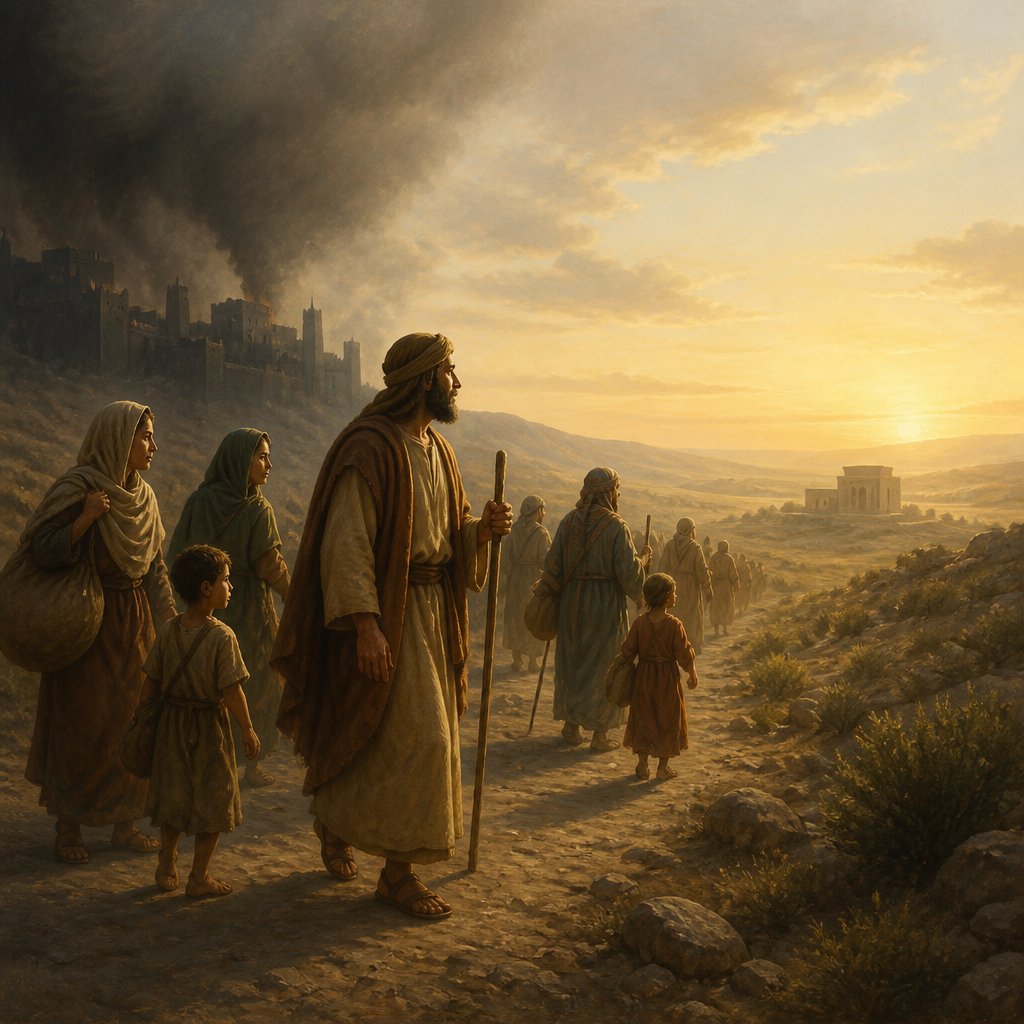
In Acts 7:7, we read: "And the nation to whom they shall be in bondage will I judge, said God: and after that shall they come forth, and serve me in this place." This verse speaks of a profound promise—a promise of deliverance from oppression and the powerful transition from bondage to worship. It encapsulates the essence of God's faithfulness, His judgment over injustice, and His plan to restore us to a place of service and worship.
To begin understanding this verse, we must consider the context in which Stephen, the speaker of these words, finds himself. He is addressing the Sanhedrin, recounting the history of God's people and God's unwavering commitment to His covenant with them. This moment is significant, as Stephen's narrative reminds us of God’s great mercy and His purpose amid trials. God's pronouncement in this verse is a response to a period of suffering and oppression faced by the Israelites while they lived in Egypt.
The phrase "the nation to whom they shall be in bondage" refers specifically to Egypt—the place of torment and hardship for God’s chosen people. In biblical history, Egypt symbolizes not only physical slavery but also spiritual bondage. The affliction faced by the Israelites is a poignant reminder that there are 'Egypts' in our own lives—situations that hold us captive, whether they be sin, doubt, addiction, or fear.
God is a righteous judge. When He says, "will I judge," there is a powerful assurance that no injustice will go unnoticed, and no suffering will be in vain. This judgment brings forth a promise. God declares a future reality where His people will emerge from bondage. Just as He saw the cries of the Israelites and prepared to intervene, He sees our struggles today and offers a promise of relief and restoration.
Yet, the journey from bondage to worship is not instantaneous. There's an important process involved. God does not simply pluck His people out of Egypt and set them free without a plan. Instead, He places them on a journey. This journey is often fraught with difficulty, trials, and moments of doubt—in the wilderness, they faced hunger, fear, and even temptation to return to their former lives.
In our own lives, when we find ourselves in the grip of difficulties, we might mistake God’s silence for indifference. It’s essential to remember that while we wait for deliverance, God is preparing us. The end goal is that we might come forth and serve Him—not just with our actions but with the entirety of our lives dedicated to His service. Our wilderness experiences can serve to deepen our faith, shape our character, and clarify our purpose.
When God promises that "after that shall they come forth," He points to a future filled with hope and divine purpose. We know from the biblical narrative that the Israelites eventually left Egypt, and after spending forty years in the wilderness, they entered the Promised Land. This illustrates a crucial point for us: the trials we endure today will lead us to a richer blessing tomorrow, if we remain steadfast and faithful.
Thus, as we meditate on Acts 7:7, let us embrace the reality that seasons of bondage are often preparatory. God’s ultimate intention is not just to free us from our struggles but to bring us into a deeper relationship with Him—where we serve Him wholeheartedly in obedience and joy. As we face our personal 'Egypts,' may we look to God, trusting in His promises, understanding that He is both judging the injustice we endure and preparing us for a greater calling.
In conclusion, Acts 7:7 serves as a reminder that our hardships are not the end of our story. Each trial comes with a divine promise of emergence and service. Let us place our trust in God's plan, knowing that His judgment will lead to our liberation, and we will come forth, forever changed, to serve Him in this place.
Want to reflect more on Acts 7:7?
Continue your spiritual journey with Bible Chat — an AI-powered tool for exploring God's Word through conversation. Ask questions, discover connections, and deepen your understanding.
Get Our Apps


Acts 7:7 Artwork

Acts 7:7 - "And the nation to whom they shall be in bondage will I judge, said God: and after that shall they come forth, and serve me in this place."
"And the nation to whom they shall be in bondage will I judge, said God: and after that shall they come forth, and serve me in this place." - Acts 7:7

Acts 3:6-7

Acts 3:6-7

Acts 3:6-7

Acts 3:6-7

Acts 3:6-7

Acts 14:7 - "And there they preached the gospel."

acts 20:7-12

Acts 7:47 - "But Solomon built him an house."

Acts 7:1 - "Then said the high priest, Are these things so?"

Acts 19:7 - "And all the men were about twelve."

"And there they preached the gospel." - Acts 14:7

Acts 7:50 - "Hath not my hand made all these things?"

Acts 7:18 - "Till another king arose, which knew not Joseph."

Acts 7:53 - "Who have received the law by the disposition of angels, and have not kept it."

Acts 7:9 - "And the patriarchs, moved with envy, sold Joseph into Egypt: but God was with him,"

Acts 7:22 - "And Moses was learned in all the wisdom of the Egyptians, and was mighty in words and in deeds."

Acts 7:28 - "Wilt thou kill me, as thou diddest the Egyptian yesterday?"

Acts 7:54 - "¶ When they heard these things, they were cut to the heart, and they gnashed on him with their teeth."

Acts 7:48 - "Howbeit the most High dwelleth not in temples made with hands; as saith the prophet,"

Acts 7:15 - "So Jacob went down into Egypt, and died, he, and our fathers,"

"But Solomon built him an house." - Acts 7:47

Acts 7:55-56 – "Stephen, full of the Holy Spirit, looked up to heaven and saw the glory of God."

Acts 7:55-56 – "Stephen, full of the Holy Spirit, looked up to heaven and saw the glory of God."

Acts 16:7 - "After they were come to Mysia, they assayed to go into Bithynia: but the Spirit suffered them not."

Acts 9:7 - "And the men which journeyed with him stood speechless, hearing a voice, but seeing no man."

Acts 7:46 - "Who found favour before God, and desired to find a tabernacle for the God of Jacob."

Acts 7:55-56 – "Stephen, full of the Holy Spirit, looked up to heaven and saw the glory of God."

Acts 11:7 - "And I heard a voice saying unto me, Arise, Peter; slay and eat."