Understanding God's Timing: The Story of Moses
"For he supposed his brethren would have understood how that God by his hand would deliver them: but they understood not." - Acts 7:25
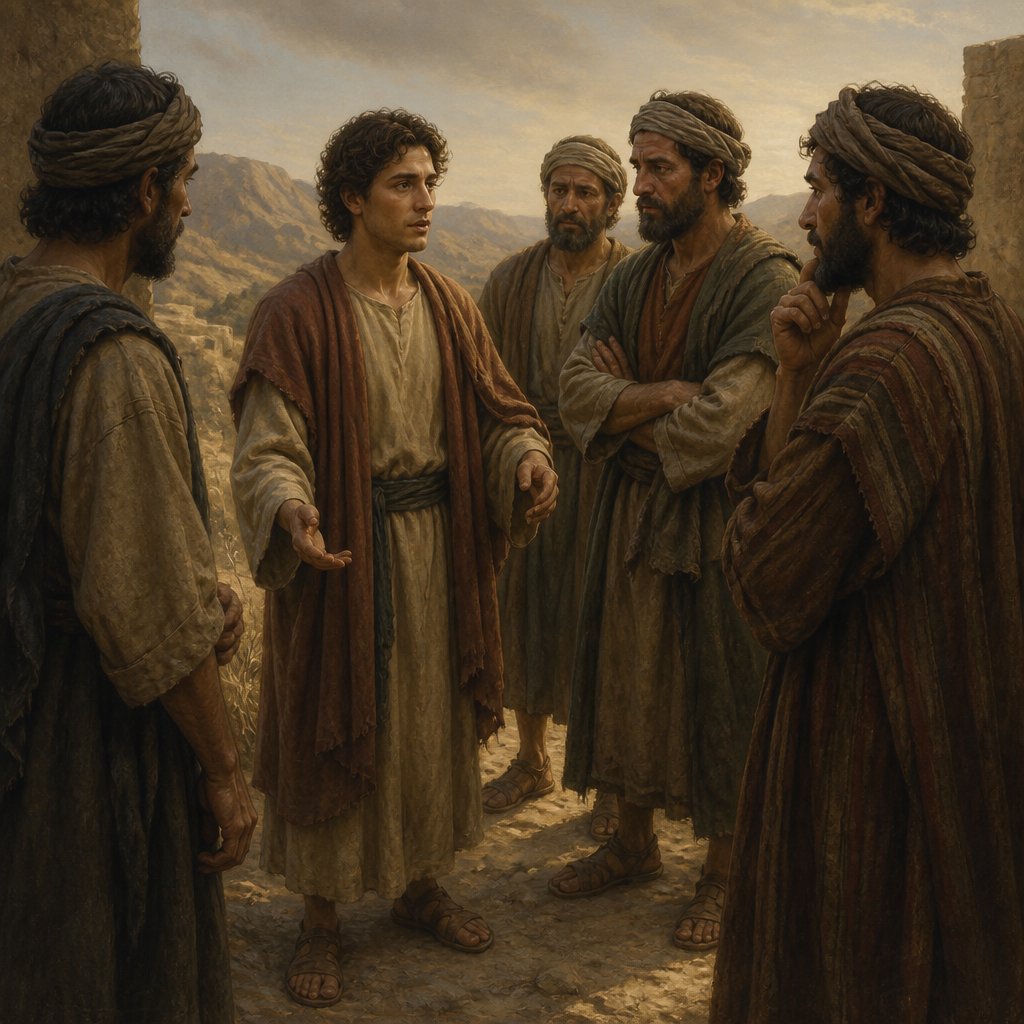
In Acts 7:25, we read: "For he supposed his brethren would have understood how that God by his hand would deliver them: but they understood not." This verse encapsulates a profound truth that often reverberates throughout Scripture and our own lives—the tension between divine purpose and human perception. As we delve deeper into this verse, we can glean insights into God's timing, our understanding, and the hope for a community transformed by faith.
The context of Acts 7:25 takes us back to the life of Moses. Raised in the Egyptian palace, Moses had a unique upbringing that set him apart. He was not just any Hebrew; he was educated, privileged, and well-versed in the ways of the Egyptians. However, his identity as a Hebrew was never fully erased. He felt a deep connection to his enslaved people, and as we see in Exodus 2, this connection often morphed into a fervent desire to see them freed.
The pivotal moment arrives when Moses witnesses an Egyptian beating a Hebrew. In a burst of righteous anger, he takes matters into his own hands and kills the Egyptian, believing that his actions would spark the deliverance of his people. But instead, his planned uprising only results in chaos and fear, as he is forced to flee into the wilderness. It is here, in a foreign land, that Moses learns one of life's most difficult lessons: timing and understanding belong to God.
In our society, we often rush towards change, believing that we possess the insight to enact it. Like Moses, we’ve been tasked with noticing injustices, understanding God’s heart, and wanting to act. However, God’s ways are not our ways and His timing seldom aligns with our eager hearts. When Moses returned to his brethren with the intention of leading them to freedom, he was surprised by their rejection. They did not understand the purpose behind his actions, nor did they recognize that he was chosen by God to be their deliverer. This verse poignantly captures this misunderstanding: "but they understood not."
Why did the Hebrews fail to recognize Moses as their savior? Perhaps it was because they could not fathom that God would choose someone like Moses—an Egyptian prince and a flawed man—to be their liberator. Our expectations can blind us from seeing God's plan; we often envision deliverance coming in powerful and mighty ways, yet God is often at work in the most unexpected circumstances, using flawed vessels.
In today's world, the challenge remains the same. People are often blinded by the immediate and the tangible, struggling to see the fingerprints of God amid chaos. We may find ourselves discouraged when others do not immediately grasp the truths we hold or when they resist the message we strive to share. Christ calls us to bear witness to His truth, to be His hands and feet, yet we may face similar resistance.
Moses’ journey teaches us of patience and persistence. It calls us to trust in God’s timing rather than our own understanding. When we witness those around us misunderstanding God's message or rejecting His love, we are reminded to remain faithful. God prepared Moses for an 80-year journey of growth before allowing him to confront Pharaoh and lead the Israelites out of Egypt. We must remember that often, during the waiting, God is shaping us into the vessels He desires us to be.
As we meditate on Acts 7:25, let us pray for clarity—both for ourselves and for those around us. May we seek understanding, allowing the Holy Spirit to guide our actions and attitudes. Let us have the patience to wait for God’s perfect plan to unfold, knowing that deliverance may not come in the way we imagined. We are called to trust in His wisdom and timing, knowing that He is always at work, preparing hearts to receive His message.
Let us be active participants in God’s work while also resting in the understanding that He is sovereign over all narratives. Ultimately, our confidence does not lie within our rationale but in God's unchanging purpose and promise.
Want to reflect more on Acts 7:25?
Continue your spiritual journey with Bible Chat — an AI-powered tool for exploring God's Word through conversation. Ask questions, discover connections, and deepen your understanding.
Get Our Apps


Acts 7:25 Artwork

Acts 7:25 - "For he supposed his brethren would have understood how that God by his hand would deliver them: but they understood not."
"For he supposed his brethren would have understood how that God by his hand would deliver them: but they understood not." - Acts 7:25
Acts 25:7 - "And when he was come, the Jews which came down from Jerusalem stood round about, and laid many and grievous complaints against Paul, which they could not prove."

Acts 23:25 - "And he wrote a letter after this manner:"

Acts 11:25 - "Then departed Barnabas to Tarsus, for to seek Saul:"

Acts 14:25 - "And when they had preached the word in Perga, they went down into Attalia:"

Acts 25:25 - "But when I found that he had committed nothing worthy of death, and that he himself hath appealed to Augustus, I have determined to send him."

Acts 3:6-7

Acts 3:6-7

Acts 3:6-7

Acts 3:6-7

Acts 3:6-7

Acts 9:25 - "Then the disciples took him by night, and let him down by the wall in a basket."

Acts 25:2 - "Then the high priest and the chief of the Jews informed him against Paul, and besought him,"

Genesis 25-7

Acts 14:7 - "And there they preached the gospel."

Acts 16:25 - "¶ And at midnight Paul and Silas prayed, and sang praises unto God: and the prisoners heard them."

Acts 25:27 - "For it seemeth to me unreasonable to send a prisoner, and not withal to signify the crimes laid against him."

Acts 10:25 - "And as Peter was coming in, Cornelius met him, and fell down at his feet, and worshipped him."

Acts 25:13 - "And after certain days king Agrippa and Bernice came unto Caesarea to salute Festus."

Acts 27:25 - "Wherefore, sirs, be of good cheer: for I believe God, that it shall be even as it was told me."

Acts 25:4 - "But Festus answered, that Paul should be kept at Caesarea, and that he himself would depart shortly thither."

"And he wrote a letter after this manner:" - Acts 23:25

"Then departed Barnabas to Tarsus, for to seek Saul:" - Acts 11:25

Acts 25:18 - "Against whom when the accusers stood up, they brought none accusation of such things as I supposed:"

acts 20:7-12

Acts 25:1 - "Now when Festus was come into the province, after three days he ascended from Caesarea to Jerusalem."

Acts 8:25 - "And they, when they had testified and preached the word of the Lord, returned to Jerusalem, and preached the gospel in many villages of the Samaritans."

2 Chronicles 25:26 - "Now the rest of the acts of Amaziah, first and last, behold, are they not written in the book of the kings of Judah and Israel?"

2 Kings 21:25 - "Now the rest of the acts of Amon which he did, are they not written in the book of the chronicles of the kings of Judah?"