Faith in the Midst of Oppression: A Reflection on Acts 7:19
"The same dealt subtilly with our kindred, and evil entreated our fathers, so that they cast out their young children, to the end they might not live." - Acts 7:19
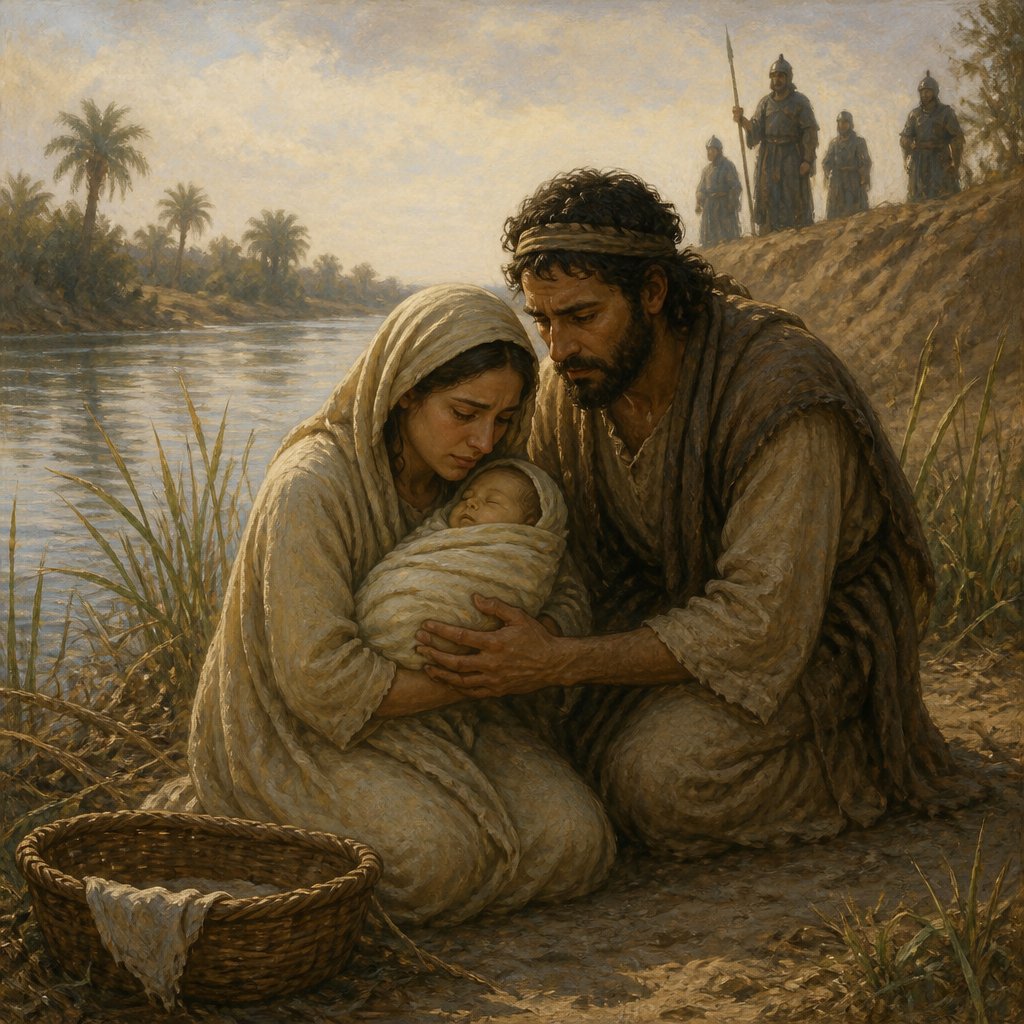
The verse we reflect upon today is found in Acts 7:19 (KJV), which states: "The same dealt subtilly with our kindred, and evil entreated our fathers, so that they cast out their young children, to the end they might not live." There is much to glean from this passage, as it encompasses themes of oppression, deceit, and the struggle for survival faced by the people of Israel in Egypt.
In this verse, Stephen recounts the history of God's people, particularly highlighting the experience of the Israelites during a time of dire straits. The "same" refers to the new pharaoh who arose in Egypt, indifferent to the legacy of Joseph and his people. Instead of acknowledging the contributions of the Israelites, he viewed them with suspicion, deceitfully plotting against them. This pharaoh represents the harsh realities of oppression that can arise in society, rooted in fear and the desire to control.
The phrase "dealt subtilly" indicates a deceptive cunning, a trait often associated with the enemy of our souls who seeks to destroy and divide. It reveals to us a crucial understanding: evil often manifests itself in subtlety. This pharaoh, rather than confronting the Israelites openly, operated from a place of false wisdom, manipulating the fears of his people to justify their oppression and inhumane treatment. Often, such oppression does not come with loud proclamations; instead, it weaves itself through subtle manipulation, creating an atmosphere of fear and suspicion.
In the face of such oppression, the verse illuminates a devastating act committed against the innocent: the casting out of young children. This was not merely an act of cruelty; it was a calculated attempt to eradicate a people. It serves as a chilling reminder of how fear can distort humanity to the point that it leads individuals and systems to commit atrocity against the most vulnerable among us. The phrase "to the end they might not live" evokes a heartbreaking reality—when oppression takes hold, the future is threatened, and generations face devastation.
Entwined in this historical narrative is the call for vigilance and awareness. As followers of Christ, this passage challenges us to consider how we respond to the understated and overt injustices around us today. In our own lives, we may not encounter the drastic measures faced by the Israelites, yet subtle forms of oppression persist in many ways—through systemic injustices, prejudice, and the devaluation of life itself. We are called to be advocates for justice and life, to stand up for those who cannot stand for themselves amidst a culture that may seek to silence or cast them aside.
Moreover, this verse also points us toward the hope that God has for His people. Even in the darkest of times, when the powers of oppression seem overwhelming, God’s plans for His people cannot be thwarted. The Israelites' predicament was not the end of their story; it was merely the beginning of God's magnificent deliverance through Moses. God has always been attuned to the plight of His people, initiating a rescue that would eventually culminate in redemption.
As we meditate on Acts 7:19, let us remember that our God is still a God of deliverance. He hears the cries of the oppressed and works through believers to enact His justice and mercy in the world. Let this truth compel us to pursue righteousness and to speak out against the injustices we encounter, reflecting the love and grace of our Savior who came to bring freedom to all who are captive.
In our prayers, let us seek God’s guidance in how we can faithfully respond to the cries of injustice we witness. May we become instruments of His peace and advocates for life, knowing that He is mighty to save even in the direst circumstances.
Want to reflect more on Acts 7:19?
Continue your spiritual journey with Bible Chat — an AI-powered tool for exploring God's Word through conversation. Ask questions, discover connections, and deepen your understanding.
Get Our Apps


Acts 7:19 Artwork

Acts 7:19 - "The same dealt subtilly with our kindred, and evil entreated our fathers, so that they cast out their young children, to the end they might not live."

"The same dealt subtilly with our kindred, and evil entreated our fathers, so that they cast out their young children, to the end they might not live." - Acts 7:19

Acts 19:7 - "And all the men were about twelve."

"And all the men were about twelve." - Acts 19:7

Acts 19: 11

Acts 19:11

Acts 3:6-7

Acts 3:6-7

Acts 3:6-7

Acts 3:6-7

Acts 3:6-7

Acts 19:11 - "And God wrought special miracles by the hands of Paul:"

Acts 19:20 - "So mightily grew the word of God and prevailed."

Acts 19:18 - "And many that believed came, and confessed, and shewed their deeds."

Acts 14:7 - "And there they preached the gospel."

Acts 19:23 - "And the same time there arose no small stir about that way."

Acts 19:5 - "When they heard this, they were baptized in the name of the Lord Jesus."

Depict the events of Acts 19:14-17

Acts 19:41 - "And when he had thus spoken, he dismissed the assembly."

acts 20:7-12

Acts 7:47 - "But Solomon built him an house."

Acts 26:19 - "Whereupon, O king Agrippa, I was not disobedient unto the heavenly vision:"

Acts 27:19 - "And the third day we cast out with our own hands the tackling of the ship."

Acts 7:1 - "Then said the high priest, Are these things so?"

Acts 19:30 - "And when Paul would have entered in unto the people, the disciples suffered him not."

Acts 5:19 - "But the angel of the Lord by night opened the prison doors, and brought them forth, and said,"

"And there they preached the gospel." - Acts 14:7

Acts 19:36 - "Seeing then that these things cannot be spoken against, ye ought to be quiet, and to do nothing rashly."

Romans 7:19

Genesis 19-7