The Call from Desperation: Lessons from Jacob's Faith
"But when Jacob heard that there was corn in Egypt, he sent out our fathers first." - Acts 7:12
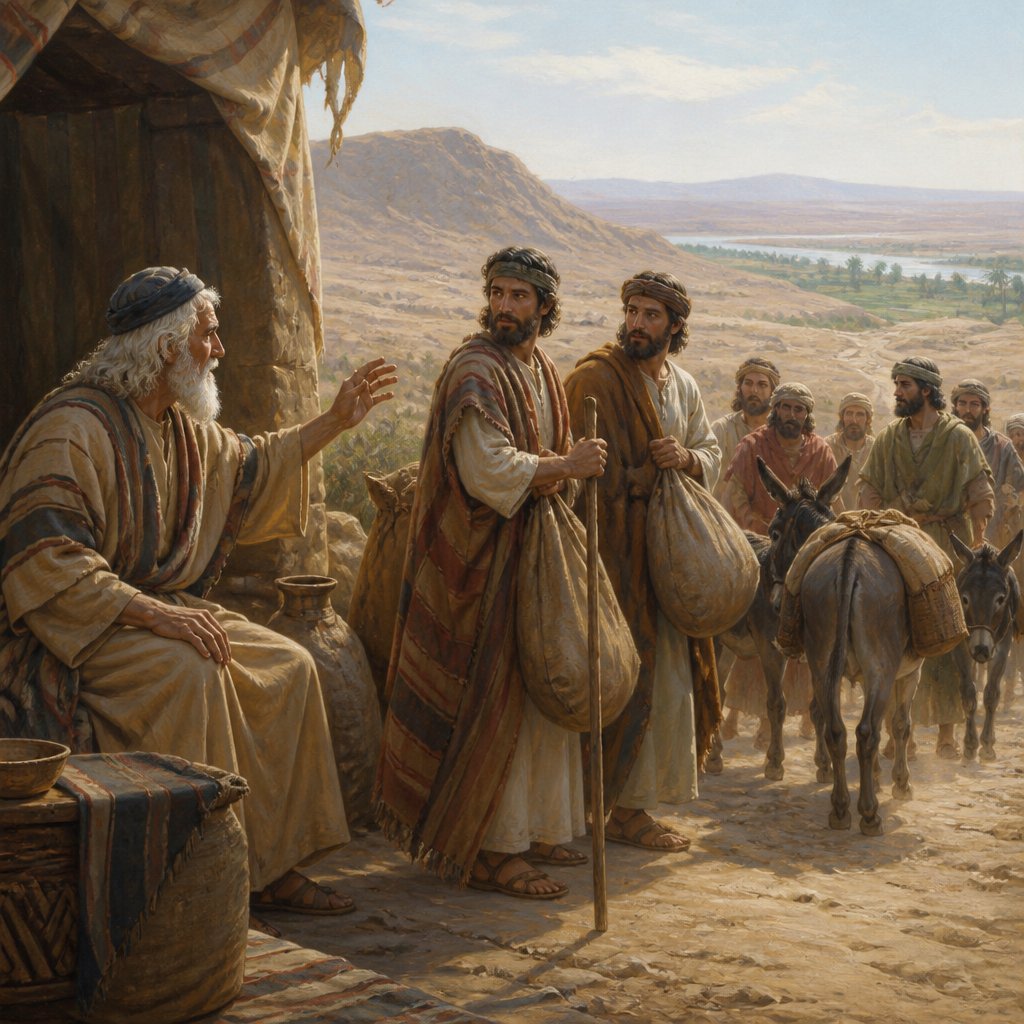
Acts 7:12 (KJV) states, "But when Jacob heard that there was corn in Egypt, he sent out our fathers first." This verse, often overlooked in the grand narrative of Scripture, serves as a profound reminder of faith, urgency, and providence within the trials of life.
Jacob, a patriarch of Israel, was a man who had witnessed the hand of God in many ways throughout his life. He had endured trials, wrestled with angels, and experienced Joseph’s dramatic rise to power in Egypt. Yet it was during a time of famine, desperation, and impending loss that Jacob was faced with a decision that would change the course of his family’s future.
The backdrop of this verse is a world struck by famine—an affliction that had spread like a shadow over the lands, bringing suffering and uncertainty. Jacob learned that there was corn in Egypt, a revelation that sparked hope in a hopeless situation. The need for sustenance was imperative; survival depended on it. This situation reflects many times in our own lives when we feel as though our resources are depleted, and we are left desperate for intervention—whether spiritually, emotionally, or physically.
In this moment of desperation, Jacob acted. He did not remain passive or paralyzed by fear; instead, he took initiative. "He sent out our fathers first." This act of sending forth wasn’t just a logistical move, but it was also an act of faith. Jacob believed that Egypt had what they needed, and he trusted his sons to seek provision. There is something profound about sending out the next generation, entrusting them with the mission ahead. Jacob’s faith shows us the importance of involvement and participation, especially when faced with challenges.
Moreover, this passage speaks to the necessity of communication. Jacob had heard a message of hope—there was corn in Egypt. Now, in our own lives, we need to be attuned to the messages of hope around us. God often communicates through various means—scripture, wise counsel, prayer, and even circumstances. The challenge we face is whether we will respond in faith like Jacob did when we receive such revelations.
Jacob’s decision was deeply rooted in love for his family. He understood the weight of the famine and the implications it had for those he loved. The decision was not only to save his own life but also to secure the future of his entire lineage. This teaches us about the intergenerational responsibility we have as believers. Our decisions today—motivated by faith and wisdom—will have consequences for those who come after us.
As we consider our own lives and the many famines we might face, we can draw valuable lessons from Jacob’s predicament. First, we should seek God diligently for guidance in our hardships. Where is the corn in our Egypt? What is God calling us to pursue for nourishment—spiritually, relationally, or physically?
Second, we must not neglect the necessity of action. Like Jacob, we need to take a step of faith when we hear hope. This could mean seeking out new opportunities, reaching out for help, or stepping into new ventures God is calling us toward. Inaction in the face of dire circumstances can lead to stagnation and hopelessness.
Finally, we must remember the value of community and family. In a time of famine, we often need to lean on one another for strength and support. Jacob’s act of sending his sons out signifies the power of teamwork and collaboration—it reminds us that we are not alone in our struggles.
In essence, Acts 7:12 gives us a snapshot of faith in action during crisis. Let us embrace the urgency it calls us to, empowering ourselves and others to step forward in faith, trusting that where there is need, God will provide corn in Egypt for us.
Want to reflect more on Acts 7:12?
Continue your spiritual journey with Bible Chat — an AI-powered tool for exploring God's Word through conversation. Ask questions, discover connections, and deepen your understanding.
Get Our Apps


Acts 7:12 Artwork
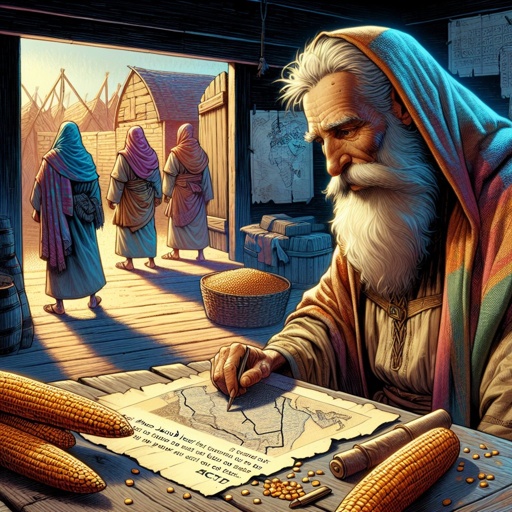
Acts 7:12 - "But when Jacob heard that there was corn in Egypt, he sent out our fathers first."
"But when Jacob heard that there was corn in Egypt, he sent out our fathers first." - Acts 7:12

acts 20:7-12
!["And, behold, the angel of the Lord came upon [him], and a light shined in the prison: and he smote Peter on the side, and raised him up, saying, Arise up quickly. And his chains fell off from [his] hands." - Acts 12:7](https://media.bible.art/1f5d2caa-854e-4d42-b8fc-bb2ce298177e-thumbnail.jpg)
"And, behold, the angel of the Lord came upon [him], and a light shined in the prison: and he smote Peter on the side, and raised him up, saying, Arise up quickly. And his chains fell off from [his] hands." - Acts 12:7

1 Samuel 12:7 - "Now therefore stand still, that I may reason with you before the LORD of all the righteous acts of the LORD, which he did to you and to your fathers."

Acts 12:7 - "And, behold, the angel of the Lord came upon him, and a light shined in the prison: and he smote Peter on the side, and raised him up, saying, Arise up quickly. And his chains fell off from his hands."

Acts 18:12

Acts 28:12

Acts 18:12

Acts 3:6-7

Acts 3:6-7

Acts 3:6-7

Acts 3:6-7

Acts 3:6-7

Acts 4:8-12

Acts 14:7 - "And there they preached the gospel."

Acts 12:24 - "¶ But the word of God grew and multiplied."

Acts 7:47 - "But Solomon built him an house."

Acts 12:2 - "And he killed James the brother of John with the sword."

Acts 28:12 - "And landing at Syracuse, we tarried there three days."

Acts 7:1 - "Then said the high priest, Are these things so?"

Acts 19:7 - "And all the men were about twelve."

Acts 12:22 - "And the people gave a shout, saying, It is the voice of a god, and not of a man."

"And there they preached the gospel." - Acts 14:7

Acts 20:12 - "And they brought the young man alive, and were not a little comforted."

Acts 7:50 - "Hath not my hand made all these things?"

Acts 7:7 - "And the nation to whom they shall be in bondage will I judge, said God: and after that shall they come forth, and serve me in this place."

Acts 7:18 - "Till another king arose, which knew not Joseph."

Acts 12:13 - "And as Peter knocked at the door of the gate, a damsel came to hearken, named Rhoda."

Acts 14:12 - "And they called Barnabas, Jupiter; and Paul, Mercurius, because he was the chief speaker."