The Unchanging Message of Christ: A Reflection on Acts 6:14
"For we have heard him say, that this Jesus of Nazareth shall destroy this place, and shall change the customs which Moses delivered us." - Acts 6:14
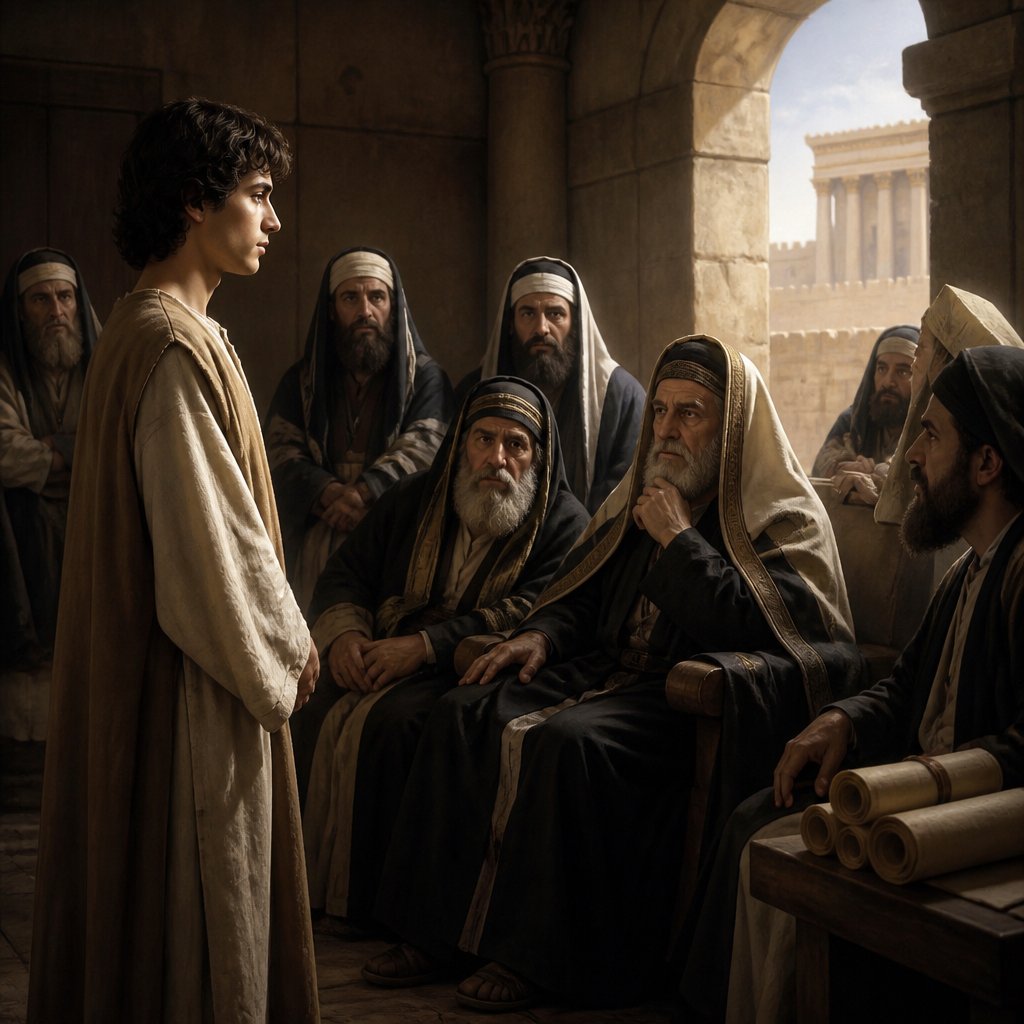
In the heart of the Book of Acts, we encounter a moment that encapsulates the profound and often unsettling transformation that Jesus Christ brought to the world. The verse Acts 6:14 states, "For we have heard him say, that this Jesus of Nazareth shall destroy this place, and shall change the customs which Moses delivered us." This declaration, echoing through the corridors of time, invites us to consider both the power and the discomfort of the gospel's impact on established traditions and beliefs.
To fully grasp the significance of this statement, we must understand the context in which it was made. The early church, filled with the Spirit and emboldened by their commitment to Christ, faced intense scrutiny from the religious leaders of the day. This moment indicates the opposition Stephen faced as he preached the radical teachings of Jesus. He was accused of blasphemy against the Temple and the Law of Moses, an accusation that posed both a political and religious threat to the established order.
In declaring that Jesus "shall destroy this place," the accusers were referring to the Temple—God’s dwelling among His people—a symbol of national pride and religious identity. The Temple was the center of Jewish worship where sacrifices were made, where people came to seek forgiveness and guidance from the Lord. The phrase "change the customs which Moses delivered us" pointed to the profound implications of Jesus' message; it challenged the very foundation of Mosaic Law and the traditions that had built the identity of the Jewish people for centuries.
At the heart of this accusation lies a clear truth: Christ’s ministry was not meant to merely alter the existing practices, but to fulfill and transcend them. Matthew 5:17 reminds us of this mission: "Think not that I am come to destroy the law, or the prophets: I am not come to destroy, but to fulfill." Jesus brought forth a new covenant, one written not on tablets of stone, but on the hearts of men (Jeremiah 31:33). He did not abolish the law; rather, He transformed our understanding of it, inviting us into a new kind of relationship with God—one characterized by grace rather than rigid adherence to customs.
When we reflect on Acts 6:14 today, we are faced with a challenge that resonates deeply in our contemporary lives. Just as the early believers grappled with the shifting paradigms of faith, we too must wrestle with the ways Jesus challenges our traditions and practices. This prompts us to ask ourselves: are there areas in our lives where we cling too tightly to tradition, perhaps at the expense of what the Spirit is calling us to do?
Additionally, the words of this verse remind us that, while traditions can be significant, they should never overshadow the gospel's transformative power. Our gatherings, customs, and systems of belief should ultimately point us towards Christ, rather than serve as barriers to encountering Him. We are challenged to evaluate our churches and communities: are they places where we can boldly proclaim the unfettered message of Jesus, or do they risk becoming places that uphold human traditions over the divine calling of love and redemption?
Moreover, in a world where change is often met with resistance, Acts 6:14 beckons us to embrace the radical change that Christ brings. The good news is that Jesus, in all His authority, desires to work within us and through us, even as we navigate the discomfort of change. He calls us to be agents of transformation in our own communities, to be open to the ways that He may be leading us to adapt and evolve in our faith while remaining anchored in truth.
In conclusion, let us take heed of Acts 6:14 as a reminder that our faith is not stagnant but alive; it is adaptable and dynamic. As we reflect on the enduring words of Jesus, may we persistently seek His will above all else, allowing the Holy Spirit to guide us into new understandings of His love and grace. In a world hungry for truth, let us declare unapologetically that Christ lives, He transforms, and He changes everything.
Want to reflect more on Acts 6:14?
Continue your spiritual journey with Bible Chat — an AI-powered tool for exploring God's Word through conversation. Ask questions, discover connections, and deepen your understanding.
Get Our Apps


Acts 6:14 Artwork

Acts 6:14 - "For we have heard him say, that this Jesus of Nazareth shall destroy this place, and shall change the customs which Moses delivered us."
"For we have heard him say, that this Jesus of Nazareth shall destroy this place, and shall change the customs which Moses delivered us." - Acts 6:14

Acts 14:6 - "They were ware of it, and fled unto Lystra and Derbe, cities of Lycaonia, and unto the region that lieth round about:"
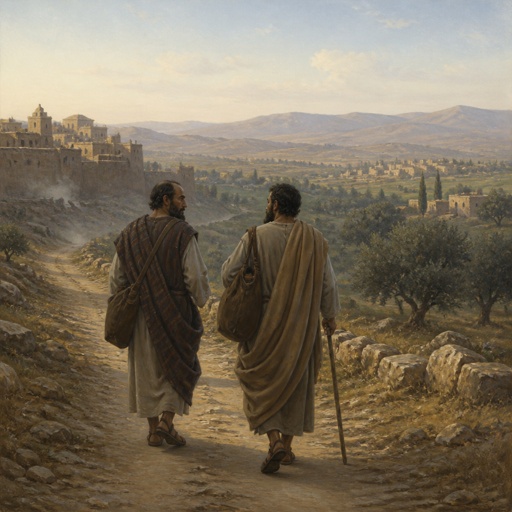
"They were ware of it, and fled unto Lystra and Derbe, cities of Lycaonia, and unto the region that lieth round about:" - Acts 14:6

Acts 14:17

Acts 14:7 - "And there they preached the gospel."

Acts 3:6-7

Acts 3:6-7

Acts 3:6-7

Acts 3:6-7

Acts 3:6-7

Acts 14:28 - "And there they abode long time with the disciples."

Acts 14:14 - "Which when the apostles, Barnabas and Paul, heard of, they rent their clothes, and ran in among the people, crying out,"

Acts 6:6 - "Whom they set before the apostles: and when they had prayed, they laid their hands on them."

"And there they preached the gospel." - Acts 14:7

Acts 21:5-6

Acts 14:24 - "And after they had passed throughout Pisidia, they came to Pamphylia."

Depict the events of Acts 19:14-17

Acts 14:25 - "And when they had preached the word in Perga, they went down into Attalia:"

Acts 27:14 - "But not long after there arose against it a tempestuous wind, called Euroclydon."

Acts 14:4 - "But the multitude of the city was divided: and part held with the Jews, and part with the apostles."

Acts 15:6 - "¶ And the apostles and elders came together for to consider of this matter."

Acts 14:16 - "Who in times past suffered all nations to walk in their own ways."

Acts 14:18 - "And with these sayings scarce restrained they the people, that they had not done sacrifice unto them."

Acts 5:14 - "And believers were the more added to the Lord, multitudes both of men and women.)"

2 Kings 14:18 - "And the rest of the acts of Amaziah, are they not written in the book of the chronicles of the kings of Judah?"

Acts 14:12 - "And they called Barnabas, Jupiter; and Paul, Mercurius, because he was the chief speaker."

Acts 21:14 - "And when he would not be persuaded, we ceased, saying, The will of the Lord be done."

Acts 6:4 - "But we will give ourselves continually to prayer, and to the ministry of the word."

"And there they abode long time with the disciples." - Acts 14:28