Welcoming Strangers: A Lesson from Publius
"In the same quarters were possessions of the chief man of the island, whose name was Publius; who received us, and lodged us three days courteously." - Acts 28:7
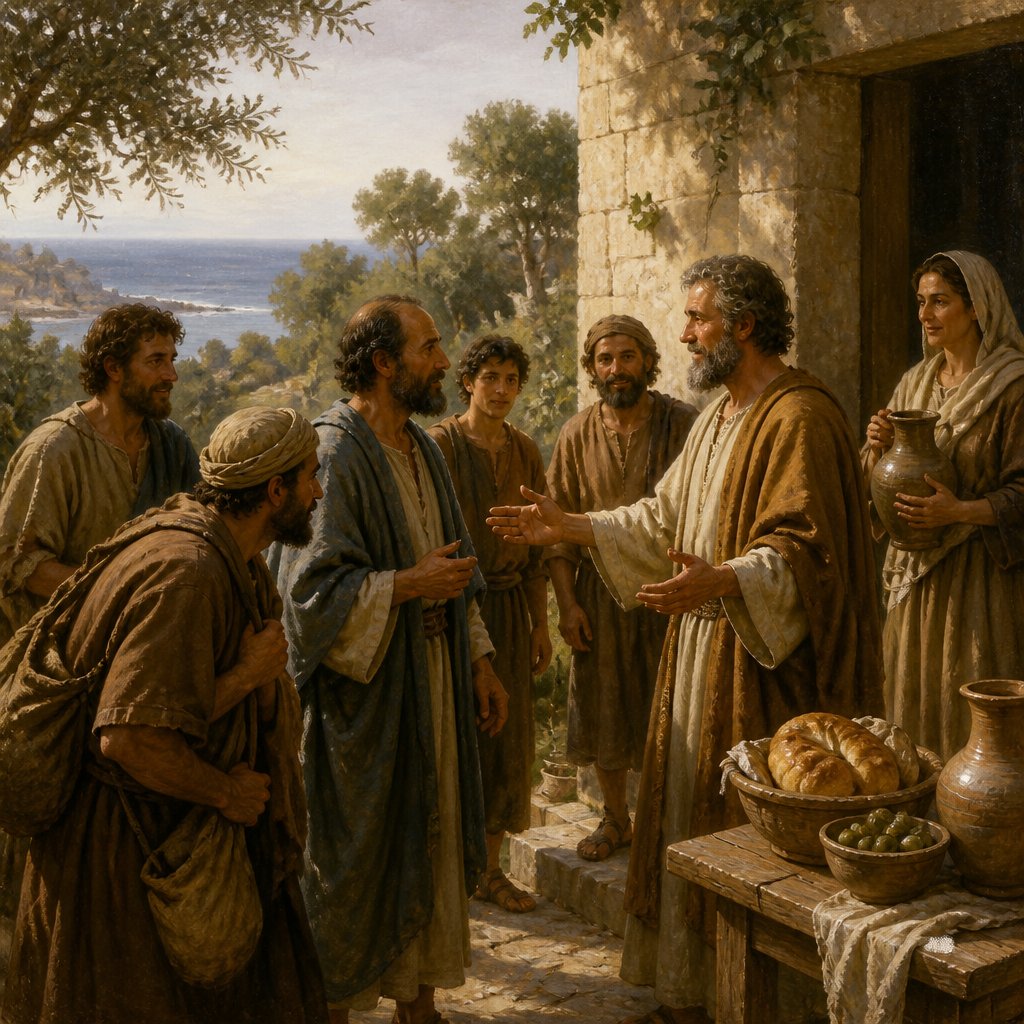
In the book of Acts, we find a pivotal moment in the apostle Paul's journey, particularly highlighted in Acts 28:7, which states, "In the same quarters were possessions of the chief man of the island, whose name was Publius; who received us, and lodged us three days courteously." This verse, while seemingly a mere narrative detail, unfolds a profound truth about hospitality, divine appointments, and the impact of kindness.
The story begins with Paul and other shipwrecked survivors arriving on the island of Malta after a harrowing sea journey. They had endured a violent storm, with the fear of death preceding them. Yet upon their arrival, they encountered Publius, the chief man of the island, who extended not only his home but his generous hospitality. In a world often marred by suspicion and self-interest, Publius stood out as a beacon of grace, showcasing the significance of welcoming strangers.
This event begs us to reflect on what it means to provide hospitality. Publius did not merely offer a roof over Paul’s head; he embraced the distressing situation of the shipwrecked travelers and acted with kindness and respect. He welcomed them for three days, offering comfort and care. This is an extraordinary reminder for us all, especially in times when people are more likely to retreat into their shells rather than reach out to those in need.
In our lives, we often encounter situations where we can offer that same spirit of hospitality – to welcome others into our homes, our communities, or even our souls. As Christians, we are called to reflect Christ’s love, and how we treat strangers is a direct manifestation of that calling. In Hebrews 13:2, we are reminded, "Be not forgetful to entertain strangers: for thereby some have entertained angels unawares." This verse aligns beautifully with the experience of Paul and his companions. Their encounter with Publius may have been one of divine orchestration, an act of God placing them in the path of a man willing to care, whose hospitality would set the stage for miracles to unfold.
Moreover, Publius’s kindness did not go unnoticed by God. During this stay, Paul healed Publius's father, who was sick of a fever and dysentery. As a result, the islanders began to bring others to Paul to be healed, thus spreading the message of the Gospel in an entirely new setting. What began as an act of hospitality morphed into an outpouring of God’s healing and grace. This reflects the profound impact that hospitality can have – not only on the individual being received but also on the broader community. When kindness becomes part of our interactions, the ripple effect can lead to extraordinary outcomes.
As we meditate on this passage, we must ask ourselves: How are we practicing hospitality in our daily lives? Do we see every interaction with strangers as a potential divine appointment? Are we leaving ourselves open to be used as instruments of God's grace? Just as Publius welcomed Paul and his companions with open arms, let us extend the same warmth and generosity to those who cross our paths.
Thus, the lesson from Publius transcends time and culture. It teaches us about the power of kindness. Let us embrace the spirit of hospitality, recognizing it as an opportunity not merely to fulfill a social obligation but to enact the love of Christ in practical ways. Whenever we extend hospitality, we mirror the love of God, bringing a piece of heaven to earth, one welcoming gesture at a time. May we gather the strength and willingness to be conduits of God’s love, just like Publius, inviting all into our lives with grace and warmth.
Want to reflect more on Acts 28:7?
Continue your spiritual journey with Bible Chat — an AI-powered tool for exploring God's Word through conversation. Ask questions, discover connections, and deepen your understanding.
Get Our Apps


Acts 28:7 Artwork

Acts 28:7 - "In the same quarters were possessions of the chief man of the island, whose name was Publius; who received us, and lodged us three days courteously."
"In the same quarters were possessions of the chief man of the island, whose name was Publius; who received us, and lodged us three days courteously." - Acts 28:7

Acts 7:28 - "Wilt thou kill me, as thou diddest the Egyptian yesterday?"
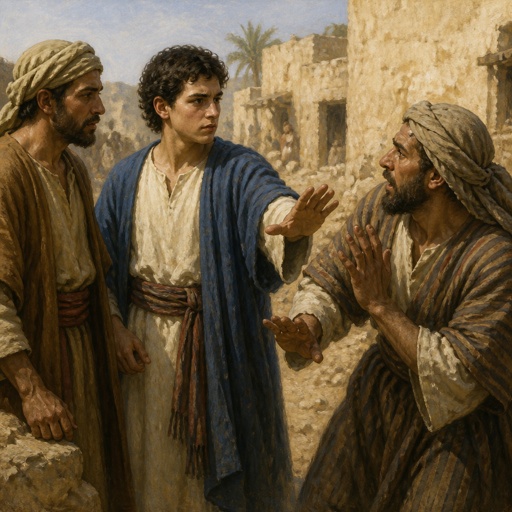
"Wilt thou kill me, as thou diddest the Egyptian yesterday?" - Acts 7:28

Acts 28:12

Acts 28:28 - "Be it known therefore unto you, that the salvation of God is sent unto the Gentiles, and that they will hear it."

Acts 14:28 - "And there they abode long time with the disciples."

Acts 28:12 - "And landing at Syracuse, we tarried there three days."

Acts 9:28 - "And he was with them coming in and going out at Jerusalem."

Acts 28:1 - "And when they were escaped, then they knew that the island was called Melita."

Acts 28:5 - "And he shook off the beast into the fire, and felt no harm."

Acts 8:28 - "Was returning, and sitting in his chariot read Esaias the prophet."

Acts 28:24 - "And some believed the things which were spoken, and some believed not."

Acts 18:28 - "For he mightily convinced the Jews, and that publickly, shewing by the scriptures that Jesus was Christ."

Acts 26:28 - "Then Agrippa said unto Paul, Almost thou persuadest me to be a Christian."

Acts 4:28 - "For to do whatsoever thy hand and thy counsel determined before to be done."

"And there they abode long time with the disciples." - Acts 14:28

Acts 3:6-7

Acts 3:6-7

Acts 3:6-7

Acts 3:6-7

Acts 3:6-7

"Be it known therefore unto you, that the salvation of God is sent unto the Gentiles, and that they will hear it." - Acts 28:28

Acts 16:28 - "But Paul cried with a loud voice, saying, Do thyself no harm: for we are all here."

Acts 13:28 - "And though they found no cause of death in him, yet desired they Pilate that he should be slain."

Acts 19:28 - "And when they heard these sayings, they were full of wrath, and cried out, saying, Great is Diana of the Ephesians."

Acts 28:9 - "So when this was done, others also, which had diseases in the island, came, and were healed:"

Acts 28:29 - "And when he had said these words, the Jews departed, and had great reasoning among themselves."

Acts 14:7 - "And there they preached the gospel."

Acts 15:28 - "For it seemed good to the Holy Ghost, and to us, to lay upon you no greater burden than these necessary things;"