Navigating Through Life's Journey: Lessons from Acts 28:13
"And from thence we fetched a compass, and came to Rhegium: and after one day the south wind blew, and we came the next day to Puteoli:" - Acts 28:13
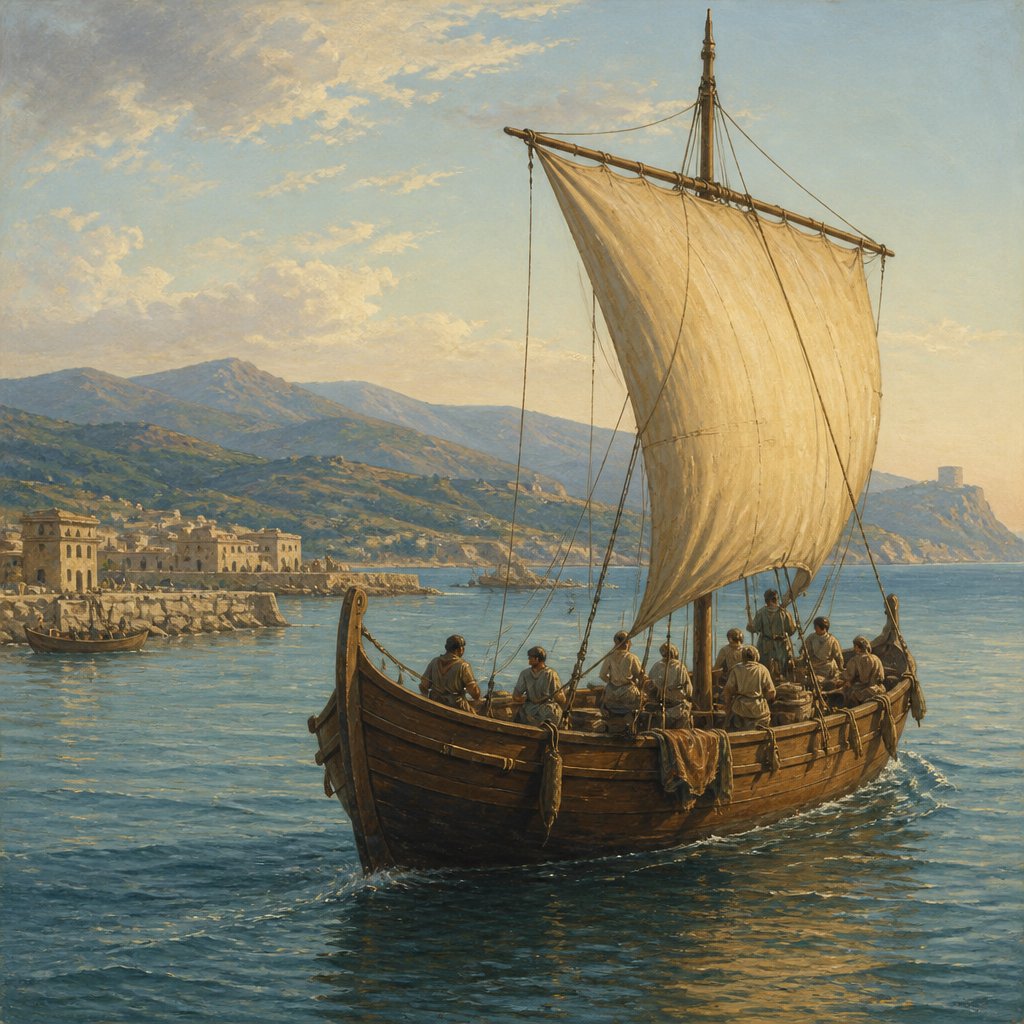
In Acts 28:13, the Apostle Paul, along with his companions, embark on a crucial leg of their journey, which serves as a metaphor for our spiritual expedition as Christians. The verse states: "And from thence we fetched a compass, and came to Rhegium: and after one day the south wind blew, and we came the next day to Puteoli" (KJV). This passage, while seemingly straightforward, unfolds layers of rich spiritual insight when we consider the components of this journey.
First, let’s reflect on the act of fetching a compass. A compass is an indispensable navigational tool that provides direction. In life, we face myriad challenges and decisions that can often leave us feeling lost or disoriented. The compass represents our spiritual guidance—which we find in prayer, the Word of God, and the leading of the Holy Spirit. Just as Paul and his companions depended on their compass to steer them in the right direction, we, too, must rely on the 'spiritual compass' God has provided.
The act of fetching the compass can be interpreted as a call to actively seek God’s direction. This speaks to our need to intentionally open our hearts and minds to the guidance God offers through the Scriptures. Proverbs 3:5-6 (KJV) reassures us, "Trust in the LORD with all thine heart; and lean not unto thine own understanding. In all thy ways acknowledge him, and he shall direct thy paths." When we seek God's guidance, we can confidently navigate our lives even amidst uncertainty.
After fetching the compass, Paul and his companions arrived at Rhegium. Here, we see the importance of stopping points on our journey. Each of us goes through periods in life where we experience transitions; these points are crucial. They allow us to rest, reassess, and prepare for the next leg of our journey. Paul’s experience in Rhegium reflects the necessity of pause and reflection in our lives. In today’s fast-paced world, we often rush from one task to another, neglecting the beauty of stillness. Psalm 46:10 (KJV) invites us to "Be still, and know that I am God." It is in these moments of stillness that God often speaks the loudest.
The next component of the journey is significant as well; the arrival of the south wind. This symbolizes divine favor and timely assistance. Just as the wind facilitated their travel to Puteoli, the Holy Spirit can empower and speed our journeys when we are in step with God’s will. This raises the question: Are we attuned to the winds of the Spirit and open to the guidance that follows? When we align ourselves with God's purpose, we often find that obstacles become opportunities and delays transform into divine appointments.
Puteoli, the final destination in this passage, represents a place of arrival and new beginnings. It stands as a reminder that every journey leads us to new territories, whether in our spiritual walk or life circumstances. In our walk with Christ, each destination has its purpose in our growth and understanding of God's broader plan for our lives. We might think of Puteoli as a space of fellowship, hope, and new purpose as it was known for its vibrant community and trade.
In conclusion, Acts 28:13 encourages us to seek guidance as we navigate life’s journey, to recognize the importance of pauses, and to remain open to the direction of the Holy Spirit. As we traverse our unique paths, let us fetch our compass from God's Word, settle in the Rhegiums of our lives for reflection, and embrace the Puteolis that await us. With God’s guidance, we are equipped to face every challenge and embrace every opportunity for growth.
Want to reflect more on Acts 28:13?
Continue your spiritual journey with Bible Chat — an AI-powered tool for exploring God's Word through conversation. Ask questions, discover connections, and deepen your understanding.
Get Our Apps


Acts 28:13 Artwork

Acts 28:13 - "And from thence we fetched a compass, and came to Rhegium: and after one day the south wind blew, and we came the next day to Puteoli:"

"And from thence we fetched a compass, and came to Rhegium: and after one day the south wind blew, and we came the next day to Puteoli:" - Acts 28:13

Acts 13:28 - "And though they found no cause of death in him, yet desired they Pilate that he should be slain."

"And though they found no cause of death in him, yet desired they Pilate that he should be slain." - Acts 13:28

Acts 28:12

Acts 28:28 - "Be it known therefore unto you, that the salvation of God is sent unto the Gentiles, and that they will hear it."

Acts 14:28 - "And there they abode long time with the disciples."

Acts 28:12 - "And landing at Syracuse, we tarried there three days."

Acts 9:28 - "And he was with them coming in and going out at Jerusalem."

Acts 28:1 - "And when they were escaped, then they knew that the island was called Melita."

Acts 28:5 - "And he shook off the beast into the fire, and felt no harm."

Acts 8:28 - "Was returning, and sitting in his chariot read Esaias the prophet."

Genesis 28-13

Ezekiel 28:13

Acts 28:24 - "And some believed the things which were spoken, and some believed not."

Acts 7:28 - "Wilt thou kill me, as thou diddest the Egyptian yesterday?"

Acts 18:28 - "For he mightily convinced the Jews, and that publickly, shewing by the scriptures that Jesus was Christ."

Acts 26:28 - "Then Agrippa said unto Paul, Almost thou persuadest me to be a Christian."

Acts 4:28 - "For to do whatsoever thy hand and thy counsel determined before to be done."

Acts 13:43

"And there they abode long time with the disciples." - Acts 14:28

Mark 13:28-37

Mark 13:28-37

"Be it known therefore unto you, that the salvation of God is sent unto the Gentiles, and that they will hear it." - Acts 28:28

Mark 13:28-37

luke 13:28-37

Luke 13:28-27

Luke 13:28-27

Luke 13:28-27

Mark 13:28-37