Trusting the Divine Timeline
"And he said unto them, It is not for you to know the times or the seasons, which the Father hath put in his own power." - Acts 1:7
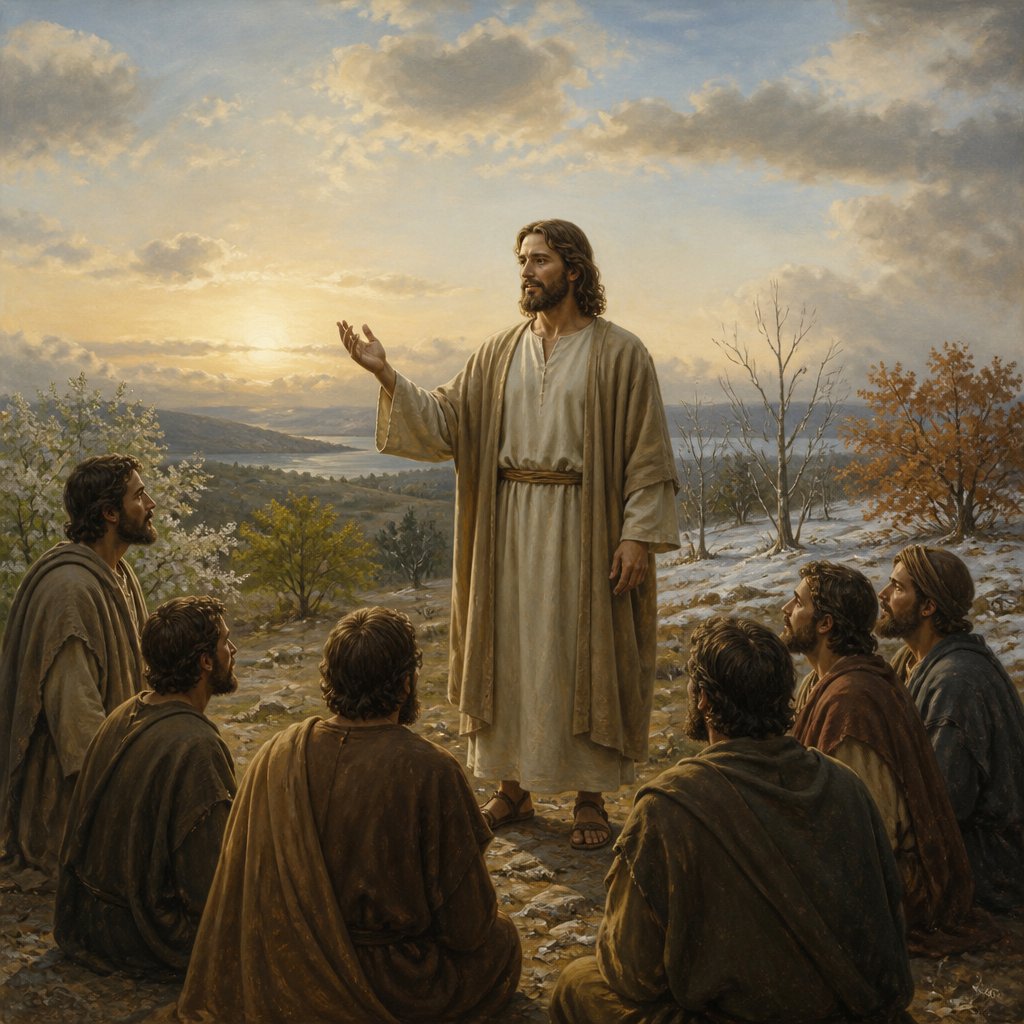
In Acts 1:7, the scripture states, "And he said unto them, It is not for you to know the times or the seasons, which the Father hath put in his own power." This profound statement was made by Jesus to His disciples shortly before His ascension into heaven. At this critical moment, the disciples, filled with questions about the future, inquired about the restoration of the Kingdom of Israel. Their curiosity was palpable—a longing for clarity about what lay ahead.
In response, Jesus redirected their focus away from the timing of God's plans toward a deeper understanding of His sovereignty and the work that lay immediately before them. This passage offers rich insights into our quest for knowledge about the future and the importance of trust in God’s timing.
**The Question of Timing**
Many of us have found ourselves in the disciples' position, grappling with questions about our future. Whether it’s concerning our jobs, relationships, or personal aspirations, the desire to know what lies ahead can weigh heavily on our hearts. Like the disciples, we often want to grasp the timing and the specifics of God’s plans. However, Jesus reminds us that it is in God’s hands: the timing and the seasons are enveloped in His wisdom and authority.
This can be a hard pill to swallow, as it confronts our desire for control and understanding. Yet, it is vital to recognize that God's perspective far exceeds our limited human views. When He says, "It is not for you to know," it is an invitation to release our tight grip on understanding and to embrace a posture of trust. The timing of His providence is perfect, and often beyond what we can conceive.
**The Power of Divine Authority**
The phrase "which the Father hath put in his own power" emphasizes divine sovereignty. It is a reminder that God operates on a level of understanding and authority that is beyond our own. Our finite minds often struggle with the infinite wisdom of God, yet this should not lead to despair. Instead, it should be a source of comfort, knowing that the God who is sovereign over all is also intimately involved in our lives.
Trusting God’s timetable means embracing the uncertainties of life. It is easy to celebrate in times of clarity and certainty; however, it is in the moments of waiting and ambiguity that our faith is most profoundly tested and strengthened. In these times, we are called to remember God’s faithfulness in the past. Reflecting on how He has guided us before can furnish the courage we need to rely on Him again.
Moreover, God's authority over time and seasons serves a specific purpose. Each season we experience, whether joyous or painful, has the potential to mold us into who we are meant to be. The Apostle Paul highlights this in Philippians 1:6, saying, "Being confident of this very thing, that he which hath begun a good work in you will perform it until the day of Jesus Christ." Just as seasons change, so does our spiritual growth, often in unexpected ways.
**Response in Faith**
So how do we respond to this truth? First, we must cultivate trust. This means leaning into our relationship with God through prayer, knowing that while we may not know the specifics of His plans, we can know His heart and His character. Engaging with scripture, participating in fellowship, and seeking the Holy Spirit’s guidance are essential practices that encourage our trust in His timing.
Second, we must live in the present. While it’s human to wonder about the future, we are called to focus on what we can do today. What opportunities for service, love, and witness exists in our current season? Acts 1 illustrates that the disciples were given a mission even as they waited. They were to be His witnesses to the ends of the earth. In the same way, we must live our lives fully present, engaged with the here and now while trusting God with our tomorrows.
In conclusion, let us remember Acts 1:7 not as a dismissive statement, but as a profound truth of God’s sovereignty. Instead of fixating on the unknown, let us anchor ourselves in the One who holds the future. He knows the times and seasons perfectly, allowing us to trust His divine timing in peace and obedience.
Want to reflect more on Acts 1:7?
Continue your spiritual journey with Bible Chat — an AI-powered tool for exploring God's Word through conversation. Ask questions, discover connections, and deepen your understanding.
Get Our Apps


Acts 1:7 Artwork

Acts 1:7 - "And he said unto them, It is not for you to know the times or the seasons, which the Father hath put in his own power."

"And he said unto them, It is not for you to know the times or the seasons, which the Father hath put in his own power." - Acts 1:7

Acts 7:1 - "Then said the high priest, Are these things so?"
"Then said the high priest, Are these things so?" - Acts 7:1

1 Kings 15:7 - "Now the rest of the acts of Abijam, and all that he did, are they not written in the book of the chronicles of the kings of Judah? And there was war between Abijam and Jeroboam."

Acts 3:6-7

Acts 3:6-7

Acts 3:6-7

Acts 3:6-7

Acts 3:6-7

1 Samuel 12:7 - "Now therefore stand still, that I may reason with you before the LORD of all the righteous acts of the LORD, which he did to you and to your fathers."

Acts 14:7 - "And there they preached the gospel."

acts 20:7-12

Acts 7:47 - "But Solomon built him an house."

Acts 19:7 - "And all the men were about twelve."

"And there they preached the gospel." - Acts 14:7

Acts 7:50 - "Hath not my hand made all these things?"

Acts 7:7 - "And the nation to whom they shall be in bondage will I judge, said God: and after that shall they come forth, and serve me in this place."

Acts 7:18 - "Till another king arose, which knew not Joseph."

Acts 7:53 - "Who have received the law by the disposition of angels, and have not kept it."

Acts 7:9 - "And the patriarchs, moved with envy, sold Joseph into Egypt: but God was with him,"

Acts 7:22 - "And Moses was learned in all the wisdom of the Egyptians, and was mighty in words and in deeds."

Acts 7:28 - "Wilt thou kill me, as thou diddest the Egyptian yesterday?"

Acts 7:54 - "¶ When they heard these things, they were cut to the heart, and they gnashed on him with their teeth."

Acts 7:48 - "Howbeit the most High dwelleth not in temples made with hands; as saith the prophet,"

Acts 7:15 - "So Jacob went down into Egypt, and died, he, and our fathers,"

"But Solomon built him an house." - Acts 7:47

Acts 7:55-56 – "Stephen, full of the Holy Spirit, looked up to heaven and saw the glory of God."

Acts 7:55-56 – "Stephen, full of the Holy Spirit, looked up to heaven and saw the glory of God."

Acts 16:7 - "After they were come to Mysia, they assayed to go into Bithynia: but the Spirit suffered them not."