The Necessity of Suffering: Understanding Christ's Redemptive Work
"Opening and alleging, that Christ must needs have suffered, and risen again from the dead; and that this Jesus, whom I preach unto you, is Christ." - Acts 17:3
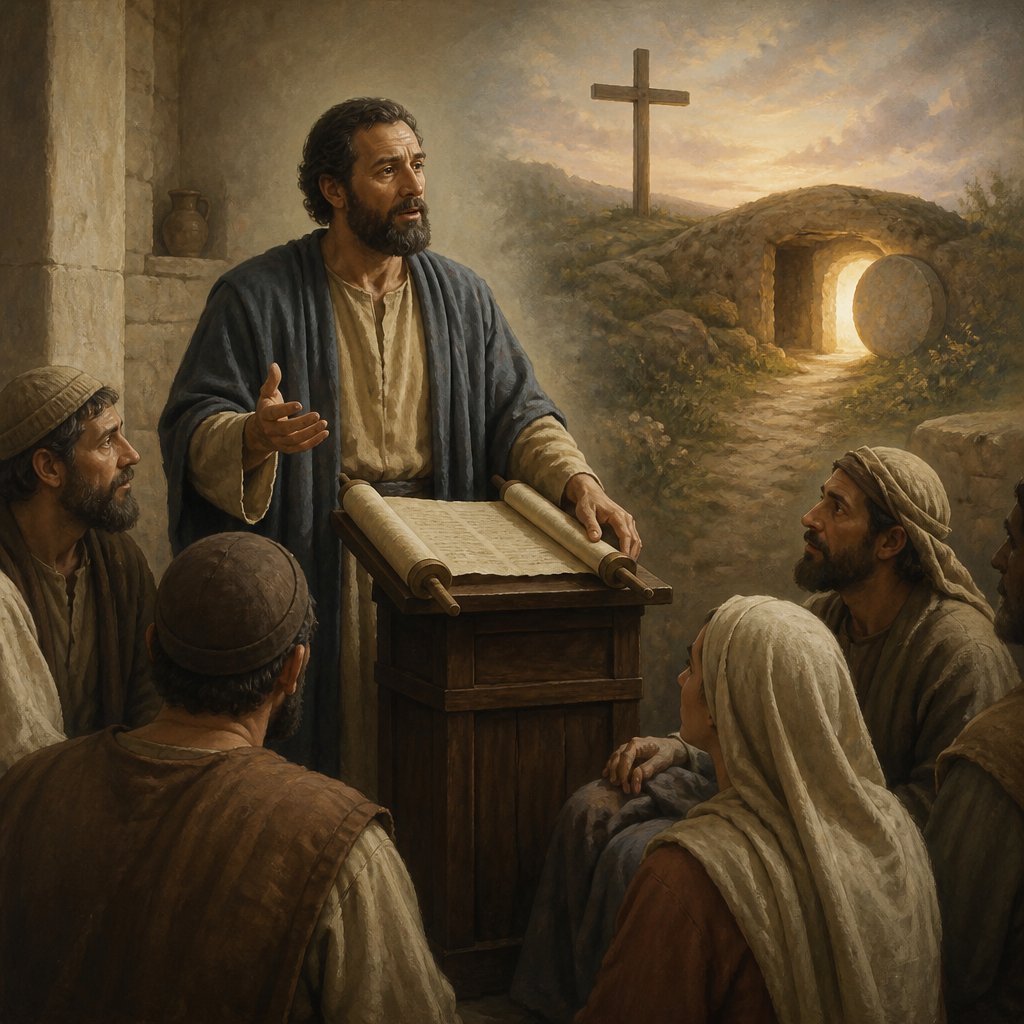
In Acts 17:3, we find a profound declaration made by the Apostle Paul during his time in Thessalonica: "Opening and alleging, that Christ must needs have suffered, and risen again from the dead; and that this Jesus, whom I preach unto you, is Christ." This verse is rich with theological significance and serves as a critical reflection on the essence of the Christian faith.
The phrase "must needs have suffered" encapsulates the necessity of Christ's suffering in God's plan for redemption. To truly grasp this statement, we must consider the weighty implications of Christ's suffering and the resurrection that follows. Without His suffering, the message of salvation loses its depth and significance.
Historically, suffering is often seen as an enemy. One might equate suffering with loss, pain, and sorrow, viewing it as something to be avoided at all costs. Society generally promotes the idea that happiness and fulfillment come from the absence of suffering. However, the Gospel radically flips this perspective on its head. Here, Paul stresses that Christ *must* suffer. This suffering is not merely a tragic event but is embedded in the divine blueprint of salvation. The necessity implies that it was an intentional act required by God’s justice and a means for us to understand His love.
To understand this, we must go back to the prophecies of Scripture. Isaiah 53 paints a vivid picture of the Suffering Servant, a clear foretelling of Christ. In verses like Isaiah 53:5, we read, "But he was wounded for our transgressions, he was bruised for our iniquities: the chastisement of our peace was upon him; and with his stripes we are healed." The suffering of Christ was predetermined; it was part of God’s redemptive narrative. His willingness to endure pain and shame illustrates an unwavering commitment to restoring humanity's relationship with the Father.
Next, consider the phrase "and risen again from the dead." This transition from suffering to resurrection is pivotal in the Christian doctrine. The resurrection of Christ is the cornerstone of our faith. It represents victory over sin and death. Paul’s preaching emphasizes that while the suffering was necessary, it did not end in defeat. Resurrection signifies hope; it's the assurance that through Christ, we too can experience new life. It is the promise that our sufferings have purpose and will ultimately lead to glory.
In our lives today, we may encounter periods of suffering that seem insurmountable. Whether it's physical ailment, emotional distress, loss, or hardship, these trials can test our faith. However, as believers, we can take comfort in knowing that our Savior has experienced suffering as we have. He understands our pain, and through His experience, we see that suffering is not the end but often a necessary part of the journey toward spiritual growth and deeper intimacy with God.
Moreover, Paul’s declaration to the Thessalonians that "this Jesus, whom I preach unto you, is Christ" reiterates the identity of Jesus as the Messiah. He wasn’t just a martyr; He was the anointed One destined to save the world—a title that carries weightier implications than we might rush to comprehend. Understanding Jesus as the Christ demands a response. It calls us to align our lives with His teachings and to carry forward the message of the Gospel, which encompasses the reality of both Christ's suffering and the glorious hope of His resurrection.
In conclusion, Acts 17:3 is a powerful reminder of the foundation of our faith. It teaches us that suffering is not an end but rather part of a divine journey toward redemption and resurrection. Let us approach our own suffering with the knowledge that it is not in vain; it serves a purpose within God's grand narrative. With each challenge, we grow closer to understanding the depth of our Savior’s sacrifice and the beauty of the promise He extends to us: new life—now and in eternity.
Want to reflect more on Acts 17:3?
Continue your spiritual journey with Bible Chat — an AI-powered tool for exploring God's Word through conversation. Ask questions, discover connections, and deepen your understanding.
Get Our Apps


Acts 17:3 Artwork

Acts 17:3 - "Opening and alleging, that Christ must needs have suffered, and risen again from the dead; and that this Jesus, whom I preach unto you, is Christ." respectful, symbolic bible verse art
"Opening and alleging, that Christ must needs have suffered, and risen again from the dead; and that this Jesus, whom I preach unto you, is Christ." - Acts 17:3

Acts 3:17 - "And now, brethren, I wot that through ignorance ye did it, as did also your rulers."

Acts 2:17

Acts 2:17

Acts 2:17

Acts 16:17

Acts 17:15

Acts 14:17
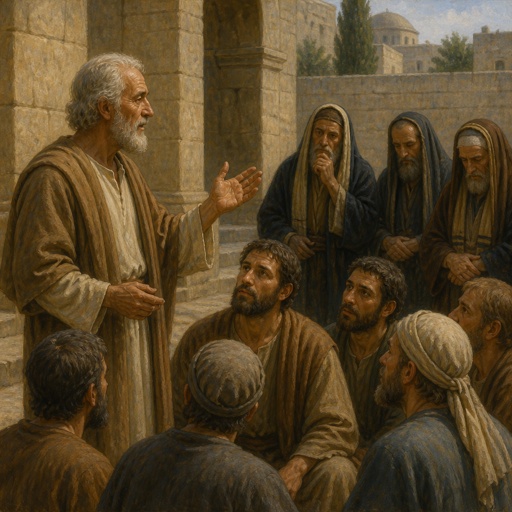
"And now, brethren, I wot that through ignorance ye did it, as did also your rulers." - Acts 3:17

Acts 17:27

Acts 17:2-3 - "As was his custom, Paul went into the synagogue, and on three Sabbath days he reasoned with them from the Scriptures, explaining and proving that the Messiah had to suffer and rise from the dead. "This Jesus I am proclaiming to you is the Messiah," he said."

Acts 17:17 - "Therefore disputed he in the synagogue with the Jews, and with the devout persons, and in the market daily with them that met with him."

Acts 3:16

Acts 3:16

Acts 3:16

Acts 3:16

Acts 17:33 - "So Paul departed from among them."

Acts 8:17 - "Then laid they their hands on them, and they received the Holy Ghost."

Acts 3:6-7

Acts 3:6-7

Acts 3:6-7

Acts 3:6-7

Acts 3:6-7

Acts 17:8 - "And they troubled the people and the rulers of the city, when they heard these things."

Acts 1:17 - "For he was numbered with us, and had obtained part of this ministry."

create an image to show Acts 2:17

Depict the events of Acts 19:14-17

acts 3 11

Acts 2;2-3