Witnesses of His Resurrection: A Call to Faithful Testimony
"40 Him God raised up the third day, and shewed him openly; 41 Not to all the people, but unto witnesses chosen before of God, even to us, who did eat and drink with him after he rose from the dead." - Acts 10:40-41
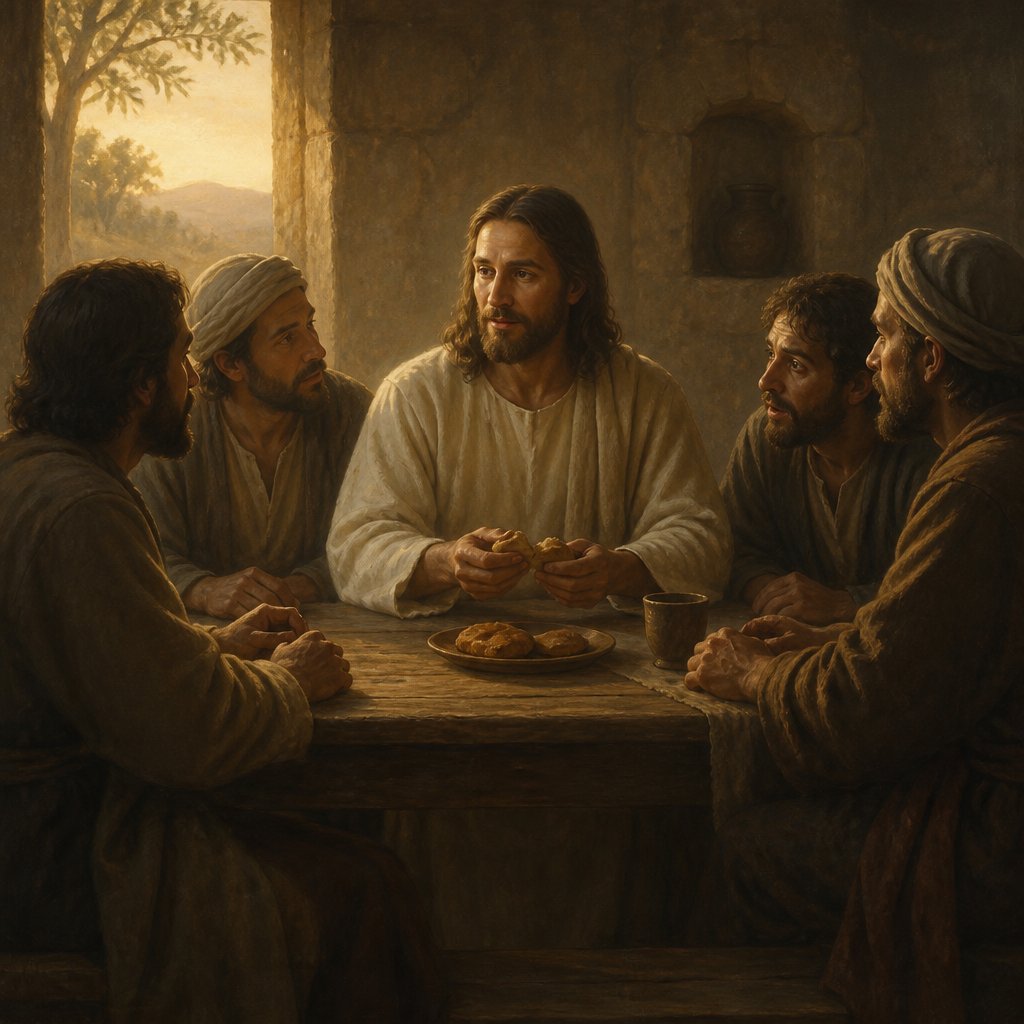
In the book of Acts, we find Peter proclaiming the glorious truth of Jesus Christ's resurrection. Acts 10:40-41 states, "Him God raised up the third day, and shewed him openly; Not to all the people, but unto witnesses chosen before of God, even to us, who did eat and drink with him after he rose from the dead." These verses encapsulate an unparalleled moment in history, where the once-enshrouded reality of death has been shattered by the glorious resurrection of Christ.
The phrase "Him God raised up the third day" serves as a powerful affirmation of divine authority and power. It emphasizes that Jesus did not merely come back to life by chance, but was raised by God Himself, fulfilling the prophecies and promises made throughout the Old Testament. This act is the cornerstone of our Christian faith, making clear that what was perceived as an end—Jesus on the cross—was, in fact, the beginning of new life, hope, and redemption for all humanity. The resurrection not only affirms Christ's divinity but also assures us of our own eternal hope. As Paul states in 1 Corinthians 15:20, "But now is Christ risen from the dead, and become the firstfruits of them that slept."
The specificity of the witnesses chosen by God underscores a profound truth about the nature of testimony and belief. The message of resurrection was not disseminated to the masses at once. Instead, God meticulously selected witnesses—those who had a direct relationship with Jesus, who had shared meals with Him, and who had experienced life in His presence (as Peter notes in verse 41). This notion of personal testimony is critical; it suggests that a relationship with Christ and witness to His resurrection entails not only the acknowledgement of an event but also a transformation of life that arises from that relationship. We are called to share not merely facts about Christ, but our experiences of His love, forgiveness, and power in our lives.
Furthermore, the phrase "who did eat and drink with him after he rose from the dead" invites us into a deeper understanding of intimacy with the risen Christ. The act of eating and drinking carries connotations of fellowship and communion, offering a profound image of unity and belonging. It implies that the resurrected Jesus was not distant or detached from his followers; He engaged with them in the ordinary yet sacred moments of life. This is a call to us—an invitation to engage in fellowship with God. Engaging with Christ daily, in prayer, scripture, and through community, allows us to cultivate a relationship similar to that of the early disciples. It fosters an intimate understanding that shapes our gospel witness.
The exclusivity of the chosen witnesses in this passage has implications for how we advance the gospel. God has called each of us, like the apostles, to be witnesses of His resurrection. Just as Peter and the early church bore testimony to what they had seen and experienced, so too are we called to be active participants in sharing the good news of Jesus Christ in our own communities. It's our responsibility to share the transformative impact of His death and resurrection in our lives—how He has taken our guilt, shame, and despair and exchanged it for freedom, hope, and joy.
In our busy lives, we often take for granted the weight of the resurrection. Yet it is through our remembrance and testimony that we fulfill our calling as witnesses of His glory. Let us lean into the reality of the resurrection, allowing it to stir within our hearts a sense of urgency, an eagerness to testify to others what we personally have seen and known. May our lives reflect the truth that Christ is alive, and as we partake in fellowship with Him, may we actively share that truth with the world around us.
Want to reflect more on Acts 10:40-41?
Continue your spiritual journey with Bible Chat — an AI-powered tool for exploring God's Word through conversation. Ask questions, discover connections, and deepen your understanding.
Get Our Apps


Acts 10:40-41 Artwork
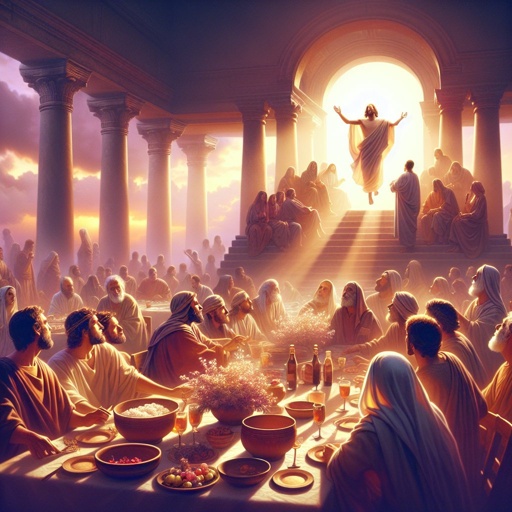
Acts 10:40-41 - "God raised him from the dead on the third day and caused him to be seen. He was not seen by all the people, but by witnesses whom God had already chosen—by us who ate and drank with him after he rose from the dead."
"God raised him from the dead on the third day and caused him to be seen. He was not seen by all the people, but by witnesses whom God had already chosen—by us who ate and drank with him after he rose from the dead." - Acts 10:40-41

Acts 10:40 - "Him God raised up the third day, and shewed him openly;"
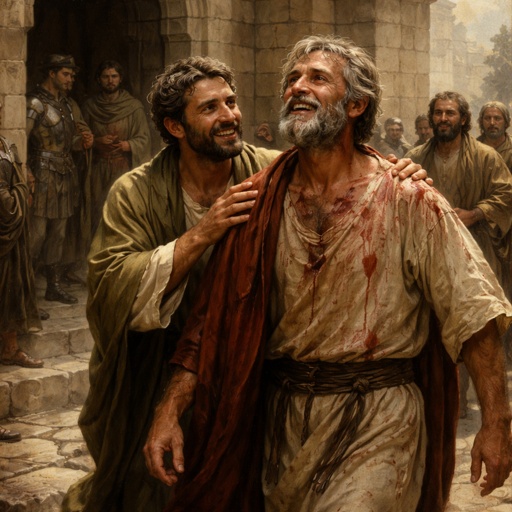
Acts 5:40-41 the Sanhedrin ordered the disciples flogged. The picture should be after the flogging when Peter is leaving the Sanhedrin rejoicing because he is worthy of suffer for Jesus
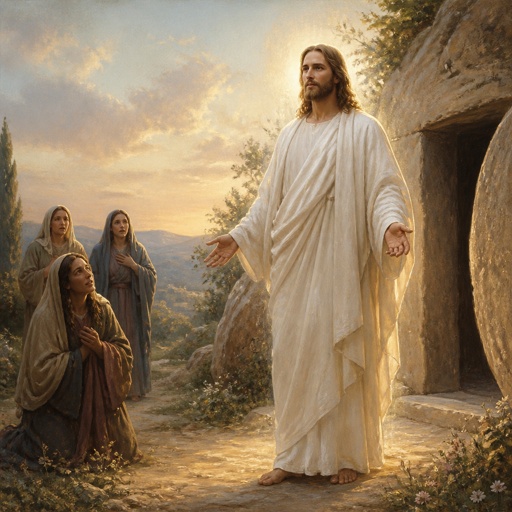
"Him God raised up the third day, and shewed him openly;" - Acts 10:40
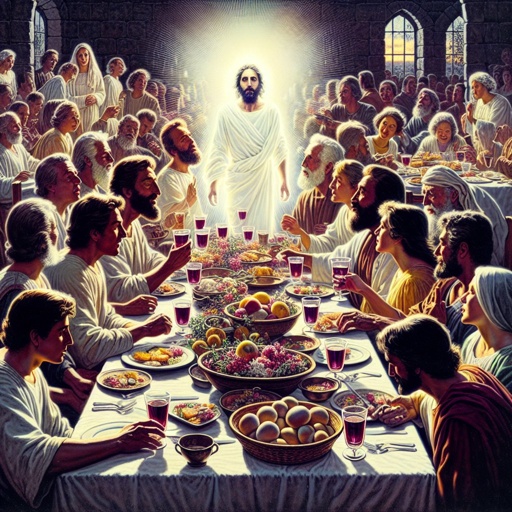
Acts 10:41 - "Not to all the people, but unto witnesses chosen before of God, even to us, who did eat and drink with him after he rose from the dead."

Acts 2:41

Acts 10:39-40 - "And we are witnesses of all things which he did both in the land of the Jews, and in Jerusalem; whom they slew and hanged on a tree: Him God raised up the third day, and shewed him openly."

Acts 2:41-42

Acts 2:41-42

Acts 2:41-42

Acts 2:41-42

Acts 2:41-42

Acts 2:41-42

Acts 2:41-42

Acts 2:41-42

Acts 2:41-42

Acts 2:41-42

Acts 2:41-42

Acts 2:41-42

Acts 2:41-42

Acts 2:41-42

Acts 2:41-42

Acts 2:41-42

Acts 2:41-42

Acts 2:41-42

Acts 2:41-42

Acts 2:41-42

Acts 2:41-42

Acts 2:38-41