God's Inclusive Grace: Understanding Acts 10:34-35
"``` 34 Then Peter opened his mouth, and said, Of a truth I perceive that God is no respecter of persons: 35 But in every nation he that feareth him, and worketh righteousness, is accepted with him. ```" - Acts 10:34-35
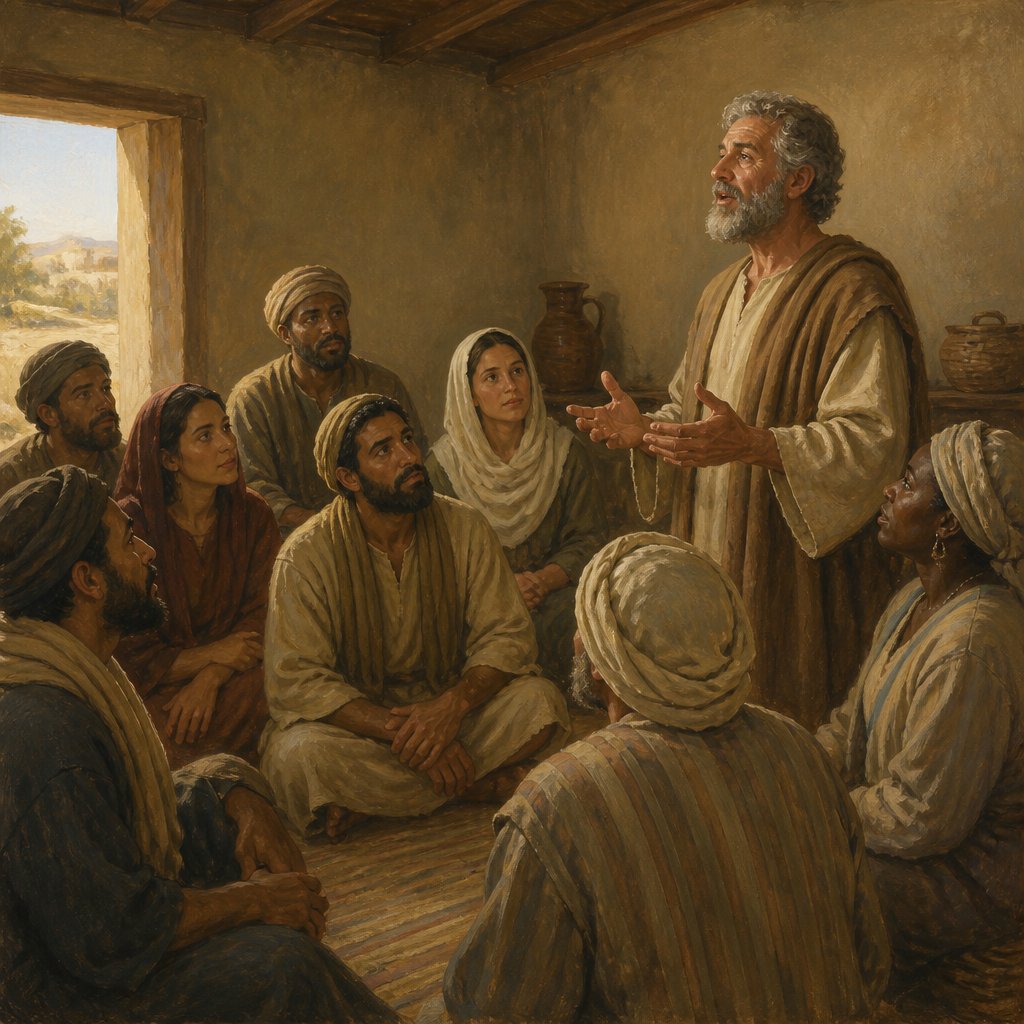
The book of Acts serves as a crucial narrative in the unfolding mission of the early church, showcasing the transition from a predominantly Jewish context to a universal faith that embraces all nations. Acts 10:34-35 reveals a profound declaration made by Peter as he realizes the expansive and inclusive nature of God’s love and salvation. The passages state, "34 Then Peter opened his mouth, and said, Of a truth I perceive that God is no respecter of persons: 35 But in every nation he that feareth him, and worketh righteousness, is accepted with him."
In this pivotal moment, we find Peter contemplating the implications of the gospel of Jesus Christ beyond the confines of ethnicity and tradition. God had meticulously prepared him for a revelation that would shatter the preconceived boundaries of Jewish exclusivity. Through a vision involving unclean animals, God taught Peter that what He has made clean cannot be deemed unclean. This deep and transformative understanding led Peter to Cornelius, a Gentile—a centurion devoted to God, who sought truth and piety despite societal prejudices.
Peter's bold declaration, "Of a truth I perceive that God is no respecter of persons," emphasizes a critical theological truth: God’s grace is not confined to a particular group of people. He does not favor one national, racial, or social group over another. This principle is vital for believers today. It calls us to examine our perspectives and biases. How often do we unknowingly view others through the lens of societal norms, creating barriers that God never intended?
In the world today—marked by division and strife—this verse is a clear reminder of our calling to reach beyond our immediate circles. God’s acceptance is extended to every nation: "But in every nation he that feareth him, and worketh righteousness, is accepted with him." This acceptance is not based on nationality, upbringing, or past mistakes but on the condition of the heart that fears Him and seeks righteousness.
Fear of God is not a paralyzing dread but rather a profound respect and reverence for His holiness and justice. To fear God is to recognize His sovereignty and to strive to align our lives according to His character. It is about cultivating a relationship that acknowledges His authority and loves Him for His mercy. This fear leads to actions—working righteousness. We are called to act justly, to love mercy, and to walk humbly with our God (Micah 6:8).
As believers, are we actively seeking to reflect God's will in our lives, influencing our relationships and communities? Do we embody the acceptance and inclusiveness that God embodies? In a climate that often promotes exclusion and division, we must be the voice that echoes God's love across cultural and societal divides, extending His grace unconditionally.
This passage invites us to embrace individuals outside our comfort zones, those who might be shunned or viewed through prejudiced lenses. It instills in us the understanding that every individual is made in the image of God and has intrinsic value. When we work righteousness—serving others, standing up for justice, and declaring the good news—we reveal God’s heart to a world desperate for acceptance and truth.
Reflect on your own life: Who do you regard as 'the other'? How might God be calling you to reach out in love, breaking down barriers? Let your actions embody the message of Acts 10:34-35, recognizing that our God sees beyond our distinctions and desires all to come to the knowledge of Him.
In conclusion, let us walk in the light of this revelation. As we fear God and pursue righteousness, may we be confident that we are accepted by Him, and let that acceptance galvanize us to share His boundless grace with all who cross our paths.
Want to reflect more on Acts 10:34-35?
Continue your spiritual journey with Bible Chat — an AI-powered tool for exploring God's Word through conversation. Ask questions, discover connections, and deepen your understanding.
Get Our Apps


Acts 10:34-35 Artwork

Acts 10:34-35 - "Then Peter began to speak: “I now realize how true it is that God does not show favoritism but accepts from every nation the one who fears him and does what is right."
"Then Peter began to speak: “I now realize how true it is that God does not show favoritism but accepts from every nation the one who fears him and does what is right." - Acts 10:34-35

Acts 10:35 - "But in every nation he that feareth him, and worketh righteousness, is accepted with him."

Acts 10:34 - "¶ Then Peter opened his mouth, and said, Of a truth I perceive that God is no respecter of persons:"

2 Kings 10:34 - "Now the rest of the acts of Jehu, and all that he did, and all his might, are they not written in the book of the chronicles of the kings of Israel?"

"But in every nation he that feareth him, and worketh righteousness, is accepted with him." - Acts 10:35

Lucas 20:34-35

1 Samuel 17:34-35
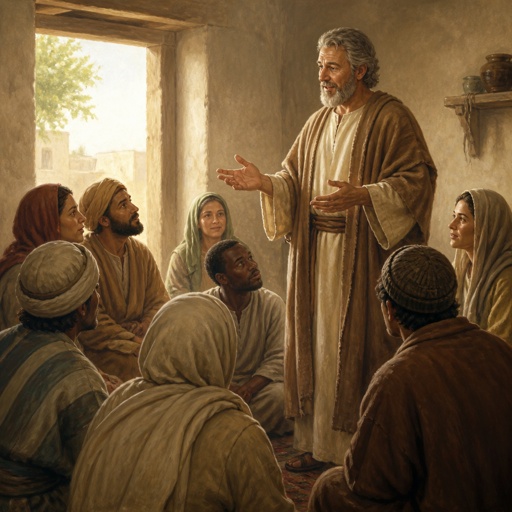
"¶ Then Peter opened his mouth, and said, Of a truth I perceive that God is no respecter of persons:" - Acts 10:34

Acts 20:34-35 - "Ye yourselves know, that these hands have ministered unto my necessities, and to them that were with me. I have shewed you all things, how that so labouring ye ought to support the weak, and to remember the words of the Lord Jesus, how he said, It is more blessed to give than to receive."

Job 34:35 - "Job hath spoken without knowledge, and his words were without wisdom."

Acts 2:35 - "Until I make thy foes thy footstool."

Acts 15:34 - "Notwithstanding it pleased Silas to abide there still."

Acts 9:35 - "And all that dwelt at Lydda and Saron saw him, and turned to the Lord."
Exodus 35:34 - "And he hath put in his heart that he may teach, both he, and Aholiab, the son of Ahisamach, of the tribe of Dan."

Acts 16:35 - "And when it was day, the magistrates sent the serjeants, saying, Let those men go."

Numbers 35:34 - "Defile not therefore the land which ye shall inhabit, wherein I dwell: for I the LORD dwell among the children of Israel."

"Now the rest of the acts of Jehu, and all that he did, and all his might, are they not written in the book of the chronicles of the kings of Israel?" - 2 Kings 10:34

2 Chronicles 35:10

Mark 10:35-45

Mark 10:35-45

Acts 8:35 - "Then Philip opened his mouth, and began at the same scripture, and preached unto him Jesus."

Ezra 10:35 - "Benaiah, Bedeiah, Chelluh,"

Mark 10:35-45

Mark 10:35-45

Acts 21:35 - "And when he came upon the stairs, so it was, that he was borne of the soldiers for the violence of the people."

Acts 15:35 - "Paul also and Barnabas continued in Antioch, teaching and preaching the word of the Lord, with many others also."

2 Chronicles 35:26 - "Now the rest of the acts of Josiah, and his goodness, according to that which was written in the law of the LORD,"

"Notwithstanding it pleased Silas to abide there still." - Acts 15:34

Acts 13:35 - "Wherefore he saith also in another psalm, Thou shalt not suffer thine Holy One to see corruption."