A Legacy of Love: The Importance of Prayer in Our Heritage
"I thank God, whom I serve from my forefathers with pure conscience, that without ceasing I have remembrance of thee in my prayers night and day;" - 2 Timothy 1:3
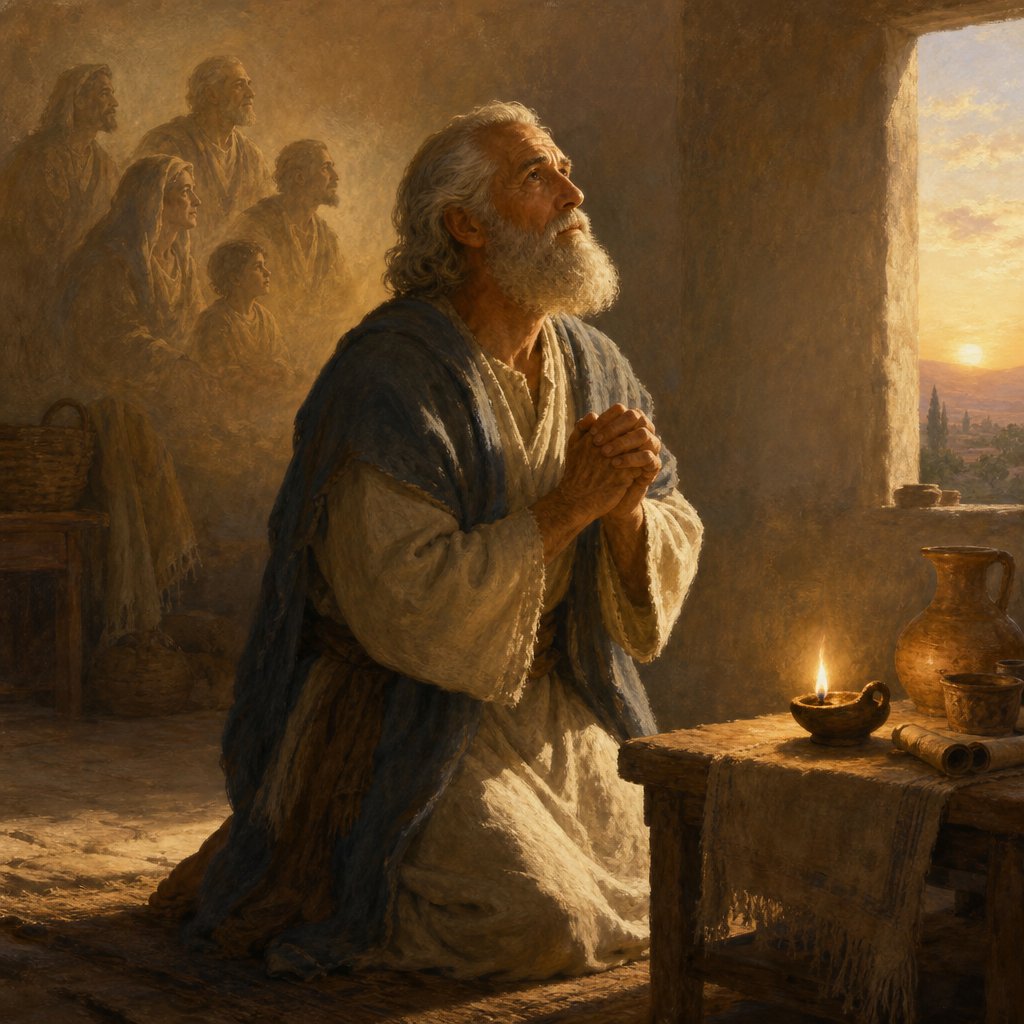
In 2 Timothy 1:3, Paul expresses a profound gratitude to God: "I thank God, whom I serve from my forefathers with pure conscience, that without ceasing I have remembrance of thee in my prayers night and day." This passage reveals not just Paul’s relationship with the Divine but also an encouragement to us about the power of prayer and the groundwork of faith laid by those who came before us.
Paul’s acknowledgment of his “forefathers” highlights the significance of our spiritual heritage. He was part of a lineage that fostered a deep love and service to God, and he recognizes the sanctity of this connection. As we ponder on our own spiritual legacy, we must ask ourselves: What do we inherit from our spiritual forebearers? Is it a relentless pursuit of God? A dedication to prayer? A steadfast faith? Each generation comes with its own set of challenges and blessings, but the essence of faith should always be passed down. By meditating on our spiritual roots, we can better appreciate the impact those before us have had on our present walk with God.
Paul’s expression of a “pure conscience” emphasizes the integrity with which he serves. Serving God with a pure heart means striving for sincerity in our prayers and actions. It invokes the idea that our prayers should stem from a genuine place where we seek not just to ask for things but to align ourselves with His will. As we pray, we must reflect on our motives and strive to ensure they are pure. In a world filled with distractions and competing values, maintaining a pure conscience in our service to God can be challenging but is necessary for authentic faith. When we serve with a sincere heart, we not only build our relationship with the Lord but also influence those around us in profound ways.
Paul’s declaration of “without ceasing” underscores the unyielding nature of his prayers. This doesn’t suggest he was always on his knees, but rather captures an enduring attitude of prayerfulness. It invites us into a lifestyle of prayer—one that sees God in every moment of our lives, not just in our designated prayer times. When we approach God continually and dedicate our thoughts to Him, we cultivate a spirit of awareness of His presence. This expectation of communion with God allows us to bring everything before Him—from our needs and struggles to our joys and praises.
Moreover, Paul specifically mentions remembering Timothy in his prayers “night and day.” This reflects not only his deep care for Timothy but also serves as a reminder of the vital role accountability and support play in our Christian communities. We are called to remember one another in prayer. It fosters a sense of belonging and communal faith—a reminder that we are not alone in our journeys. l
In a practical sense, how can we adopt Paul’s fervent prayer life? Perhaps it’s setting aside specific times throughout the day to pray for those we care about. Maybe it’s keeping a prayer journal to jot down names, needs, and the miraculous ways that God has responded. Or it could involve reaching out to friends and family to ask how we can pray for them, creating an environment where prayer becomes an integral part of our interactions.
Ultimately, Paul’s message in this verse is a call to action that reverberates through generations. It beckons us to acknowledge our spiritual heritage while emphasizing a relentless pursuit of prayer with pure intentions. As we engage in prayer, let’s remember to cultivate a community of faith that stands firm together, echoing Paul’s commitment to pray night and day, extending our love through intercession.
Want to reflect more on 2 Timothy 1:3?
Continue your spiritual journey with Bible Chat — an AI-powered tool for exploring God's Word through conversation. Ask questions, discover connections, and deepen your understanding.
Get Our Apps


2 Timothy 1:3 Artwork
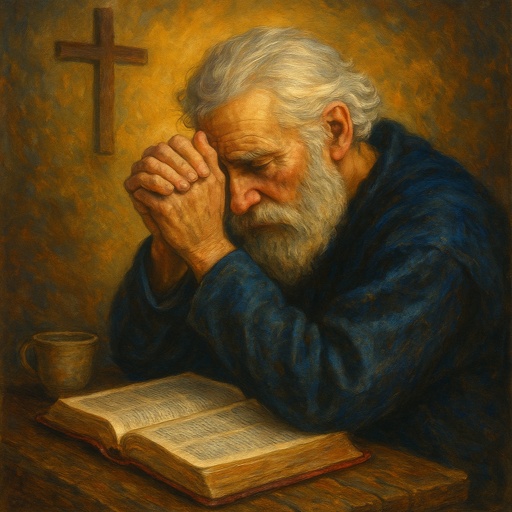
"I thank God, whom I serve from my forefathers with pure conscience, that without ceasing I have remembrance of thee in my prayers night and day;" - 2 Timothy 1:3

2 Timothy 1:3 - "I thank God, whom I serve from my forefathers with pure conscience, that without ceasing I have remembrance of thee in my prayers night and day;"

2 Timothy 1:3-4 - "I thank God, whom I serve, as my ancestors did, with a clear conscience, as night and day I constantly remember you in my prayers. Recalling your tears, I long to see you, so that I may be filled with joy."
"I thank God, whom I serve from my forefathers with pure conscience, that without ceasing I have remembrance of thee in my prayers night and day;" - 2 Timothy 1:3

"I thank God, whom I serve, as my ancestors did, with a clear conscience, as night and day I constantly remember you in my prayers. Recalling your tears, I long to see you, so that I may be filled with joy." - 2 Timothy 1:3-4

1 Timothy 2:3 - "For this is good and acceptable in the sight of God our Saviour;"

2 Timothy 3:1 - "This know also, that in the last days perilous times shall come."

1 Timothy 3:2 - "A bishop then must be blameless, the husband of one wife, vigilant, sober, of good behaviour, given to hospitality, apt to teach;"

"For this is good and acceptable in the sight of God our Saviour;" - 1 Timothy 2:3

2 Timothy 3:16

2 Timothy 1:7

2 Timothy 1:7

2 Timothy 1:7

2 Timothy 1:7

2 Timothy 1:7

2 Timothy 1:7

2 Timothy 1:7

2 Timothy 1:7

2 Timothy 1:7

2 Timothy 1:7

2 Timothy 1:7

2 Timothy 1:7

2 Timothy 1:7

2 Timothy 1:7

2 Timothy 1:7

2 Timothy 1:7
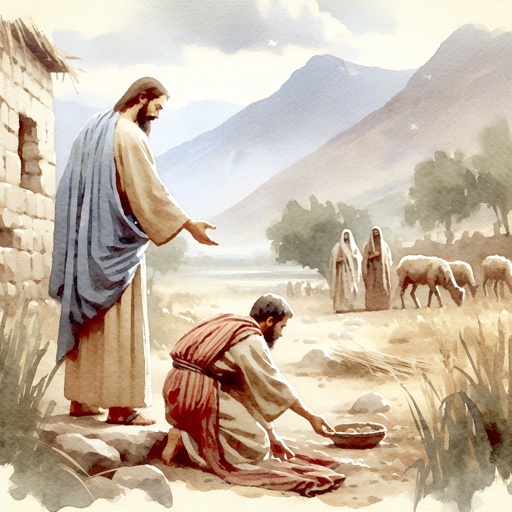
2 Timothy 1:7

2 Timothy 1:7

2 Timothy 1:7

2 Timothy 1:7