Standing Firm in the Face of Abandonment
"This thou knowest, that all they which are in Asia be turned away from me; of whom are Phygellus and Hermogenes." - 2 Timothy 1:15
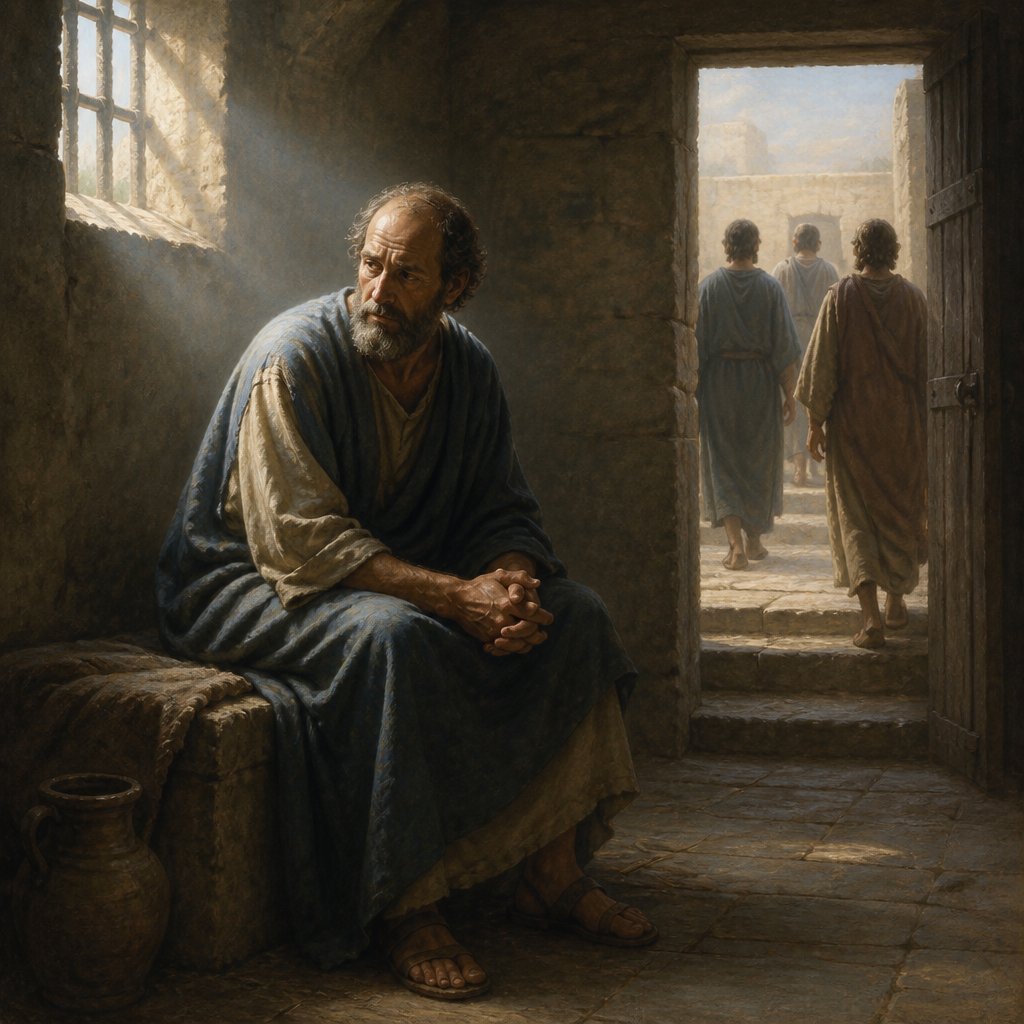
As Paul writes his second letter to Timothy, he grapples with profound feelings of loneliness and betrayal. The backdrop to 2 Timothy 1:15 reveals a challenging and painful reality for the Apostle Paul: "This thou knowest, that all they which are in Asia be turned away from me; of whom are Phygellus and Hermogenes."
In this verse, Paul highlights a grievous situation in his ministry, where he reflects that many of his companions and fellow workers in Asia have chosen to abandon him, particularly naming two men, Phygellus and Hermogenes. Their desertion seems to symbolize a broader trend of disloyalty among the believers in that region. This verse, steeped in personal sorrow, opens a window into the struggles faced by early Christians and by leaders trying to uphold their faith in difficult circumstances.
To dive deeper, we must first consider the context. Paul’s imprisonment in Rome marked a significant shift in his ministry. Instead of being the renowned missionary establishing churches and leading many to Christ, he was now confined, possibly awaiting trial and facing the uncertainty of his future. His dependence on the support of his fellow believers was paramount during this time; yet, some of those he distinguished as allies had turned away.
Paul’s words indicate the sheer pain of isolation. It’s conceivable that these individuals, perhaps fearing the repercussions of association with a condemned man, chose self-preservation over loyalty. We can also identify with this scenario in our lives—how often do we witness friends or companions choosing the path of convenience over the often-challenging call of faithfulness? In our commitments—be it personal, spiritual, or professional—there are moments when we may be left to stand alone or face ridicule.
Reflecting upon Paul’s experience reminds us that the journey of faith is often marked by trials and tribulations. Yet, what is most comforting is how Paul’s example encourages us to remain steadfast in our calling, even when others may waver. From his sorrow emerges resilience, and from his abandonment—an opportunity to draw closer to the One who never forsakes us.
The names Phygellus and Hermogenes serve as a warning and a reminder of our free will. As our physical families, friends, and communities waver, we must cling to the eternal nature of God’s promise and presence in our lives. The metaphor often used is that of a race, where perseverance is key. Just as athletes prepare for events with discipline and focus, Christians must also train themselves spiritually for the challenges that lie ahead.
In the face of adversity, especially when faced with betrayal or abandonment, we have the opportunity to reflect the character of Christ. Jesus Himself was abandoned by His closest friends in His most critical hour. In moments of desertion, He remained faithful to His mission, exemplifying the heart of the Father and providing the means to forgive and restore.
Moreover, the abandonment Paul experienced led him to a stronger reliance on God. Often, when the world closes its door and friends turn away, we find a greater intimacy with God—one where His presence becomes all the more evident, bringing peace and solace in tumultuous times. During our trials, we might be tempted to retreat into despair, but like Paul, we are called to rise and hold fast to our faith.
In conclusion, let us carry Paul’s lesson as we navigate through a world that may not always support our convictions. When facing isolation or disappointment, we should lift our eyes towards Jesus and draw strength from His unwavering support. His assurance that He will never leave us nor forsake us serves as our anchor, holding us firm through storms and shadows. As we encounter circumstances that mirror Paul’s plight, let us remember that standing firm in faith often bears the greatest witness to God’s sustaining power.
Want to reflect more on 2 Timothy 1:15?
Continue your spiritual journey with Bible Chat — an AI-powered tool for exploring God's Word through conversation. Ask questions, discover connections, and deepen your understanding.
Get Our Apps


2 Timothy 1:15 Artwork

2 Timothy 1:15 - "This thou knowest, that all they which are in Asia be turned away from me; of whom are Phygellus and Hermogenes."
"This thou knowest, that all they which are in Asia be turned away from me; of whom are Phygellus and Hermogenes." - 2 Timothy 1:15

2 Timothy 2:15

1 Timothy 2:15 - "Notwithstanding she shall be saved in childbearing, if they continue in faith and charity and holiness with sobriety."

2 Timothy 1:5 - "When I call to remembrance the unfeigned faith that is in thee, which dwelt first in thy grandmother Lois, and thy mother Eunice; and I am persuaded that in thee also."

1 Timothy 4:15

1 Timothy 3:15

2 Timothy 1:7

2 Timothy 1:7

2 Timothy 1:7

2 Timothy 1:7

2 Timothy 1:7

2 Timothy 1:7

2 Timothy 1:7

2 Timothy 1:7

2 Timothy 1:7

2 Timothy 1:7

2 Timothy 1:7

2 Timothy 1:7

2 Timothy 1:7

2 Timothy 1:7

2 Timothy 1:7

2 Timothy 1:7
2 Timothy 1:7

2 Timothy 1:7

2 Timothy 1:7

2 Timothy 1:7

2 Timothy 1:7

2 Timothy 1:7

2 Timothy 1:7