The Tragedy of Betrayal: Lessons from Rizpah's Story
"And Saul had a concubine, whose name was Rizpah, the daughter of Aiah: and Ish-bosheth said to Abner, Wherefore hast thou gone in unto my father's concubine?" - 2 Samuel 3:7
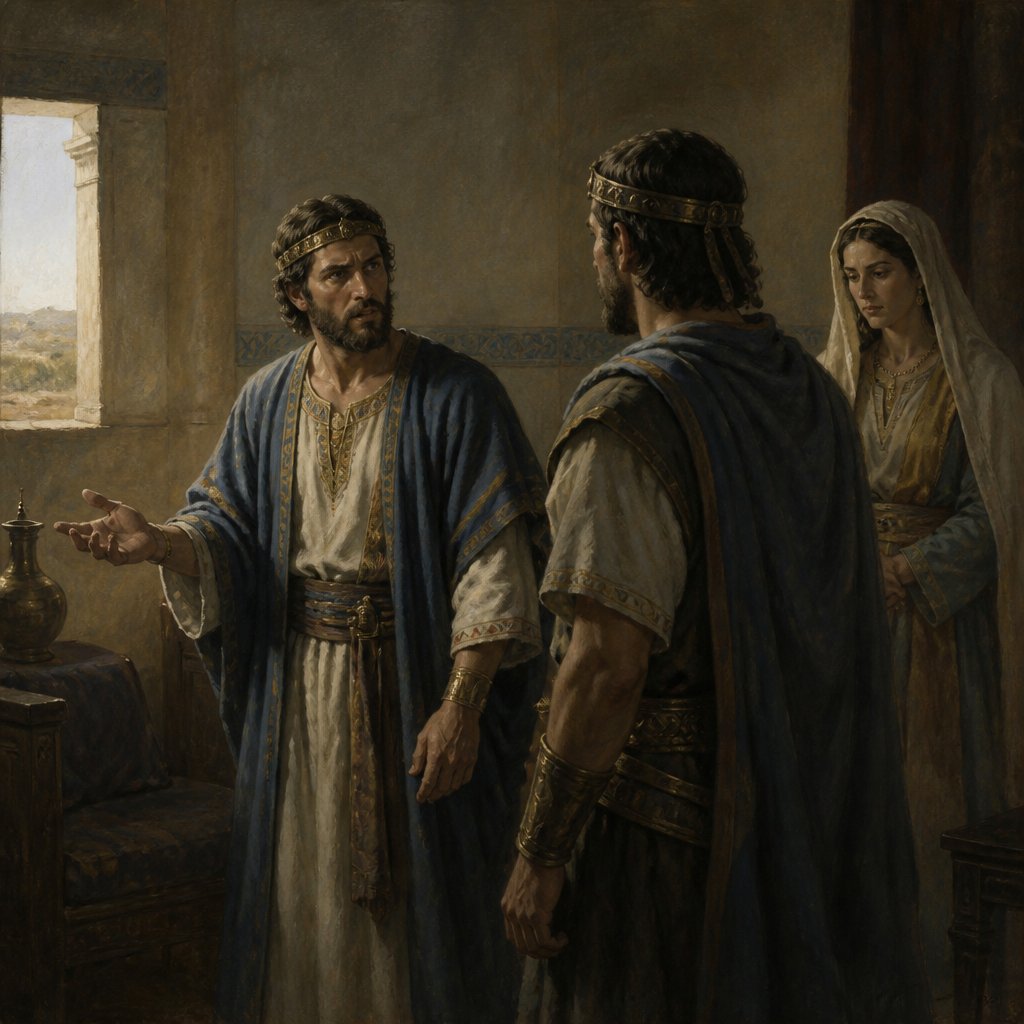
In the pages of 2 Samuel 3:7, we encounter a moment steeped in political intrigue and personal betrayal: "And Saul had a concubine, whose name was Rizpah, the daughter of Aiah: and Ish-bosheth said to Abner, Wherefore hast thou gone in unto my father's concubine?" This verse highlights not only the complex weave of relationships during a time of civil unrest in Israel but also the emotional and ethical implications of power struggles in human relationships.
To understand the weight of Ish-bosheth’s accusation against Abner, we must first grasp the cultural significance of a concubine in ancient Israel. Concubines were more than mere servants; they were considered a part of the family. They held a status that was serious and could complicate political and familial alliances. By taking Saul’s concubine, Abner was perceived to be asserting a claim over Saul’s legacy and power, a direct affront to Ish-bosheth’s authority as Saul’s son and rightful heir.
This moment illustrates the intense intrigue of leadership and the delicate balance of power. Ish-bosheth's reaction reveals his vulnerability—he is aware that with the death of Saul, the stability of his claim to the throne is tenuous at best. He senses his world unraveling, and rather than seeking reconciliation with Abner, who was a key military leader, Ish-bosheth chooses confrontation. This decision is not born from strength but from fear, and it ultimately leads to more chaos rather than resolution.
Rizpah, mentioned in the verse, is often left in the shadows of the narrative. Her name, however, symbolizes the struggles of many women in the biblical text who are caught in the crossfire of men's politics. Rizpah’s story, as we will see later, resonates with themes of loyalty and suffering. After the deaths of her sons, she camped at the rock where their bodies lay, refusing to let the birds or wild beasts feed on them until they were buried. Her steadfast dedication speaks volumes about maternal love and the extreme lengths one will go to for family, contrasting sharply with the political maneuvering of the men around her.
The query posed by Ish-bosheth to Abner raises a spiritual and moral question: How do we respond when our authority is challenged? Ish-bosheth’s reaction was one of accusation and suspicion, signaling a lack of trust. Abner’s actions were perhaps a miscalculated grab for power, but were also indicative of a broken alliance. In our own lives, we often face situations where our authority, whether in our homes, workplaces, or communities, is questioned. How do we handle those moments? Do we react in anger and defensiveness like Ish-bosheth, or do we seek understanding and reconciliation?
Furthermore, this narrative invites us to think deeply about our loyalties and commitments. In the pursuit of power or recognition, we should be continually cognizant of the relationships that are affected by our actions. As Christians, we're called to pursue love, integrity, and respect toward others, reflecting the character of Christ in our dealings.
The tragedy of Rizpah, Abner, and Ish-bosheth serves as a reminder that in times of division and strife, relationships should be prioritized over power plays. We are all prone to seeking our own advantage, yet the call of the Gospel challenges us to live differently—to seek unity and healing instead of division and despair. May we learn from the lives caught in conflict, striving to honor each other with love and respect, and to build bridges instead of walls.
Want to reflect more on 2 Samuel 3:7?
Continue your spiritual journey with Bible Chat — an AI-powered tool for exploring God's Word through conversation. Ask questions, discover connections, and deepen your understanding.
Get Our Apps


2 Samuel 3:7 Artwork

2 Samuel 3:7 - "And Saul had a concubine, whose name was Rizpah, the daughter of Aiah: and Ish-bosheth said to Abner, Wherefore hast thou gone in unto my father's concubine?"
"And Saul had a concubine, whose name was Rizpah, the daughter of Aiah: and Ish-bosheth said to Abner, Wherefore hast thou gone in unto my father's concubine?" - 2 Samuel 3:7

2 Samuel 7:3 - "And Nathan said to the king, Go, do all that is in thine heart; for the LORD is with thee."

1 Samuel 3:7 - "Now Samuel did not yet know the LORD, neither was the word of the LORD yet revealed unto him."
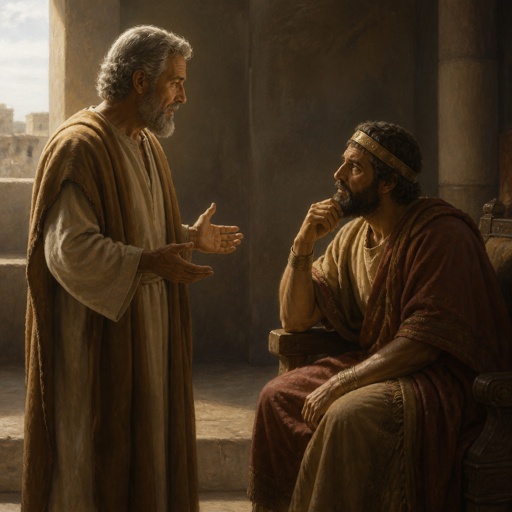
"And Nathan said to the king, Go, do all that is in thine heart; for the LORD is with thee." - 2 Samuel 7:3

2 samuel 9:7 fhdhdhdhhd

2 Samuel 7:1–29

2 Samuel 5:7 - "Nevertheless David took the strong hold of Zion: the same is the city of David."

2 Samuel 3:2 - "¶ And unto David were sons born in Hebron: and his firstborn was Amnon, of Ahinoam the Jezreelitess;"

2 Samuel 4:3 - "And the Beerothites fled to Gittaim, and were sojourners there until this day.)"

2 Samuel 7:4 - "¶ And it came to pass that night, that the word of the LORD came unto Nathan, saying,"

2 Samuel 3:4 - "And the fourth, Adonijah the son of Haggith; and the fifth, Shephatiah the son of Abital;"

2 Samuel 3:3 - "And his second, Chileab, of Abigail the wife of Nabal the Carmelite; and the third, Absalom the son of Maacah the daughter of Talmai king of Geshur;"

"Now Samuel did not yet know the LORD, neither was the word of the LORD yet revealed unto him." - 1 Samuel 3:7

2 Samuel 3:11 - "And he could not answer Abner a word again, because he feared him."

2 Samuel 10:7 - "And when David heard of it, he sent Joab, and all the host of the mighty men."

1 Samuel 2:7 - "The LORD maketh poor, and maketh rich: he bringeth low, and lifteth up."

2 Samuel 8:7 - "And David took the shields of gold that were on the servants of Hadadezer, and brought them to Jerusalem."

2 Samuel 17:7 - "And Hushai said unto Absalom, The counsel that Ahithophel hath given is not good at this time."

2 Samuel 3:33 - "And the king lamented over Abner, and said, Died Abner as a fool dieth?"

2 Samuel 3:5 - "And the sixth, Ithream, by Eglah David's wife. These were born to David in Hebron."

2 Samuel 7:2 - "That the king said unto Nathan the prophet, See now, I dwell in an house of cedar, but the ark of God dwelleth within curtains."

2 Samuel 2:3 - "And his men that were with him did David bring up, every man with his household: and they dwelt in the cities of Hebron."

2 Samuel 7:17 - "According to all these words, and according to all this vision, so did Nathan speak unto David."

2 Samuel 7:13 - "He shall build an house for my name, and I will stablish the throne of his kingdom for ever."

2 Thessalonians 3:6-7
![I Samuel 7:3 NKJV
[3] Then Samuel spoke to all the house of Israel, saying, “If you return to the Lord with all your hearts, then put away the foreign gods and the Ashtoreths from among you, and prepare your hearts for the Lord, and serve Him only; and He will deliver you from the hand of the Philistines.”](https://media.bible.art/a819cdf3-1a60-45ba-9530-7fc29d05ccec-thumbnail.jpg)
I Samuel 7:3 NKJV [3] Then Samuel spoke to all the house of Israel, saying, “If you return to the Lord with all your hearts, then put away the foreign gods and the Ashtoreths from among you, and prepare your hearts for the Lord, and serve Him only; and He will deliver you from the hand of the Philistines.”

2 Samuel 3:37 - "For all the people and all Israel understood that day that it was not of the king to slay Abner the son of Ner."

2 Samuel 7:20 - "And what can David say more unto thee? for thou, Lord GOD, knowest thy servant."

2 Samuel 3:15 - "And Ish-bosheth sent, and took her from her husband, even from Phaltiel the son of Laish."